Key Takeaways:
- Getting ready for an adventure or hike should (if done right) be fun. Learn, grow, push yourself, but remember to enjoy the trip preparation process!
- Start training ideally three to four months out, but taper in the final two to three weeks. That’s when we see the most pre-trip injuries.
- The mental game is often more important than getting fit.
- If you’re trekking at elevation, check that your travel insurance covers the highest point on your itinerary, and carry evacuation cover anywhere a helicopter is the only way out.
- Sort your visas well in advance and book your flights with a contingency day either side of your trip.
Learning how to prepare for a hiking adventure abroad involves getting four things ready at once: your body, your gear, your paperwork and your mind. It can be overwhelming at first, and the “scramble” leading up to the trip usually is real.
Your research hat is on, and while one tab is comparing sleeping bags, another is working out how much down loft your jacket needs. Worst of all, the training plan you’re still figuring out is forced around the overtime you’re putting in to prepare for the couple of weeks off work.
It can be overwhelming. No, really; wiser people than us have said more profound things about the moments before a big event, like “our greatest fears lie in anticipation” and “before anything else, preparation is the key to success”.
Luckily, we’ve organized treks abroad a fair share of times by now (hundreds, actually) and have more than just cliched quotes to share with you.
This is Epic Expeditions’ tested guide to getting ready for an international hiking trip (and most of it is useful for a big domestic adventure too). We wrote it to be the best and most straightforward free hiking prep bible online. It includes the same hiking preparation and adventure travel tips we rely on ourselves after close to a decade of running hiking trips abroad, and the same advice we give every client! Let’s get into it.
What’s Different From the Usual Hiking Trip
You probably already know how to prepare for a hiking trip at home. Fitness is obviously important either way, but the difference when preparing for an international hiking trip is that the viewpoint, summit, or pass you’re aiming for now comes with a visa application, up to two or three flights, and a foreign menu to read in order to refuel.
That’s why, when we share our info packs with our clients, they can be up to 16 pages long! They usually include notes on:
- Visas and permits. Some countries stamp you in at the airport, others want an online application weeks ahead, and a few, like Pakistan, ask for a letter of invitation from your tour operator.
- Getting there. The last flight into the mountains is often the least reliable, so a good itinerary will ALWAYS build in buffer days.
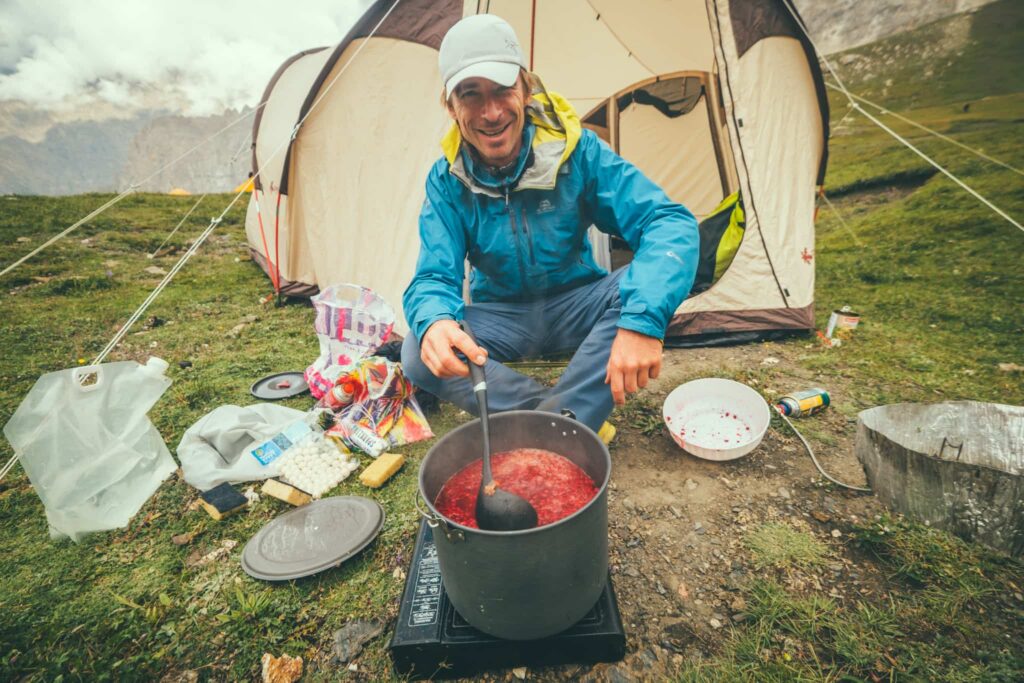
- Food. On a supported trek, camp cooks or teahouses feed you from local ingredients. Going independently, you’ll be shopping in markets where you can’t read the labels. Either way, pack a few snacks from home that you know your stomach (and taste buds) like.
- Water. It should come as no surprise that streams and taps in many foreign countries can carry all sorts of nasties that your stomach may not be used to. This is why a purifier bottle belongs in your pack.
- Money. Foreign cash, US dollars, credit cards, and ATM availability. All of this can vary by country, and usually thins out fast once you leave the city anywhere. Expect to carry cash in clean, small notes, plus tips for guides, cooks, and porters.
- Signal. On many treks you’ll be offline for days. A good operator carries a satellite phone or an inReach device; if you’re going it alone, bring your own.
- Culture. Dress codes, religion, and greetings can change from one valley to the next. Our guide to respecting local cultures covers the basics.
Choosing Your International Adventure
A good starting point if you’re still undecided is to ask yourself what you want out of the trip, and how far outside your comfort zone you’re happy to go. If reliable electricity, clean tap water and a warm bed in an insulated mountain hut are non-negotiable, you may not enjoy trekking to K2 Base Camp in Pakistan or through the Altai Mountains of Mongolia – and that’s okay.
Hot, salty yak milk in a nomad’s ger and glacier meltwater in your bottle aren’t everyone’s cup of tea.
Ask yourself these before you book*:
- Do you need a bed every night? Hiking destinations like Madeira and Cape Verde give you big days on the trail and a hotel at the end of them. If two weeks in a tent sounds like fun, the aforementioned K2 Base Camp and the Altai are great options.
- How high have you been? Never slept above 3,000 m (9,800 ft)? You should probably start lower, but it’s not essential.
- Tropical or alpine? These are very different treks. For example, PNG’s Kokoda Track is a hot, humid jungle while the Karakoram or Himalaya means freezing nights sleeping on a glacier. Both are challenging in their own ways.
- How far from a road are you happy to be? On the K2 Base Camp trek, it’s two weeks. On Madeira, it’s a short drive.
- How adventurous is your stomach? Remote trips mean local food cooked in camp, and the further out you go, the less choice you get.
- Do crowds bother you? Famous trails like the Tour du Mont Blanc, or mountains like Kilimanjaro, get incredibly busy. Our destination dupes guide is good reading to find quieter alternatives.
If most of your answers lean toward comfort, a hut-to-hut route in the Swiss Alps or a lodge-based trip through a US national park will treat you well.
That being said, we’ve found a bit more discomfort usually results in the best memories, with the fewest people to have to share the trail with. As author Neale Donald Walsch put it, “Life begins at the end of your comfort zone.”
More inspiration: our guides to Central Asia and the best multi-day hikes in Africa are a good place to start.

*Note: We’ve given examples from real trips that we run, but the options don’t end there.
Understanding What You’re Getting Into
Already booked? Here’s some simple advice from our founder Chris in one line:
“Read the information provided, read the packing list, get in shape.”
Whoever you travel with, the pre-trip pack is your best preview of the trek. Read it once when you book, then again a month out and focus extra attention on these points:
- The biggest day. Consider the average, but really focus on the longest day in hours, distance, and elevation gain, then compare it with the biggest day you’ve done at home. The goal should be to be able to do this, then get up and do it again tomorrow.
- Highest point and highest sleeping altitude. These shape your acclimatization schedule and decide what your insurance needs to cover.
- Who carries what. Check the porter or luggage allowance, if any.
- What’s included, and what isn’t. Hotel nights before day one, park fees, tips, and gear rental are the usual gaps that people miss.
- Weather by altitude. A warm city and a freezing high camp can sit on the same itinerary; you’ll usually need to pack for both.
- Deadlines. Medical forms, visa letters, passport copies, and final payments all have due dates, usually a couple of months out. If you’re doing this all yourself, give yourself more time, and do these first.
Oh, and read the less glamorous bits too to help set your expectations of what reality may look like using a high-altitude toilet!
Getting Physically Prepared
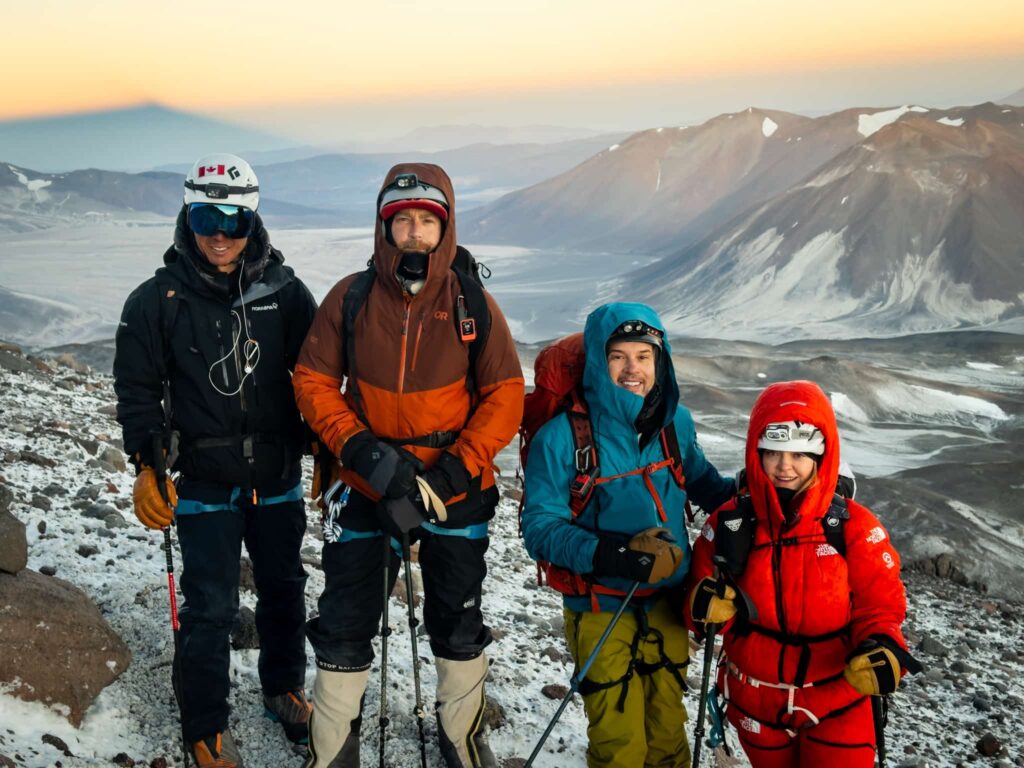
Hiking and fitness go hand in hand, and simply, training for hiking is hiking. The gym helps, but there isn’t a machine in the world that gets your legs ready for a full day of rocky, uneven trail quite like the trail itself.
A good target for most multi-day treks is to be able to hike 5 to 8 hours, covering 15 to 18 km (9 to 11 miles) with 1,000 m (3,300 ft) of elevation gain, and finish tired but ready to go again the next day. Start building toward it three to four months out. Our trekking fitness guide has a full 16-week plan to learn how to train for a long hike, but these are the foundations:
- Hike, then hike again. Turn your weekends into back-to-backs: a long hike on Saturday and another on Sunday, so your body learns what day two feels like. Endurance beats speed every time.
- Carry weight. Train with the pack you’ll actually be carrying, and add a few kilos as the weeks go on.
- Find a hill, or fake one. Live somewhere flat? Stairs, a StairMaster or a treadmill on full incline will do the job.
- Strength twice a week. Squats, lunges, step-downs, and calf raises protect your knees on long descents, which is where more injuries happen. Pair them with good hiking technique on the trail.
IMPORTANT: Fitness doesn’t lower your risk of altitude sickness, and there’s no way to acclimatize at sea level. Fit people often get caught out because they go up too fast. A slow itinerary with acclimatization days is what protects you.
Taper before you go
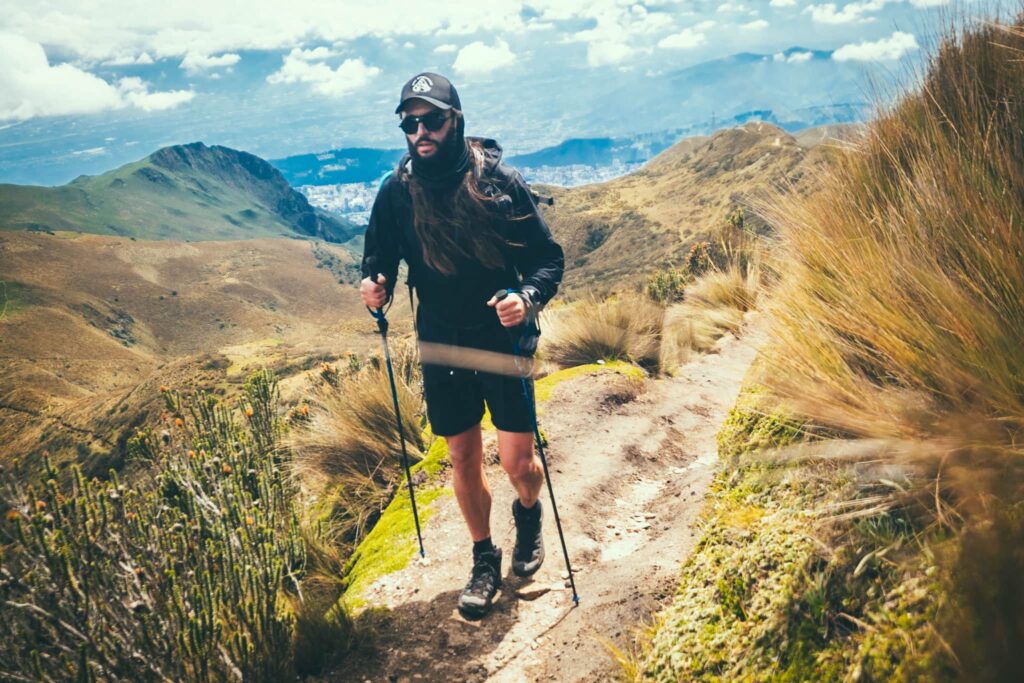
Every season, on almost every trip we run, someone pulls out in the final weeks because they hurt themselves playing hockey, ice skating, running, or even stretching. It’s a heartbreaking way to miss the trip of your life, and it’s usually avoidable.
At the peak of your training, your body is at its most stressed, and the excitement and last-minute admin wear you down too, so injuries come easier. We know you’re enthusiastic people, but it’s essential to pull back for the final two to three weeks with shorter hikes and halt all new sports. That means no more football, hockey, boxing, big wave surfing, or bog snorkeling.
Olympic sprinters and pro MMA fighters taper before a big event in this exact way, and the discipline applies to a light hiking holiday as much as a high-altitude expedition.
Assembling the Right Gear and Travel Items
If we’re being honest, providing an in-depth guide about every item you may need for every type of international hiking trip would be beyond the scope of this blog post. Luckily, we’ve published a lot of other great guides.
Some general advice, though: your budget only stretches so far, and great outdoor gear is expensive. Spend it on your boots, sleeping bag, and sleeping pad, which are all worth investing more in. Everything else can be mid-range or borrowed.
Boots and feet
Remember to ALWAYS try boots on in person with the socks you’ll trek in, then put at least 50 miles (80 km) on them before you fly. Our boot selector narrows down the options, and if your trip crosses a glacier, read up on mountaineering boots first (you may need two types of boots).
Then look after what’s inside them with our hiking foot care tips.

Layers
One very heavy multi-layer jacket is a classic first-timer mistake. Layer, layer, layer.
A merino base layer, a fleece, a mid-weight down jacket, and a waterproof shell cover far more conditions, and you can add or drop them as the weather changes. Our guides to choosing an expedition jacket and hiking in the cold go layer by layer.
Sleep system
Buy a sleeping bag for the coldest night on your itinerary and go by its comfort rating, not the extreme. Your pad’s R-value matters just as much, because cold ground pulls heat out of you all night.
Water and sun
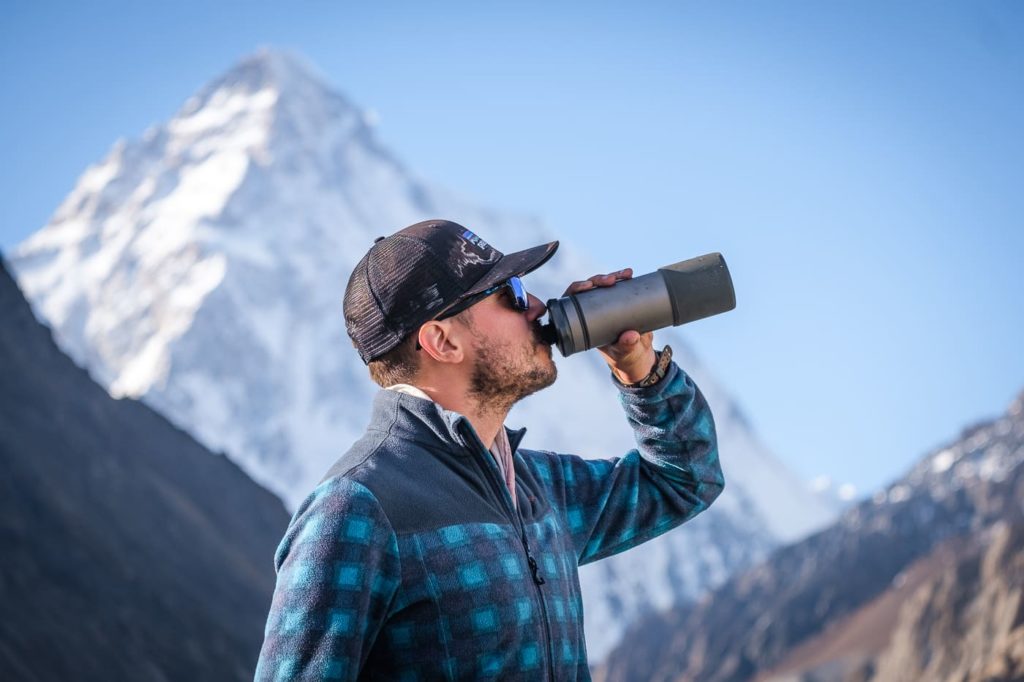
A filter bottle like the one in our GRAYL GeoPress review is something we pack on every expedition and will sort out the water question anywhere there is some.
At altitude, the sun needs the same respect: two pairs of sunglasses, a sun hoodie, Zinc-based sunscreen, and more lip balm than you think you may need.
Travel items and tech
Pack a power bank, plug adapters, printed copies of your passport and insurance, a headlamp, and a small first-aid kit with your own meds. Bringing a camera? Here’s our trekking camera gear setup.
And remember: test it all
Our info packs say it in capitals: TEST ALL OF YOUR PERSONAL GEAR. A training hike is a much better place to find a broken zip than a high camp!
Travel-Related Logistics: Visas, Airlines, Insurance
Ahh, the dreaded paperwork section. Yes, it is the least exciting part of trip prep, but it’s the part most likely to stop you at an airport if you get it wrong.
Visas and passports
Check your passport first. For instance, Nepal, Pakistan, Peru, and Uganda, among plenty of others, want at least six months of validity left when you arrive, plus blank pages for stamps.
Then check the visa rules. Every single country has different rules.
The best source is almost always the destination’s official government site, since they change often. Depending on your passport, often enough, you won’t have to do anything at all. But sometimes you do, and in some cases it can take a while: Papua New Guinea’s eVisa quotes 10 working days!
US travelers can also register their trip with the State Department’s free STEP program.

Flights and baggage
Remember your contingency days. Aim to land at least a day before the trip starts, so a late connection or lost bag doesn’t ruin your trip. If you’re arriving directly by air in a place that is already exceptionally high up, like La Paz, be prepared for acclimation.
Domestic flights often have tighter baggage limits than your long-haul ticket. A good tip to reduce check-in weight is to wear your boots on the plane.
Travel insurance and evacuation
Most trekkers need two things: a travel insurance policy that pays the hospital, and an evacuation membership that gets you off the mountain.
The most important thing to check is the policy’s altitude cap against your highest point, because many plans stop at 4,500 m and even planning to go above the cap can void your entire cover. According to the CDC, a medical evacuation from a remote area can cost more than $250,000, depending on the country. In our experience, a helicopter out of the Karakoram can cost as much as $25,000 USD.
We require insurance on every trip we run, and rescue cover on some trips including Pakistan, Nepal and Kokoda. Our trekking travel insurance guide compares the options.
Health and vaccinations
This one’s on you and your doc. But we recommend consulting your doctor at least a month before you leave to give enough room for vaccinations, malaria tablets where you may need them, and a chat about altitude medication. Bring enough of your own meds to cover the whole trip, plus a few days’ spare.
Mental Preparation is Just as Important
Our founder Chris reckons half of the preparation, and half the experience of a big trek, is the mental game. Trekking tests your mindset at least as much as your fitness. And the good news is that your head can be trained just like your legs.
Do your mental pushups
That’s what we call doing slightly miserable things on purpose before the trip. Train in the rain, head out when you’d rather stay in bed, and finish the hike when you’re tired. Every time you push through at home, the trek abroad gets a little easier.

Hike your own hike
Someone in the group will be faster than you, and someone will be slower. Neither matters. Altitude doesn’t care how fit you are, and trekking in a group should never be a race. Going at a reasonable (not rushed) pace and vocalizing your comfort levels is encouraged.
Get comfortable being offline
Days without signal, the same camp food, and a shared tent are the parts people underestimate. Tie up loose ends at home before you leave, tell people you’ll be out of range, and let yourself enjoy the quiet.
Expect the plan to change
If you take anything from this section, let it be this. Weather closes passes, flights get canceled, and a summit day can be called off altogether. That’s just the reality of the mountains. If you treat the itinerary as what happens if everything goes right, you’ll enjoy the trip a lot more when it doesn’t.
The same stoic mindset works well beyond hiking, and we encourage extending this thinking to other events in your life. Trekking has taught us that rushing to label things out of our control as strictly good or bad only creates unnecessary highs and lows. Instead, being open to the possibilities is a freeing feeling. In fact, if you look back, we’d bet some of your fondest memories likely started out as something going wrong – this is why they call it Type 2 fun!
Nervous already? That’s normal. The thought of doing something scary is often more intimidating than actually doing it. For more on the good that time on the trail can do for your mindset, read our post on hiking and mental health.

Are You Ready for an International Adventure?
If you can tick most of these off, you’re ready:
- You can hike your trip’s biggest day, then get up and do it again.
- Your boots have at least 50 miles on them, and you’ve tested every piece of gear.
- Your passport, visa, and insurance (with the right altitude cap) are sorted.
- You’ve read the pre-trip pack twice and know what is and isn’t included.
- Your flight home leaves after the contingency day.
- You’ve tapered, and you’re more excited than nervous.
Read the reviews on any of our trip pages, and you’ll see the same phrase more than once: the best trip of their life. We believe that comes from leading people to far-flung places that others overlook. In the Karakoram, the Altai, or Kyrgyzstan’s Karavshin Valley, there are no queues at the viewpoints, so nearly everything is new, from a Balti music session with the porters after dinner at Paiju to a night with eagle hunters outside Ölgii.
A hiking trip abroad usually means a small group of strangers from all over the world, all there for the same reason: to push themselves, experience new things, and reach new heights. Most of them leave as friends for life.
When you’re ready to pick your next adventure, our trip calendar has every departure we’re running. Happy trekking, and we’ll see you out there.