Take a look at our newest adventure: hiking in Cape Verde!
DIFFICULTY: Easy
MAX ALTITUDE: 2000 meters
TOUR DURATION: 7 days
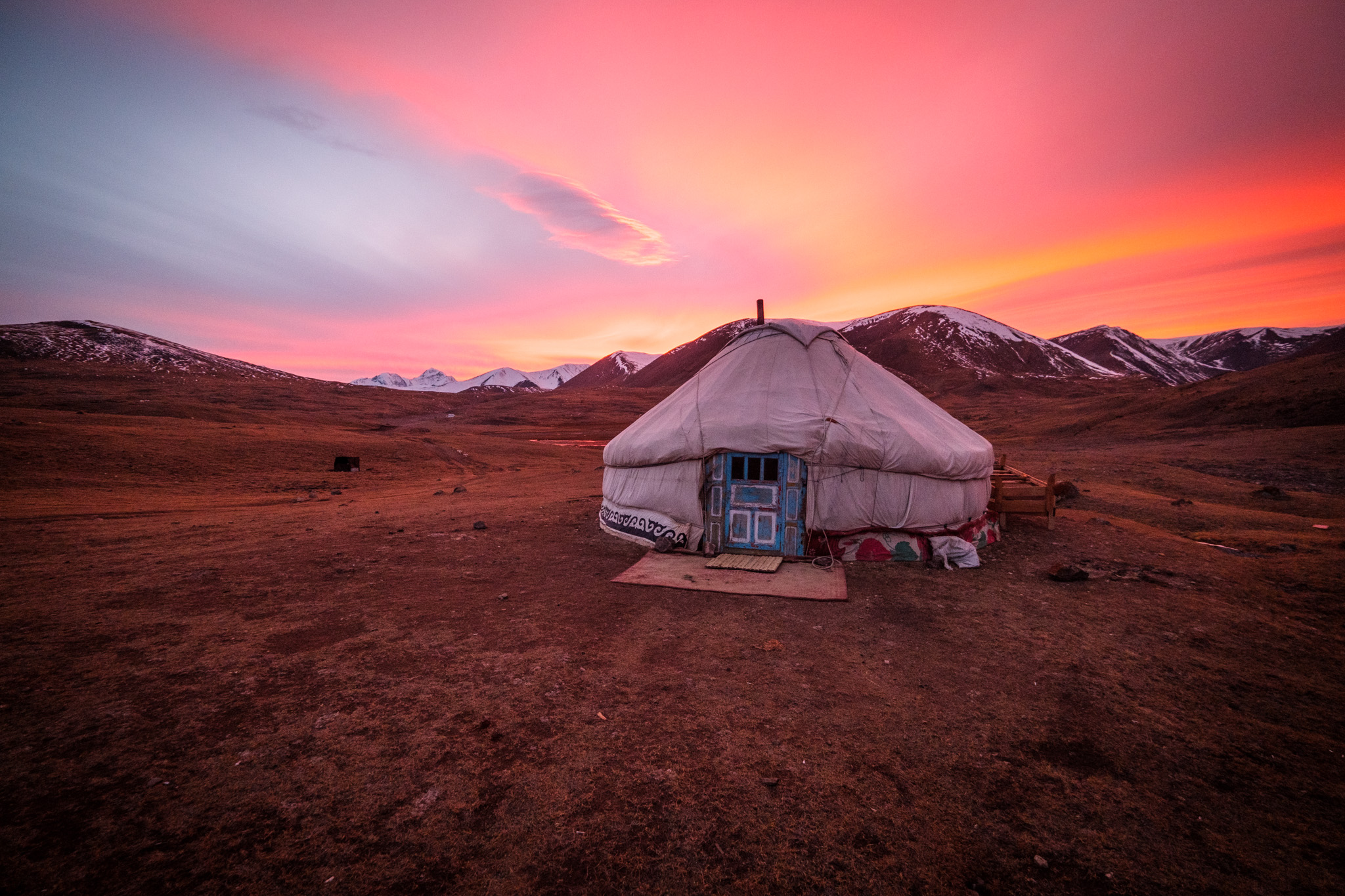
LODGING: Hotels and Yurts
GROUP SIZE: 10-15 people
Epic Expeditions is proud to be partnering with renowned photographer and explorer Chad Brown to bring a new cinematic eye and expedition‑honed expertise to his next workshop: Western Mongolia — home of the legendary Kazakh Eagle Hunters, the Altai Mountains, and a living nomadic heritage that has endured for centuries.
Designed for photographers, world travelers, and lovers of raw, wild adventure, this immersive, photographic Mongolia itinerary drops you straight into a side of the country few ever witness.
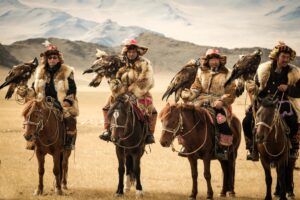
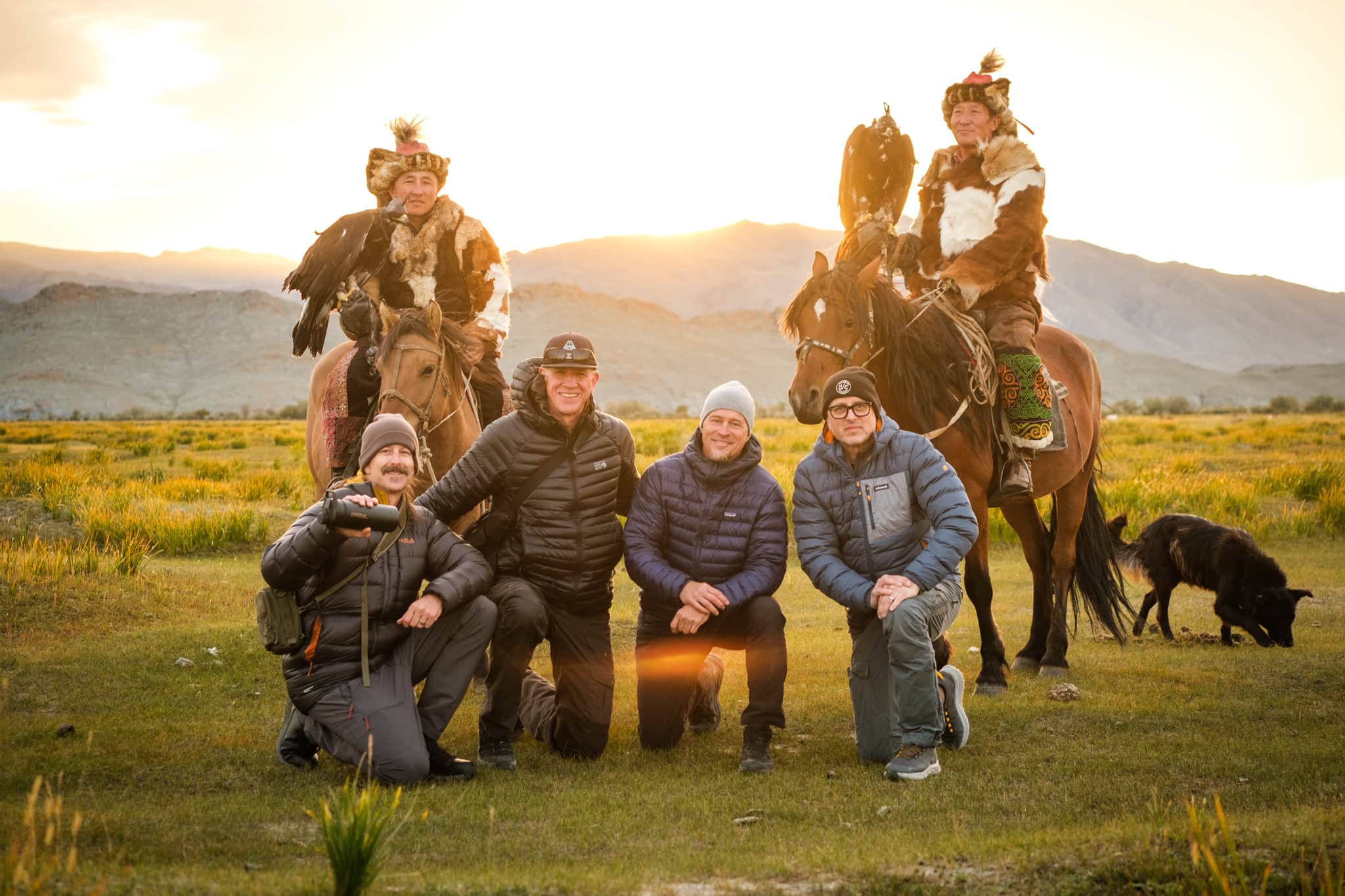
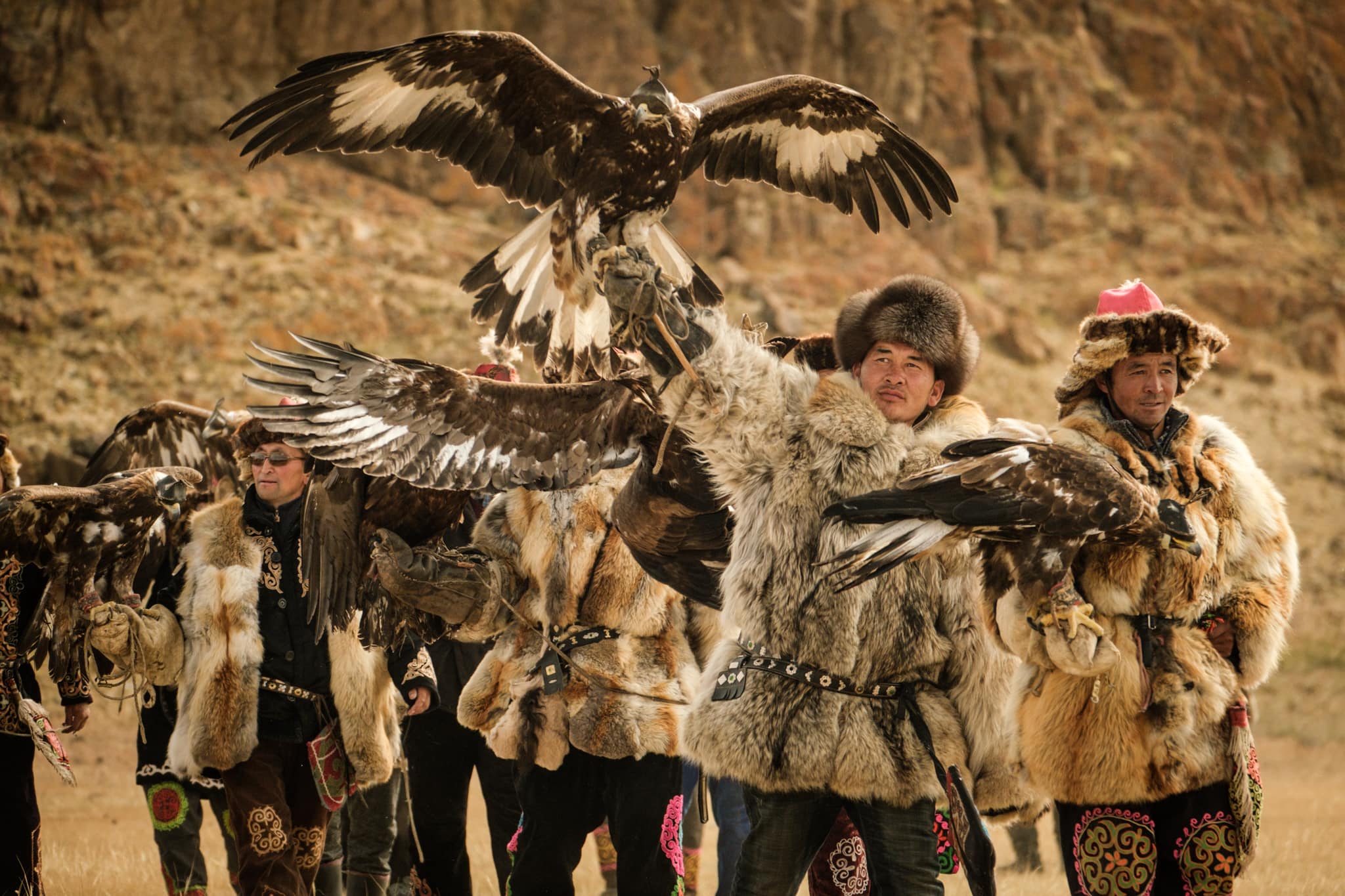
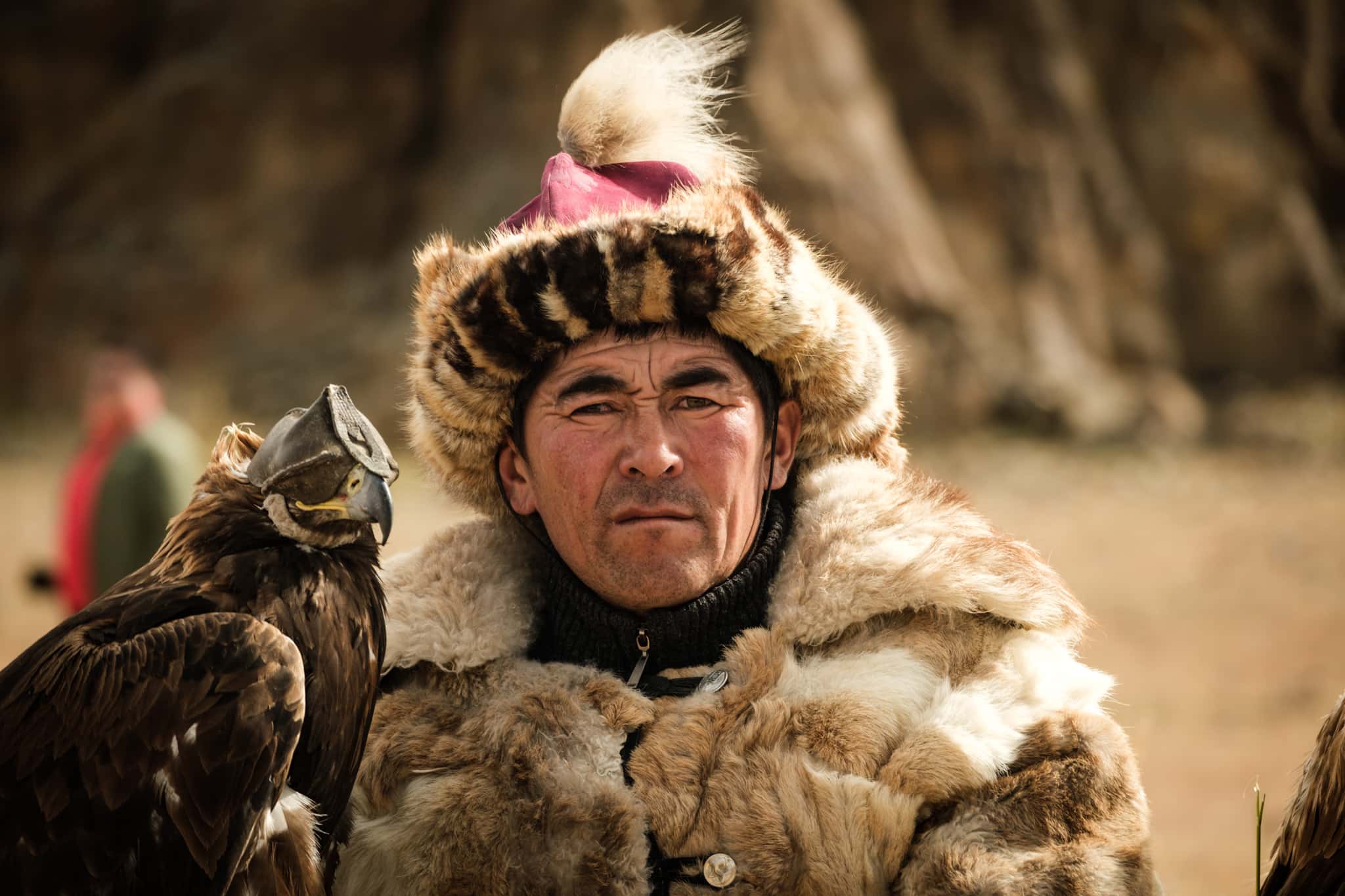
Participants will live alongside a Kazakh family who keep the ancient tradition of hunting with Golden Eagles alive, attend a private Golden Eagle Festival, and join Nauryz: the spring equinox celebration marking the Persian New Year in this remote corner of the world.
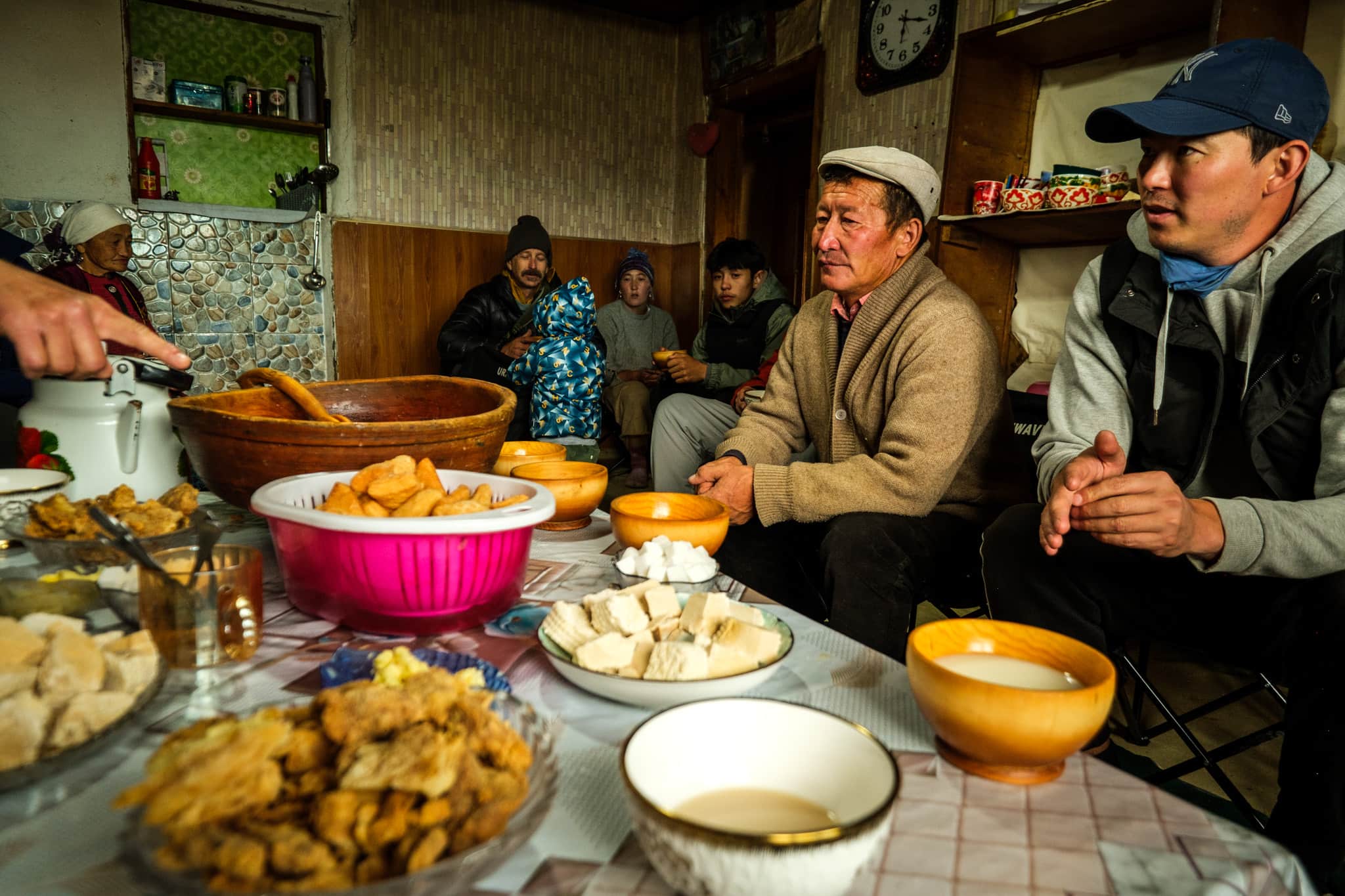
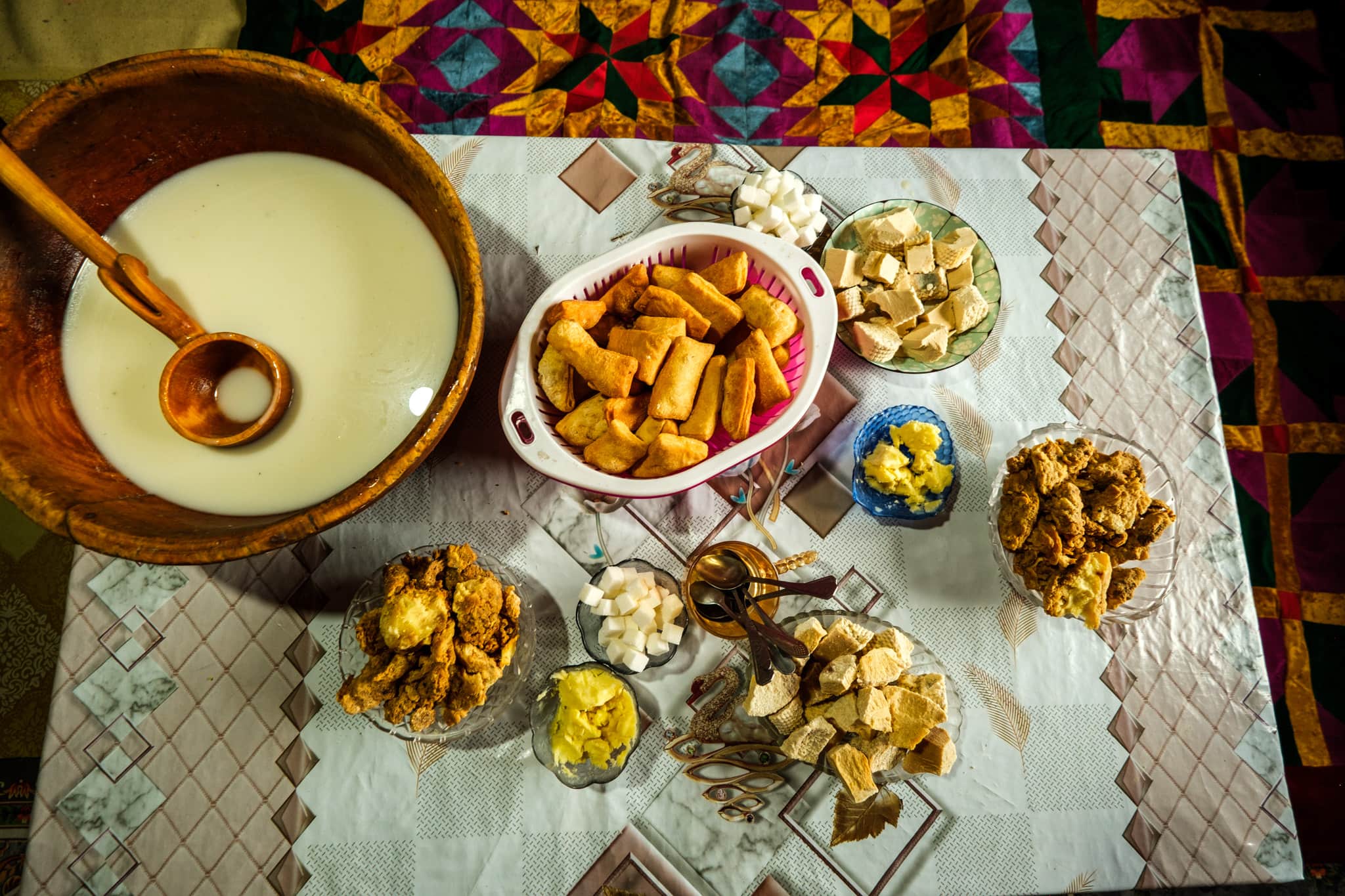
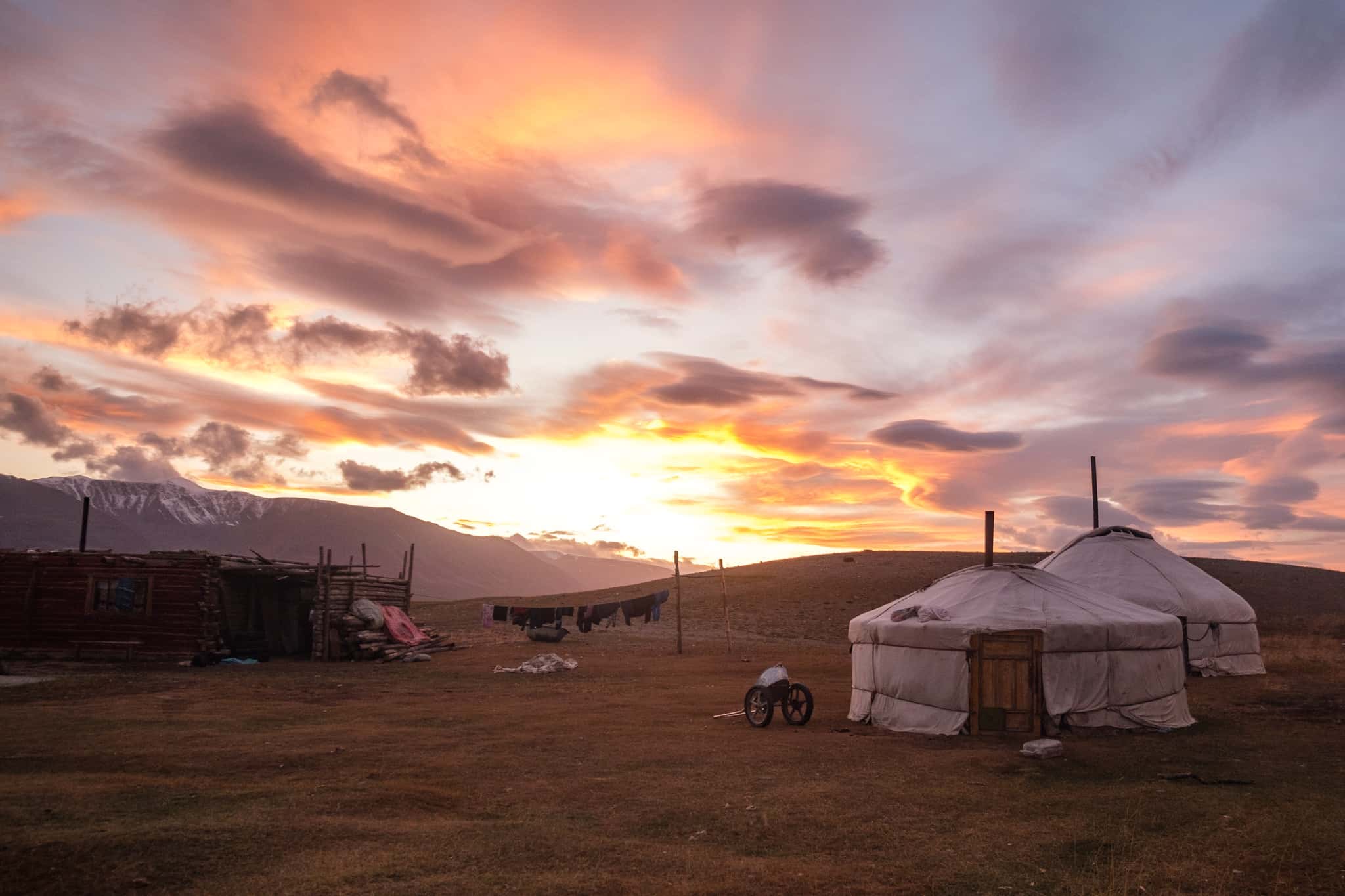
You’ll sleep in Kazakh‑style yurts, share meals with local families, and photograph the rhythms of daily life on the steppe. This workshop blends technical mastery, cultural immersion, and storytelling craft. With Chad at the helm, you’ll be guided to create images with soul, intention, and grit.
This Mongolia tour is for you if you want to experience…



Dates | Places | Deposit | Full |
|---|---|---|---|
| March 16th–23rd, 2027 | $600 | $4000 |
Whether you’re just curious about this trip or are ready to make a deposit, we’re here for you.
To submit an inquiry or make a trip deposit, please fill out and submit the form below. Or send us an email to arrange a call with our adventure staff to join and learn more about this Epic adventure in Mongolia.
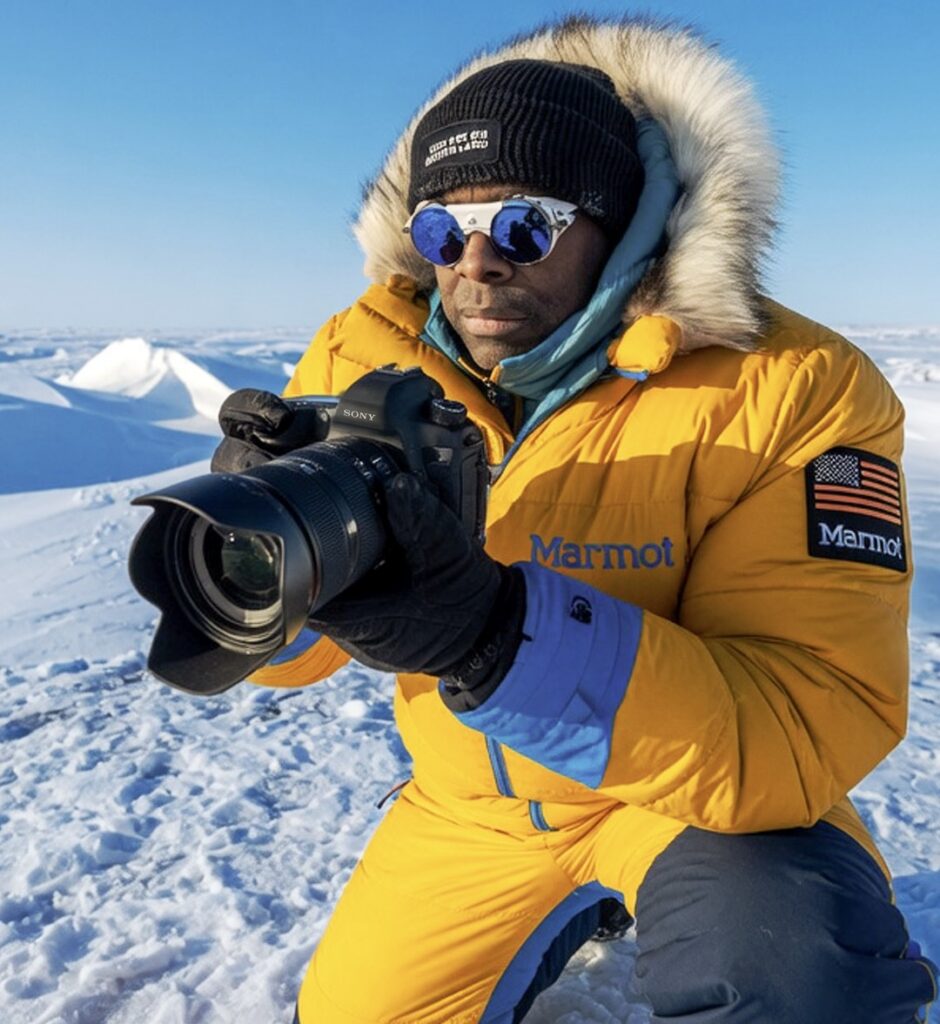
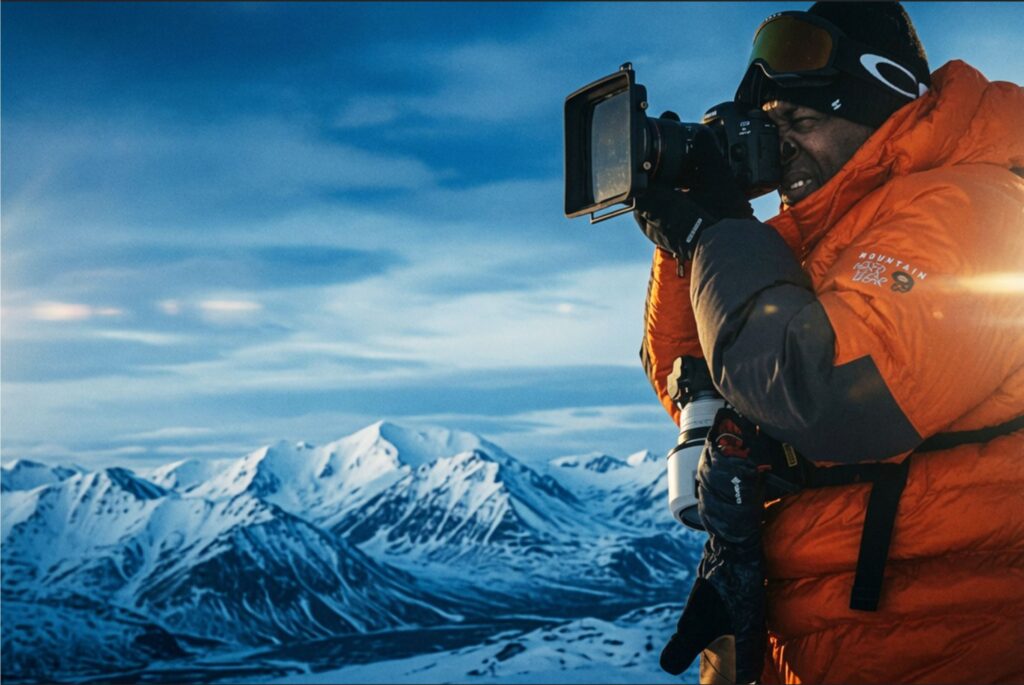
Chad Brown is an Arctic explorer, award‑winning filmmaker, and expedition photographer whose work lives at the intersection of wild landscapes, human resilience, and cultural storytelling. A decorated U.S. Navy veteran and one of the few African Americans licensed by U.S. Fish & Wildlife to guide in the Arctic Circle, Chad has built a career leading teams through some of the most remote and unforgiving environments on Earth.
His photography and film work span the circumpolar North, where he documents Indigenous communities, wildlife migrations, and the raw emotional truth of life in extreme conditions. As the founder of Love Is King, Chad leads justice‑driven expeditions that open doors for underrepresented voices in outdoor exploration. His leadership style is field‑tested, culturally grounded, and rooted in deep respect for the people and places he works with.
We have our first team briefing, introductions, and gear checks in the afternoon at the hotel with your Epic trip leader.
The rest of the day is spent preparing for our departure the following morning to Western Mongolia via a domestic flight.
In the evening, we will share dinner as a team at a nice restaurant in Ulaanbaatar. Tomorrow, we are headed to the mountains, where the gateway to our adventure awaits.
Ulgii is the highest aimag (province) in Mongolia and is primarily located in the Mongolian Altai mountain region. The aimag is famous for its traditional hunting method using trained golden eagles, and an estimated 80% of the world’s eagle hunters reside here.
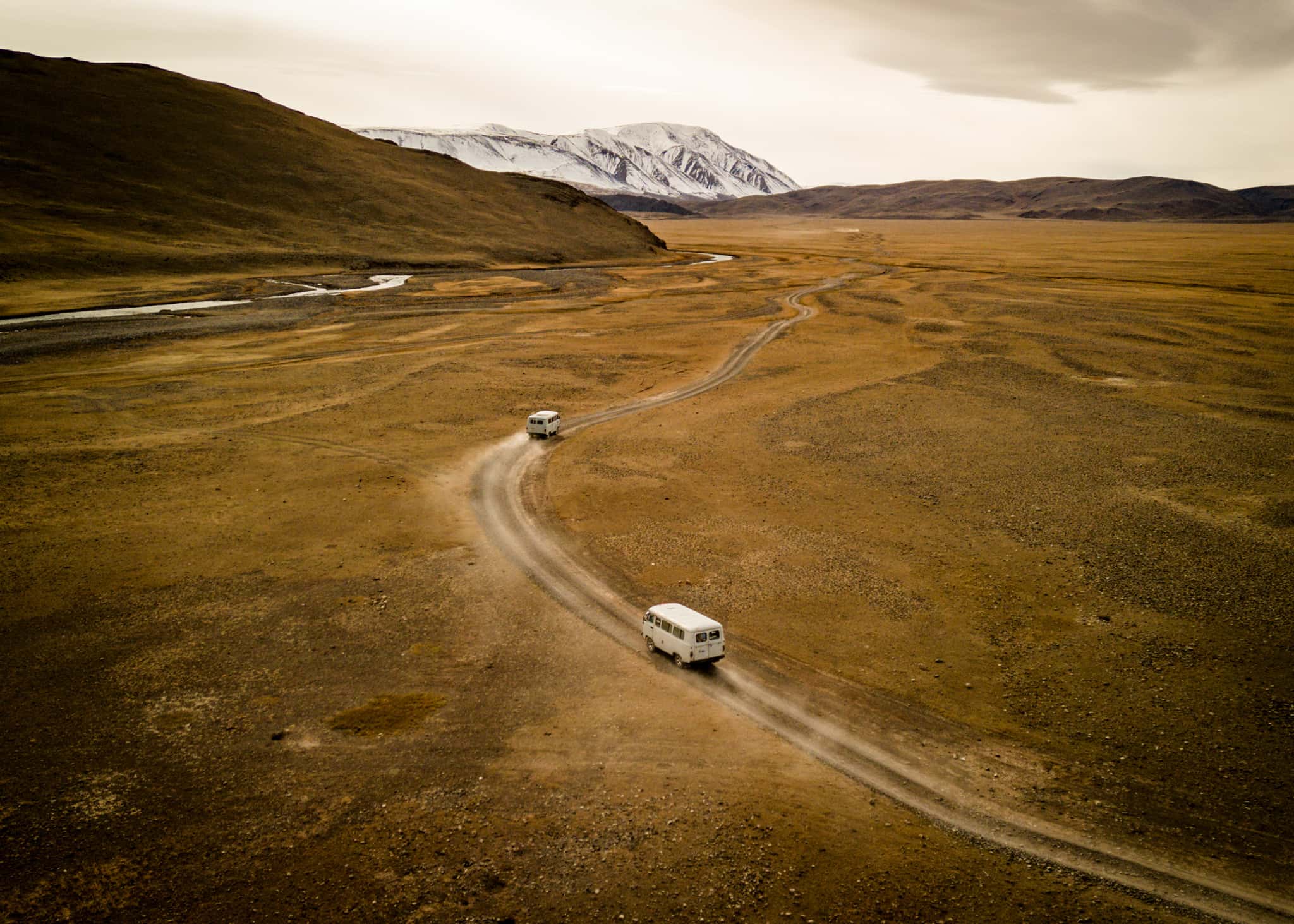
At the local airport, we will be greeted by one of our representatives, including a driver, an English-speaking guide, and a cook. We will drive from the airport to the small community of Ulaankhus.
In this river valley, our host, Kazakh eagle hunter Bashakhan, and his family have their cozy winter house, where you will be warmly welcomed. Tonight, we will enjoy dinner with the family.
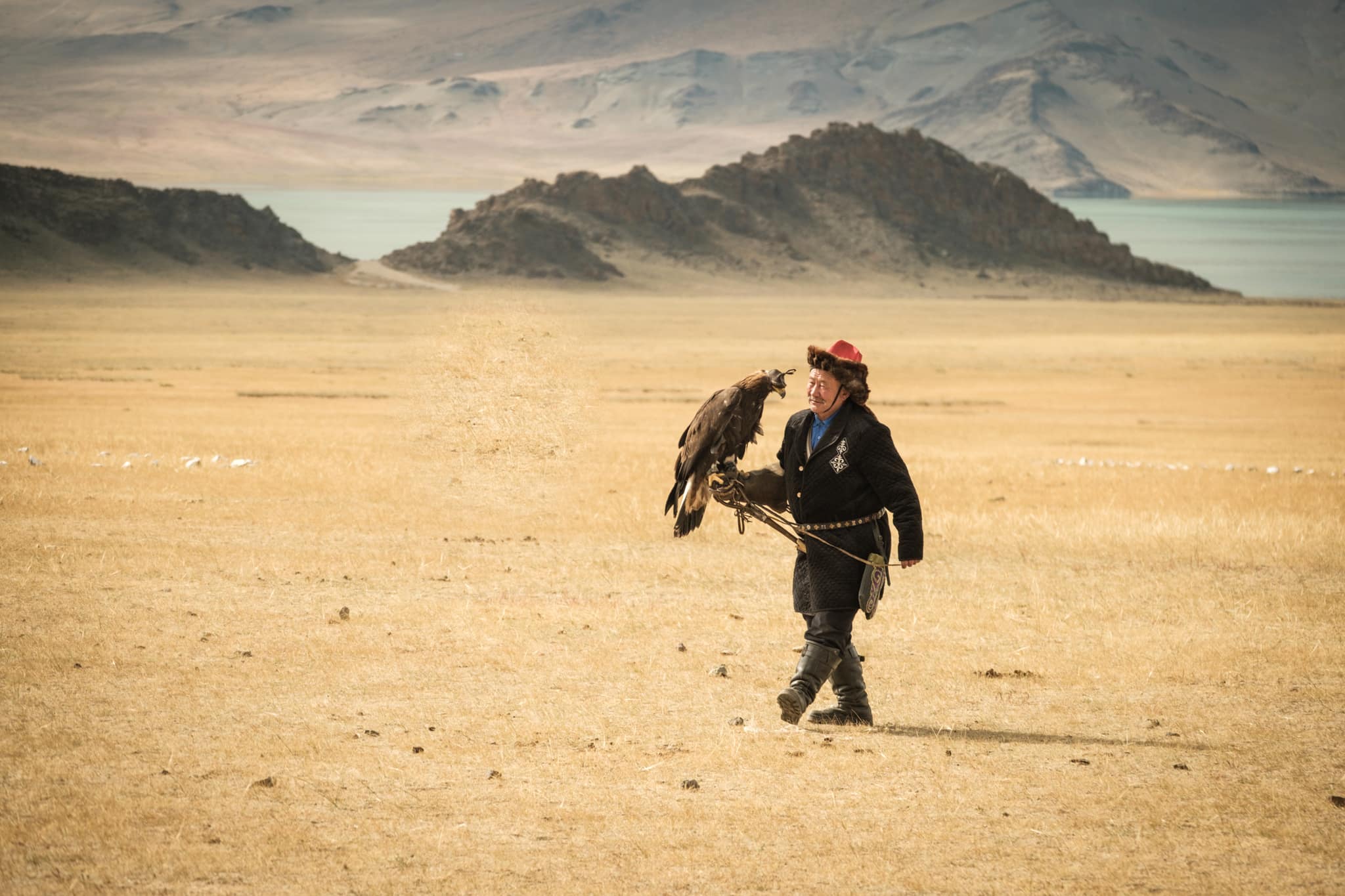
After having breakfast, our host will show us his magnificent golden eagles and provide some information about the ancient eagle hunting traditions in the western part of the Mongolian Altai. After that, we meet with our loyal steeds (Mongolian horses), saddle up, and ride into the mountains, following the eagle hunter.
Once we reach the top of the mountain, the eagle hunter will begin a demonstration. Another team member will try to flush out the eagle’s prey by chasing it toward the hill where the eagle hunter and I will be located. The eagle will be released once it sees its prey, and the hunter will then let the eagle swoop down the mountain to catch it.
The main goal for the day is also for you to get in the swing of the photography element of this trip. There will be several practical photo workshops going on throughout the day, to help you catch your “bucket list shots” during this incredible experience.
Today is another full day dedicated to the full-on experience of hunting with the Golden Eagles with the local family and photographing it all.,
Since this is a real hunt in a wild environment, the scenes and hunts will take time to unfold. Be prepared to ride horses and take out those 400 mm lenses as the action unfolds.
We say our goodbyes to the Eagler Hunter family and head back to Olgii to kick off the next phase of this expedition: two pretty badass cultural festivals with a unique Mongolian flavor all their own.
While Nauryz is not exclusively a Mongolian festival, it is celebrated by certain ethnic groups within the country, particularly the Kazakh and Tuvan communities. The festival provides a unique opportunity to experience their vibrant traditions, cultural performances, and joyful celebrations.
We will experience the Nauryz Festival in the town of Olgii, where the majority of inhabitants are ethnic Kazakh-speaking people. The event takes place in the central square of the town.
Following dinner, we will then head to our accommodation to clean up and get some rest, since tomorrow, the plan is to get back after it!
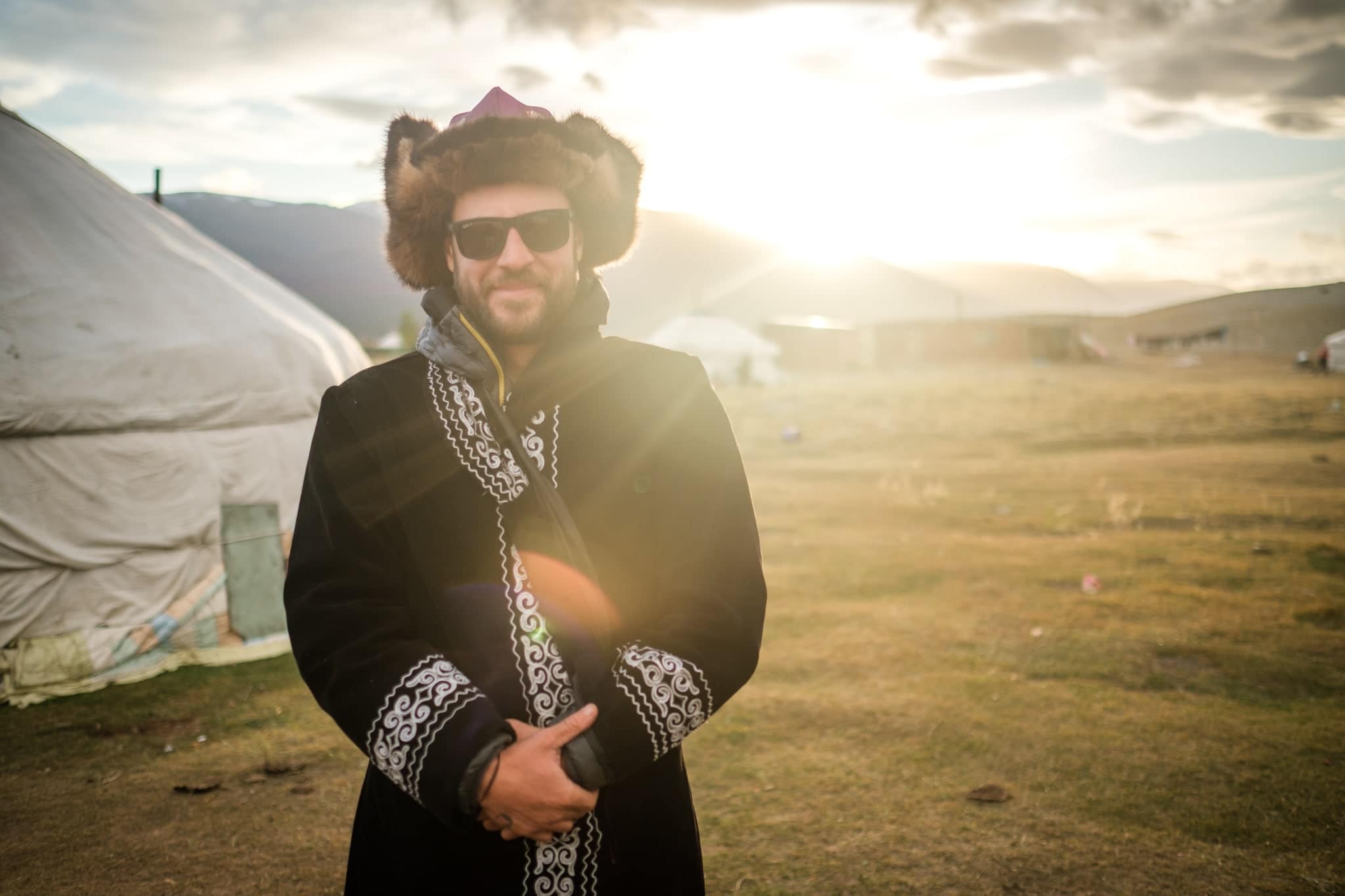
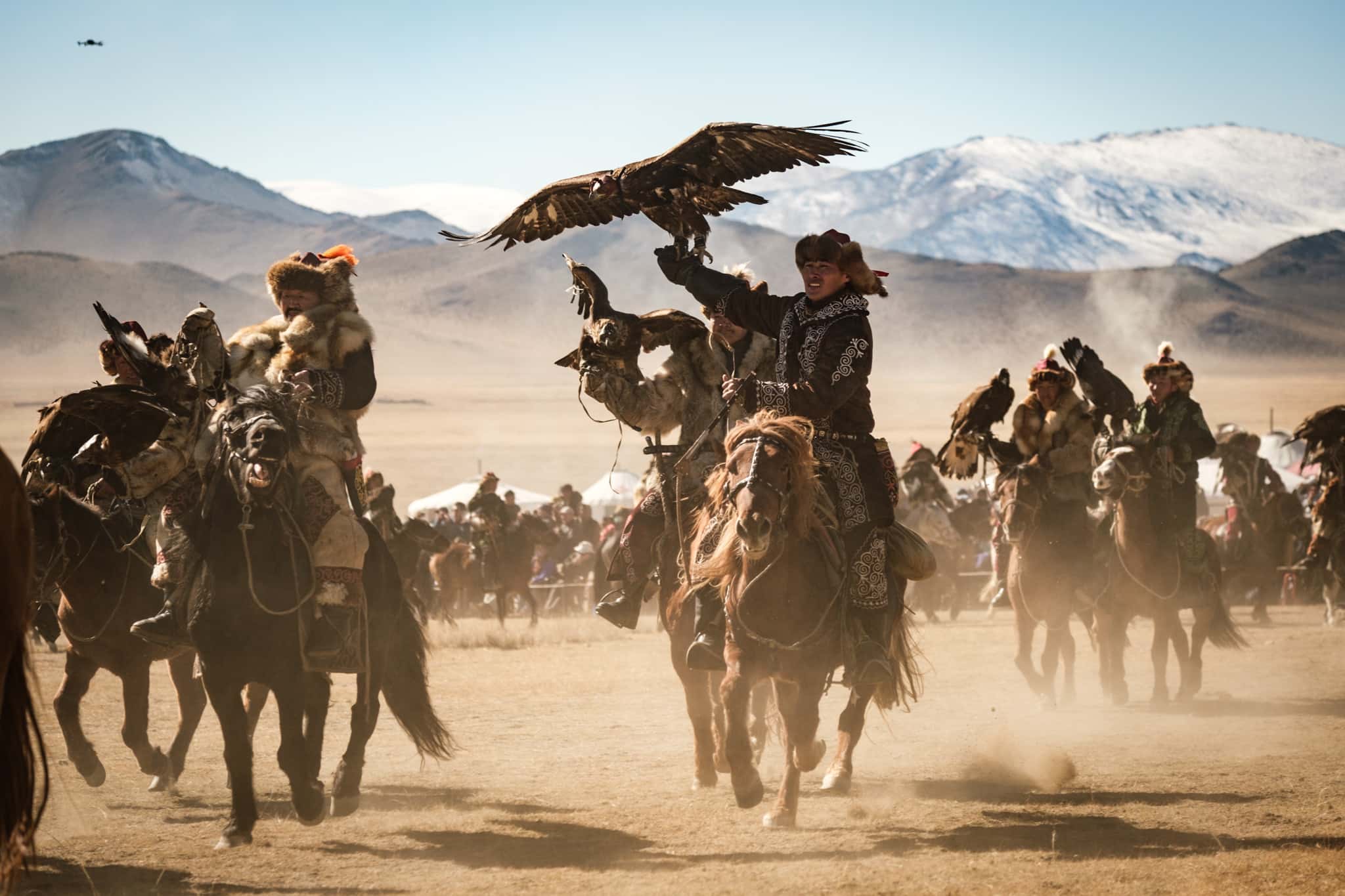
Early in the morning, we head to Sagsai village, where the festival takes place. It begins with an opening parade featuring 40 to 50 well-dressed eagle hunters riding horses and holding their eagles on their arms. Many of the eagle hunters travel from far away, bringing their eagles with them on horseback.
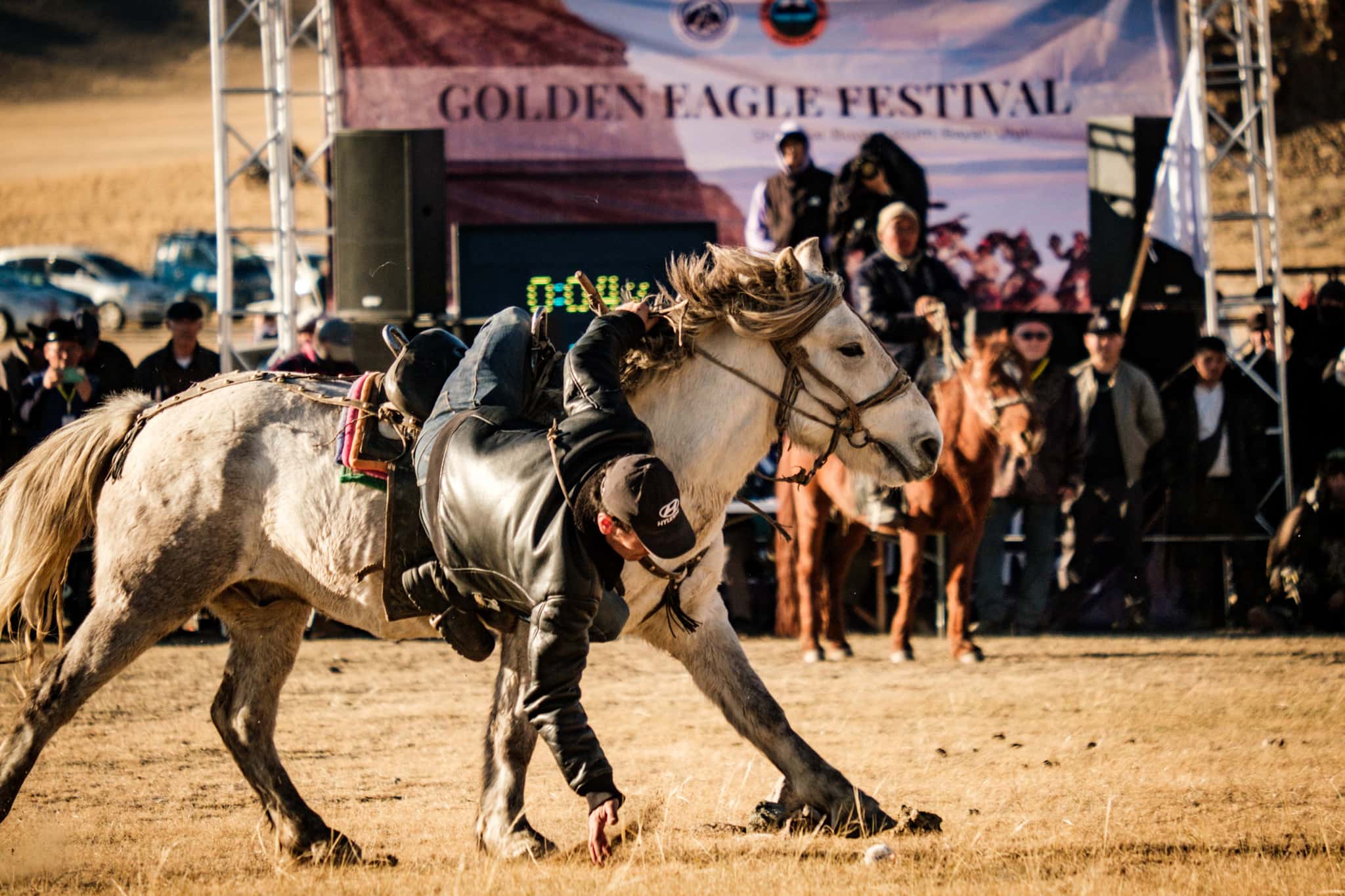
The Eagle Hunters compete in the following events: bonding, clothing and ornaments, archery, agility, recognition, coin grabbing, Kyz Kuar, Kykbar, and music.
This is another big photography day and one you will likely remember forever!
Morning flight back to Ulaanbaatar. We check into the hotel and have free time in the afternoon.
Back to the comforts of the capital! Team dinner in a local restaurant and perhaps even a tour of a local bar or two.
Over dinner, we will have our final debrief of the trip as we reflect on an incredible week in Western Mongolia spent together.
Sadly, our Epic experience has come to an end! Time to catch your international flight home.
Check out of the hotel is around noon on this day. If you would like to stay on longer in UB to continue your travels, you can opt to stay more nights in our same hotel.
Mongolian is the main language spoken throughout the country.
That said, where this trip takes place, Mongolian in not the primary language!
In Western Mongolia they mostly speak Kazakh (they even teach school in Kazak there) – the national language of Kazakstan. Deep with the national park we visit, the nomads there speak a Tuvan language, but also understand Kazakh.
English is not widely spoken in Mongolia, but our local guides are here to translate for you every step of the way.
Most western nationalities do not need to obtain a visa in advance to visit Mongolia, including the USA, EU countries, the UK, Australia, and Canada, etc.
A 30 day visa on arrival is pretty standard for the nationalities mentioned above.
A mix of hotels, Ger camps (yurts) stays, and homestays. Prices are based on shared accommodation (2 people in one room). For the yurts, expect 4-5 people per yurt.
Apart from light hiking when we are hanging out with the Eagle Hunter family, there is not much hours-long hiking during this trip.
Also, spring time in Western Mongolia can be pretty cold, so we are not doing any camping in tents either.
The horse riding aspect of this trip is optional. If horses are not your thing, no worries, it is not mandatory to ride.
Late March in Ölgii (Bayan-Ölgii Province), Western Mongolia is still very much winter—so think crisp, cold, and snowy, though the first signs of spring are just beginning to stir.
Here’s a breakdown of what to expect:
Weather in Ölgii, Western Mongolia – Late March
Temperature:
Daytime: -5°C to 3°C (23°F to 37°F)
Nighttime: -15°C to -8°C (5°F to 17°F)
General Conditions:
Things can still feel like winter, but the transition into spring can also be felt. Snow can be still on the ground and light snowfall is possible.
Expect a dry climate, with a lot of sunny, clear days.
Overall: Late March in Ölgii is cold but beautiful, with snowy landscapes and clear skies. With the right gear and planning, it’s a great time to experience the Nauryz festival and nomadic culture in a more raw, wintery setting.
Please check out our full gear checklist. Expect to pack warm, winter jackets and the appropriate layers needed to stay warm in Western Mongolia during spring time.
For this workshop, you’ll want a kit that balances durability, versatility, and portability. Mongolia’s steppe, mountains, and eagle‑hunter camps offer fast‑changing light and rugged terrain, so reliable gear matters.
A recommended setup includes:
Because we’ll be shooting in cold mornings, dusty plains, and active hunting environments, having gear that can withstand the elements is essential.
During the workshop, Chad will walk you through how he uses his own field kit — cameras, lenses, lights, hard drives, and protective cases — and help you adapt your setup to the conditions we encounter.
Mongolia’s eagle‑hunter season offers incredible photographic moments, but it also means working around animals, dust, wind, and rapid movement. Protecting your gear is part of the craft.
Key strategies include:
Chad will be on‑site throughout the workshop to help troubleshoot gear challenges, recommend adjustments, and demonstrate how he manages his own equipment in dynamic outdoor environments.
You don’t need specialized equipment, but certain choices will elevate your results. Fast lenses (f/1.4–f/2.8) help capture portraits of eagle hunters in low light, while telephoto lenses allow you to photograph action from a safe distance. If you shoot film, bring extra rolls — Mongolia’s remote regions don’t offer resupply options.
Digital shooters should bring:
Didn’t find the answer you working for? Send us a message!
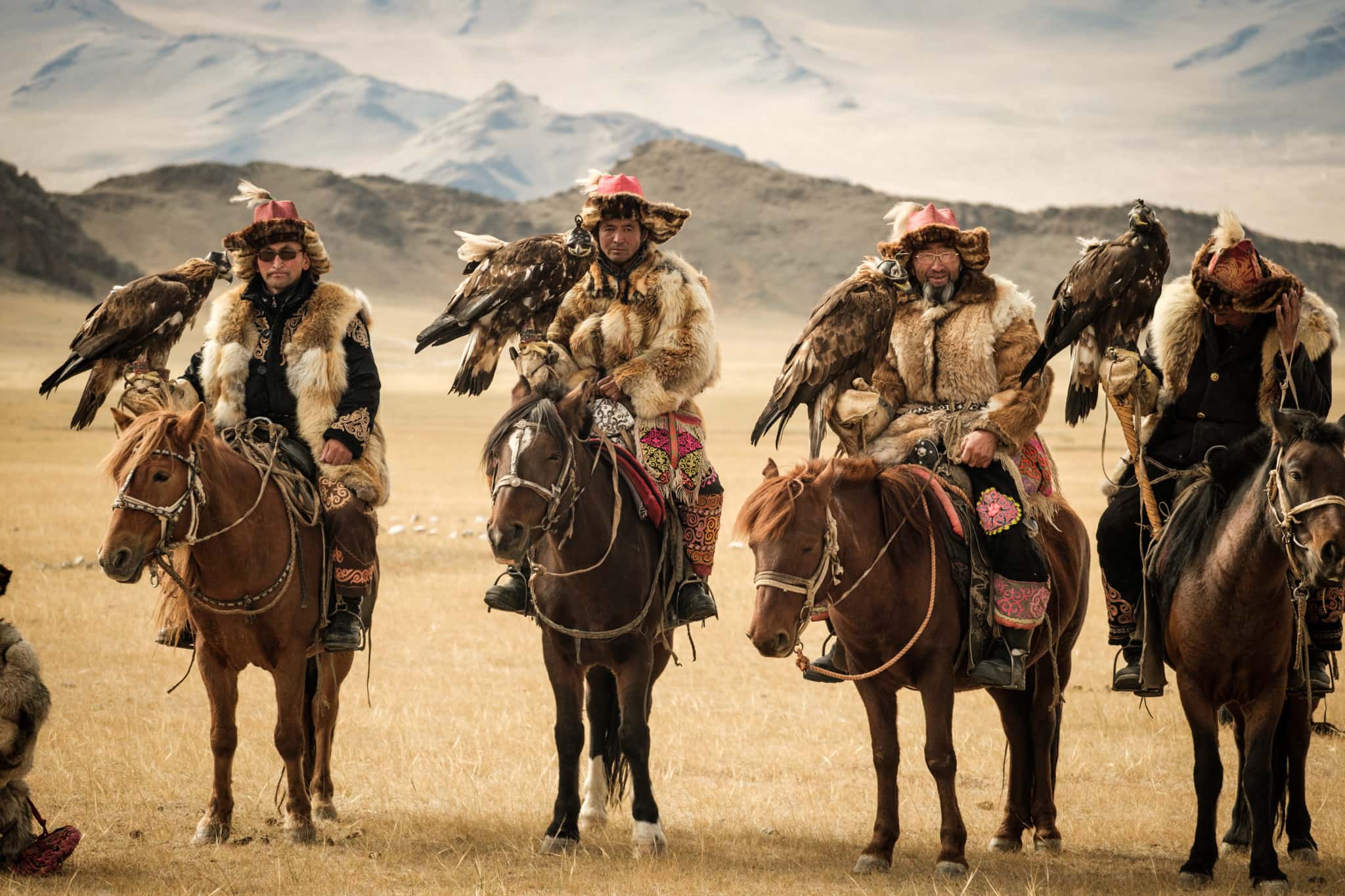
Western Mongolia—especially the Bayan-Ölgii Province—is home to a majority Kazakh population, setting it apart culturally and ethnically from much of the rest of the country. Though they live within Mongolia’s borders, these Kazakh communities have held onto their unique heritage with impressive tenacity.
For generations, Kazakh people have lived in the Altai region, blending traditional nomadic practices with dashes of modern lifestyle. Their nomadic roots stretch back centuries, defined by seasonal migrations across the steppe in search of better grazing lands for their livestock. Shaped by the harsh mountains and unforgiving climate, the nomads of this area are as resourceful as they are resilient—toughened by both their environment and their way of life. The skills and values honed through centuries of nomadism continue to influence their daily lives, even as many have settled into their contemporary existences.
These days, most Kazakhs—including eagle hunters—live in permanent homes, but it’s still very common to see a Ger (or yurt) standing in their yards. These traditional felt-covered dwellings are often used seasonally or as extra space, and they serve as a link to their nomadic past.
The Ger remains a powerful symbol throughout Mongolia, and in the Altai region, it continues to be the primary home for those who still follow a nomadic way of life. More than just a shelter, it represents endurance, adaptability, and a culture that’s very much alive.
Sign up for the Epic Newsletter to gain instant access to our insider packing lists and receive regular adventure updates.
Expect lots of cool photos, trip announcements, and highlights from our favorite places around the world. Never spam.
Get exclusive trip updates, be the first to know when we launch a new itineraries and offer discounts, and stay up to date with what’s happening at Epic Expeditions!