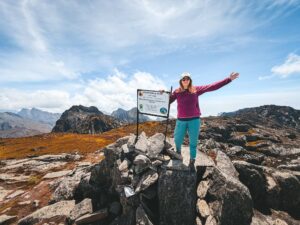
Take a look at our newest adventure: hiking in Cape Verde!
For the first time ever, Epic is heading to the African continent on a new adventure. Our first foray will be in Uganda: a misunderstood nation often associated with ethnic tragedy and political despotism.
And while these are certainly real aspects that have shaped the country, they aren’t the full picture. In truth, Uganda is a rich tapestry woven with incredible biodiversity, heartwarming culture, and landscapes that you get nowhere else in Africa.
Sounds like the perfect place for an epic expedition if you ask us.
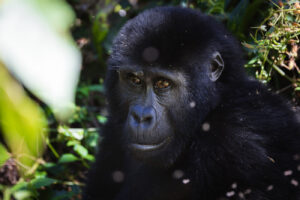
Join us as we enter the steamy jungles of Uganda in search of icy mountain peaks, criss-crossing kingdoms ruled by apes along the way. It’s the stuff of fairytales, and if it all seems absurd to you, it shouldn’t…
That’s just the kind of magical places that Epic has a penchant for finding.
Uganda has two dry seasons: June through September and December through February. These are generally the best windows for trekking and travel. Trails hold up better, and conditions are more predictable.
We usually organize trekking tours in Uganda in February, which falls squarely in the dry season and is one of the stronger periods for both wildlife tracking and time in the mountains. One caveat: the Rwenzori Mountains see rain throughout the year, so wet conditions should always be expected there regardless of when you go.
Lowland areas like Kasese and Entebbe are warm and sunny, with daytime temperatures reaching 80–90°F (27–32°C), while highland towns like Kisoro sit comfortably in the mid-60s to mid-70s°F (18–24°C): pleasant for hiking, with cool evenings that call for a light jacket. Rain is still possible throughout, but typically arrives in short bursts rather than sustained all-day downpours.
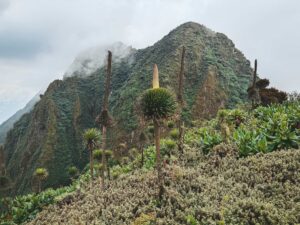
The biggest climate variable on a Uganda trip is altitude, not heat. The Rwenzori Mountains span a dramatic range; from humid rainforest at the lower slopes (60–75°F / 16–24°C) to near-freezing alpine conditions above 4,000m, where temperatures can dip below 25°F (-4°C) overnight. Even in the dry season, the Rwenzoris receive regular moisture year-round, meaning mud, mist, and wet trails should be expected regardless of when you visit.
Overall, packing for Uganda means preparing for two distinct climates in one trip: lightweight breathable layers for the warm lowlands, and full waterproof and insulated gear for the mountains. The altitude and moisture of the Rwenzoris demand the most preparation; everything else is relatively forgiving.
Accommodation that we use in Uganda is shaped by the terrain we move through. Expect a mix of guesthouses, locally run lodges, and mountain huts during the Rwenzori trek, all practical and clean but basic, with shared facilities and limited amenities.
Outside the mountains, we use more comfortable hotels where you can properly rest and recover. We put real thought into where we stay at every stage, and where the itinerary earns it (like after a hard stretch in the mountains), we don’t shy away from something a little nicer.
Staying connected in Uganda is straightforward in cities and towns, but requires some planning the further afield you go. MTN and Airtel are the two dominant carriers, between them covering the vast majority of the country. Picking up a local SIM card at Entebbe Airport on arrival is the easiest option; both carriers have booths in arrivals, costs are minimal, and registration requires your passport along with a fingerprint scan.
Outside the towns, coverage thins out considerably. Expect patchy signal once you’re outside of the main urban areas, and very little to none once you’re on the Rwenzori Mountains trek. Most lodges in remote areas use satellite or limited mobile data connections, so Wi-Fi exists but can be slow and unreliable.
On guided treks like the Rwenzoris, your team carries satellite communication for emergencies. That said, like most Epic tours, this is a good stretch of the trip to put the phone away: the mountains will hold your attention far better than anything on a screen.
Uganda is a safe destination for travelers, especially in the areas that we visit on tours. National parks and trekking routes are well set up for tourism, and your guides know the terrain inside out. We’ll brief you each day on conditions, trail expectations, and the plan ahead.
Standard precautions apply as they would anywhere: avoid walking alone at night in cities, keep valuables out of sight, and don’t draw unnecessary attention to yourself.
On the health side, a Yellow Fever vaccination certificate is mandatory for entry. Hepatitis A, Typhoid, and up-to-date routine immunizations are commonly recommended, and most travelers take anti-malarials. Book a visit to a travel clinic six to eight weeks before departure for personalised advice.
Ugandan food is honest and filling, built around local staples like rice, beans, matoke (steamed green bananas), vegetables, chicken, and beef.
Dietary requirements can generally be catered for with advance notice.
Most Western passport holders need a visa for Uganda. The East Africa Tourist Visa is the most practical option, covering Uganda, Rwanda, and Kenya on a single application and valid for 90 days.
If you’d prefer to visit only Uganda, single-country visas are available online before arrival. Entry requirements can shift, so it’s worth a quick check on official government sites in the weeks leading up to your trip.
Uganda’s official currency is the Ugandan Shilling. ATMs are plentiful in Kampala and Entebbe, reliable in larger towns like Kasese and Fort Portal, and scarce once you’re in or near the national parks. Withdraw enough cash before heading into remote areas.
Cards are accepted at major hotels, lodges, and tour operators, but Uganda remains largely cash-based for anything local: markets, smaller restaurants, taxis, and roadside stops all run on shillings.
USD is widely accepted, but a couple of rules apply:
If you have extra time after Uganda, East Africa rewards those who go a little deeper. Here are some specific destinations worth considering:
Our team members are experts on all things adventure!
If you’re interested in going on a trekking tour in Uganda but still have unanswered questions, feel free to give us a shout anytime. We’re ready and able to assist you in any way possible when it comes to planning your next big trip.
So ask away!
Get exclusive trip updates, be the first to know when we launch a new itineraries and offer discounts, and stay up to date with what’s happening at Epic Expeditions!