Key Takeaways:
- Uganda is broadly safer than its reputation suggests, with a homicide rate comparable to the US.
- The biggest dangers for foreign visitors are road accidents and petty crime in Kampala.
- The 2023 Anti-Homosexuality Act explicitly applies to foreign visitors as well as Ugandan nationals despite no documented arrests of tourists to date.
- The biggest safety variable for a Uganda trip is the operator you book with. The margin for error is thin in a country with limited medical infrastructure outside Kampala.
When you think of Uganda, you probably picture mountain gorillas in the Bwindi rainforest, the source of the Nile, Big Five game drives in Murchison Falls or even the equatorial glaciers of the Rwenzoris.
But this is Africa. We can’t ignore that Uganda is bordered to the west by the DRC and to the north by South Sudan, two of the most volatile regions on the continent.
So, of course, you’ve also thought about safety in Uganda. You might have read about the ADF attack on tourists in Queen Elizabeth National Park, seen the “Reconsider Travel” advisories from major Western governments, and seen headlines about carjackings on the Kampala to Masaka highway.
Both pictures are true at once. That’s what makes “is Uganda safe to visit?” a harder question than it looks.
After being on the ground in southwestern Uganda, we can tell you, like most African countries, the place gets a bad rap. The Uganda we’ve traveled through was, for the most part, incredibly safe; in fact, one of the safest countries on the continent. But there are important things to know to prepare for a trip.
What is Uganda’s Reputation?
Most of what Western audiences think they know about Uganda is shaped by events from a long time ago. Winston Churchill called Uganda “the Pearl of Africa” in 1908, and for the better part of the 20th century, that’s the version Westerners had in their heads.
Unfortunately, that changed in 1971 when Idi Amin took power.
Around 300,000 people died during his eight-year regime, and Uganda entered the modern Western imagination as a place of brutality. Then came the long civil war, the AIDS crisis, and Joseph Kony’s Lord’s Resistance Army, which terrorized northern Uganda from the mid-1980s into the 2000s.
Most readers under 40 first encountered the country through the Kony 2012 video, which racked up 100 million views in six days.
The good news is that these days the country’s reputation has improved dramatically. Uganda is now a far safer country today than it was twenty years ago and is slowly joining the ranks of Tanzania and Kenya as one of East Africa’s best wildlife and adventure destinations, both of which are arguably more hectic these days.
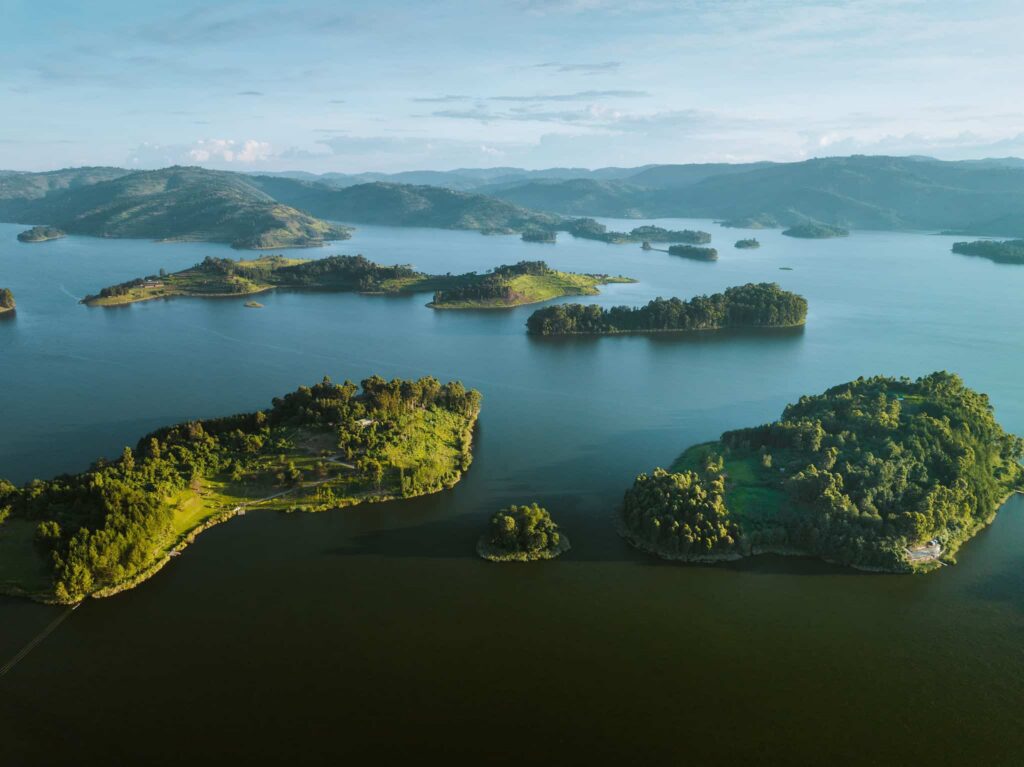
The Most Pressing Issues in Uganda
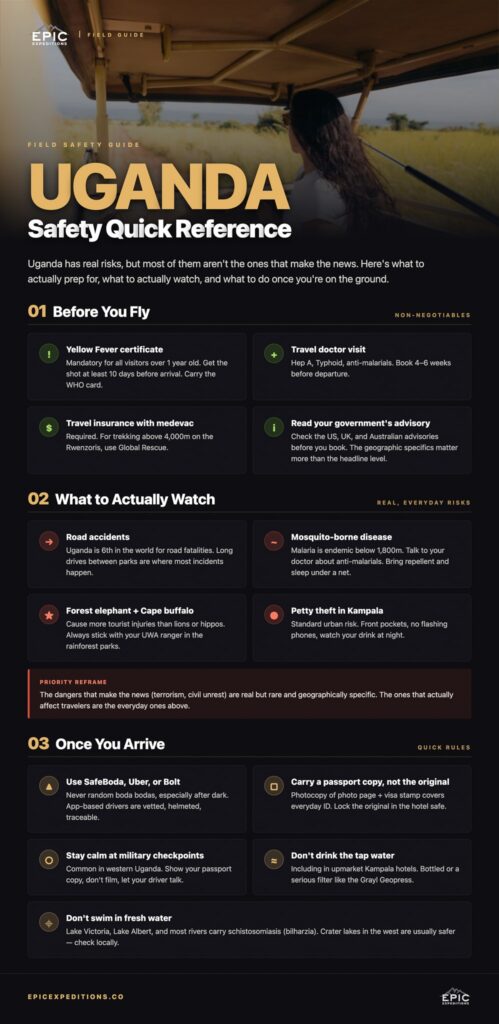
As with most places in the world, risks that make the news aren’t the ones that affect most travelers in Uganda, but let’s get those out of the way first.
The “scary” risks are real. Real, but ultimately rare. In October 2023, two foreign tourists and their Ugandan guide were killed in Queen Elizabeth National Park by an ADF cell that had crossed in from the DRC. The Ugandan military responded fast, killed eleven of the militants on Lake Edward within weeks, and rolled out additional security across all the western parks.
There has been no comparable attack on tourists since.
Everyday Safety Concerns
The everyday dangers are the ones nobody really googles and they hardly ever make headlines. But speaking from experience, these are the ones most likely to affect your trip:
- Road accidents – Uganda sits sixth in the world for road traffic fatalities, and the long drives between Kampala, Kibale, Bwindi, and the Rwenzori foothills are where most incidents happen.
- Petty theft and opportunistic crime – As with most capital cities, this is common in Kampala. You can expect the same urban risks you’d manage in any large East African city.
- Mosquito-borne disease – Malaria is present in most of the country, particularly at lower altitudes. Bring repellent, sleep under a net where one isn’t already provided, and talk to your doctor about anti-malarials before you fly out.
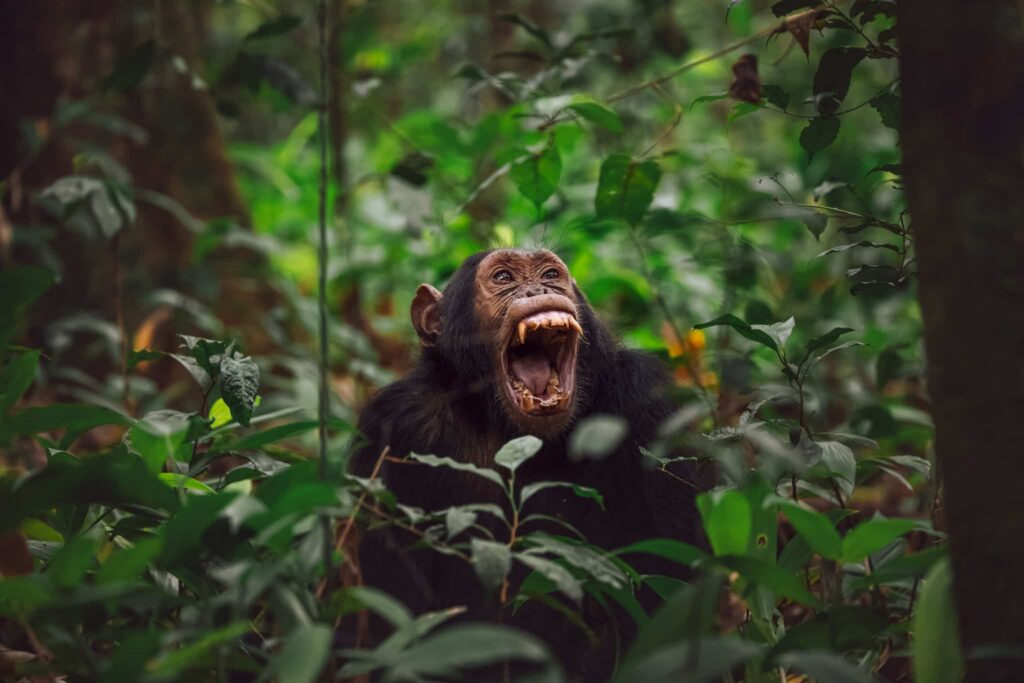
- Wildlife encounters – Forest elephants and Cape buffalo are responsible for more tourist injuries than lions or hippos. They live mostly in lower-altitude rainforests like Kibale and Bwindi and are a real risk for trekkers.
Is Uganda Safe for Women?
The safety question hits differently for women, and we won’t pretend otherwise.
Search for “women’s rights in Uganda” and the results are pretty sobering. According to the Uganda Demographic and Health Survey, around 56% of young Ugandan women have experienced physical violence at some point in their lifetime.
The statistics around domestic gender-based violence are real and grim, and for Ugandan women, the everyday reality can be a hard one.
But does that translate to you as a foreign woman visiting Uganda?
Generally speaking, no. Foreign women occupy a different cultural space in Uganda. You’re seen first as a guest and second as a woman. The country has a long, well-trodden history of solo female travel: backpackers crossing East Africa overland, NGO workers, researchers, climbers heading for the Rwenzoris, and gorilla trekkers in Bwindi.
From our Epic team and from female travelers we’ve spoken with, the consistent feedback is that Uganda feels friendly and welcoming.
That said, you should still travel with the same urban awareness you’d bring to any large East African city. Specific risks worth mentioning:
- Drink spiking in Kampala nightlife. It happens. Stay with people you trust, watch your drink, and don’t accept anything you didn’t see poured.
- Pickpocketing, especially around taxi parks and crowded markets. Same advice as anywhere else: front pockets, daypack worn on the front in crowds, cash split between two places.
- Boda boda rides at night. We’d avoid them entirely as a solo female passenger after dark. Use ride-share apps like Uber, Bolt, or SafeBoda instead.
Female Clothing & Attire
Uganda is a culturally conservative country, particularly outside of Kampala. Dress isn’t strictly a safety issue, but also a respect issue, and it affects the quality of the interactions you have, especially in more conservative areas.
- Rural Uganda – Including the towns around Bwindi and the Rwenzoris. Dress modestly. Knees and shoulders covered for women is the norm.
- Kampala – The dress code is more relaxed. Jeans, dresses, and casual western clothing are all fine.
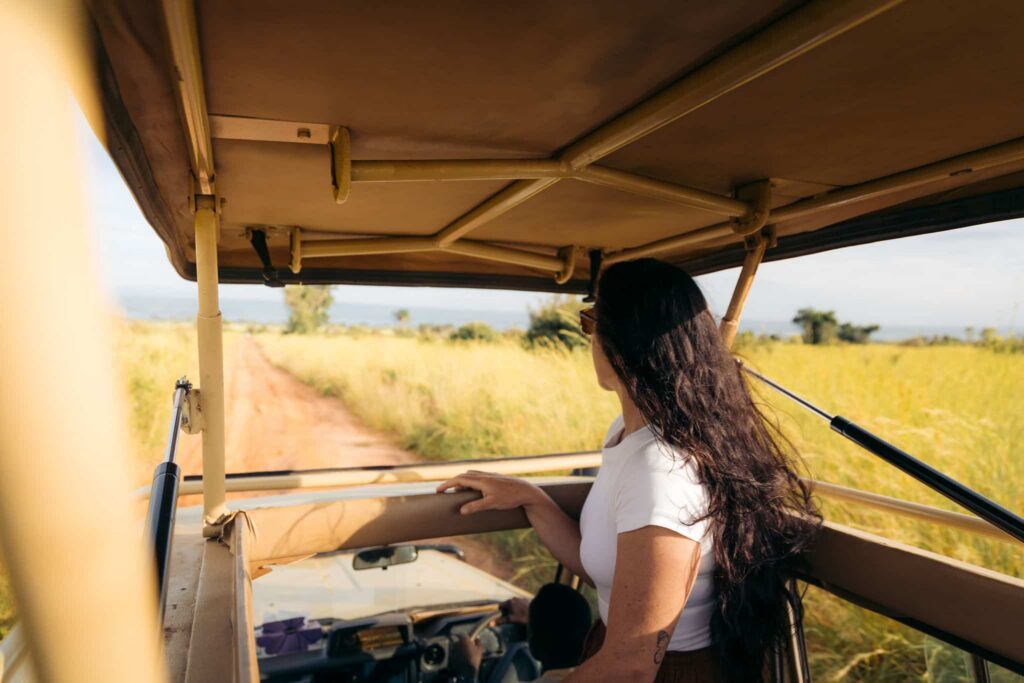
- Active days – While hiking, or going on chimpanzee or gorilla treks and game drives, wear normal hiking / active clothing. Though we recommend long sleeves (for men and women) more to prevent mosquitos, stinging plants, and getting burnt from the hot African sun than to avoid violating any cultural dress codes.
The Situation in Kampala
Is Kampala safe? The answer is that Kampala isn’t necessarily a dangerous city; the homicide rate is actually in line with US cities, police presence in tourist neighborhoods is strong, and millions of foreign visitors pass through every year without incident.
That said, as with any capital city, there are risks specific to the “City of Seven Hills”.
- Boda bodas – The classic Uganda motorcycle taxis are everywhere, they’re cheap, and they’re the fastest way through Kampala. But, they are responsible for a large share of the city’s road accidents. Drivers are often unlicensed, don’t carry spare helmets, and traffic discipline in central Kampala is very poor. If you’re going to use them at all, use SafeBoda, the app-based service whose drivers are trained, helmeted (with a clean helmet for you), and traceable. Uber and Bolt are also available options.
- The Kampala–Masaka highway – Between December 2025 and February 2026, the US Embassy issued multiple security alerts about armed gangs targeting vehicles on the highway, including those carrying foreign tourists. The route is the main road from Kampala toward Lake Mburo and the Bwindi corridor, so it’s a highway you may well be on. If you’re traveling this route, do it in daylight with a driver or tour company who knows the road.*
- Neighborhoods to know – Most travelers in Kampala stay in the upmarket areas where the hotels are: Kololo, Nakasero, Bugolobi, and Naguru. These are safe, walkable, and where most embassies, restaurants, and hotels are. The Old Kampala area, the taxi parks, and Owino Market (St. Balikuddembe) are also fine to visit during the day, but leave the watch at the hotel. We wouldn’t walk in Kisenyi or any of the informal settlements after dark.
- The basics – Use ATMs inside banks or malls rather than on the street. Carry small notes for tipping and the occasional purchase. Don’t flash phones or cameras in markets or taxi parks. If you’re stepping out at night, take Uber or Bolt rather than walking, even short distances, and even in safer neighborhoods.
* We do not take this route on any of our Ugandan programs.
Health and Sanitation Considerations
Of all Uganda’s safety considerations, health is the one that takes the most pre-trip prep. The good news is that a single travel-doctor appointment four to six weeks before you fly will handle most of it.
There’s only one thing that’s required: a yellow fever vaccination certificate.
This is mandatory for all travelers over 1 year old entering Uganda, regardless of where you’re flying from. You’ll be asked for the WHO International Certificate of Vaccination at immigration (the yellow book). Get the shot at least 10 days before arrival, and the certificate is valid for life.
Everything else is strongly recommended by most travel advisories:
- Routine vaccinations – Tetanus, MMR, polio, and chickenpox boosters up to date.
- Hepatitis A and Typhoid – Standard East African coverage. Both are food and waterborne.
- Hepatitis B – Worth it for longer stays or off-the-beaten-track itineraries.
- Meningitis – Uganda is part of Africa’s meningitis belt during the dry season (December to June).
- Rabies – Worth considering for remote areas. Stray dogs are common, and post-exposure treatment is hard to access outside Kampala.
- Anti-malarials – Malaria is endemic in most of Uganda below 1,800 m. Talk to your doctor about Malarone, Doxycycline, or Mefloquine.
A short note on Ebola: Uganda had Sudan-strain outbreaks in 2022 and early 2025, both contained within months. The country has one of the world’s most experienced viral hemorrhagic fever response systems. There’s no reason to factor it into your planning at the moment, but it’s worth knowing if you’ve been researching.
Sanitation & Avoiding Food Poisoning
We find that the daily-habit stuff matters more than the vaccinations.
- Water – Tap water isn’t safe to drink anywhere in Uganda, including in upmarket Kampala hotels. Bottled or filtered through a serious purifier like the Grayl Geopress (the water bottle filter we use) is required.
- Food – Meals at lodges are typically of a very high standard. However, common caution is recommended for street food. Be careful with unfamiliar dairy and salads washed in tap water. Pack rehydration salts in case.
- Mosquito protection – Besides anti-malarials, it’s a good idea to wear long sleeves at dusk and use DEET on exposed skin, and a bed net at night. Most decent lodges in malarial zones have nets already installed.
- Don’t swim in fresh water – Lake Victoria, Lake Albert, and most of Uganda’s lakes and rivers carry schistosomiasis (bilharzia), a parasitic infection picked up through skin contact. The crater lakes in western Uganda are generally safer, but check locally.
If something serious happens, Kampala has a handful of high-standard private hospitals (International Hospital Kampala and Nakasero Hospital among them) capable of handling most emergencies. Outside the capital, facilities get sparse quickly. For those visiting Uganda for trekking or other remote regions, evacuation to Kampala or a regional centre like Nairobi may be needed for anything beyond basic stabilization.
This is why all travel companies, including Epic Expeditions, recommend travel insurance with medical evacuation cover for Uganda. We recommend World Nomads, SafetyWing, and Global Rescue.
Important: Check that your policy specifically covers the activities on your itinerary, particularly if you are joining our Uganda expedition going above 4,000 m on the Rwenzoris. For this kind of trip, we highly recommend Global Rescue for evacuation/rescue coverage.
Governmental Advisories
If you are planning on visiting Uganda for the first time, you’ll likely scan your home government’s travel advisory site. At the time of writing, Uganda is advised as:
- US Department of State: Level 3 (Reconsider Travel), citing crime, terrorism, civil unrest, and the country’s anti-LGBT laws.
- UK FCDO: Advises against all but essential travel to specific zones (Queen Elizabeth National Park, the area immediately southwest of Kasese, and Semuliki National Park), and against all travel to the DRC provinces bordering Uganda.
- Australian Smartraveller: Level 2 (Exercise a high degree of caution).
The body of the advisories is mostly about the DRC border zone (where the ADF operates), the Karamoja sub-region (cattle-raid banditry), and the country’s 2023 Anti-Homosexuality Act. The first two are predictable geographic hotspots, but the third is a real consideration we’ll cover in the next section.
Note: While we always recommend reading the full advisory from your home government, it’s worth understanding that these advisories are usually written by risk-averse bureaucracies designed to cover every possible worst-case scenario. In the process, they tend to paint entire countries with a broad stroke, when the risk is heavily concentrated in specific districts.
Cultural Considerations
Uganda is a religious, family-oriented, and culturally conservative country, particularly outside Kampala. Christianity dominates (around 84%), Islam is a strong minority (around 14%), and traditional religious practices are woven through both.
For a traveler, this generally translates to a warm, patient culture that’s hospitable to anyone showing basic respect. A few specific things are worth knowing.
LGBTQ Travelers and Uganda’s Anti-Homosexuality Act
Uganda passed the Anti-Homosexuality Act in May 2023, one of the strictest such laws in the world. Consensual same-sex conduct can carry up to life imprisonment, “attempted homosexuality” up to ten years, and “aggravated homosexuality” technically carries the death penalty. The Constitutional Court upheld the law in 2024.
Importantly for travelers visiting Uganda, the law explicitly applies to both Ugandan residents and foreign visitors. However, according to Human Rights Watch, documented arrests under the Act have overwhelmingly been Ugandan nationals, and there are no widely reported cases of foreign tourists being charged or detained. But the climate is hostile, and arrests have been made against community members, NGO workers, and people identified through online activity.
If you’re an LGBTQ traveler, you should know that same-sex couples should not display affection anywhere in Uganda. A discreet and low-profile trip is the only way to visit right now, and many in the LGBTQ community may choose not to travel to Uganda at all.
That’s a fair call. We won’t tell you Uganda is safe in the same way it is for other travelers, because it isn’t.
Photography & Drone Restrictions
When photographing people, a sign of respect is to ask first, particularly in rural areas, religious settings, and around children.
For safety, avoid photographing government buildings, military or police installations, the airport, and bridges entirely. UPDF and police take this seriously, and being caught with photos on your phone can mean being questioned, fined, or briefly detained.
Drone use is heavily restricted across Uganda and requires a permit applied for well in advance through the Uganda Civil Aviation Authority. One of our team members has gone through the process and wouldn’t recommend it: it’s drawn out, bureaucratic, and seriously NOT worth the hassle. You’ll have problems at the airport regardless of how much paperwork you have, and UWA will show up every single time you want to fly it.
Outdoor Activities: Trekking and Gorillas
Trekking the Rwenzori Mountains
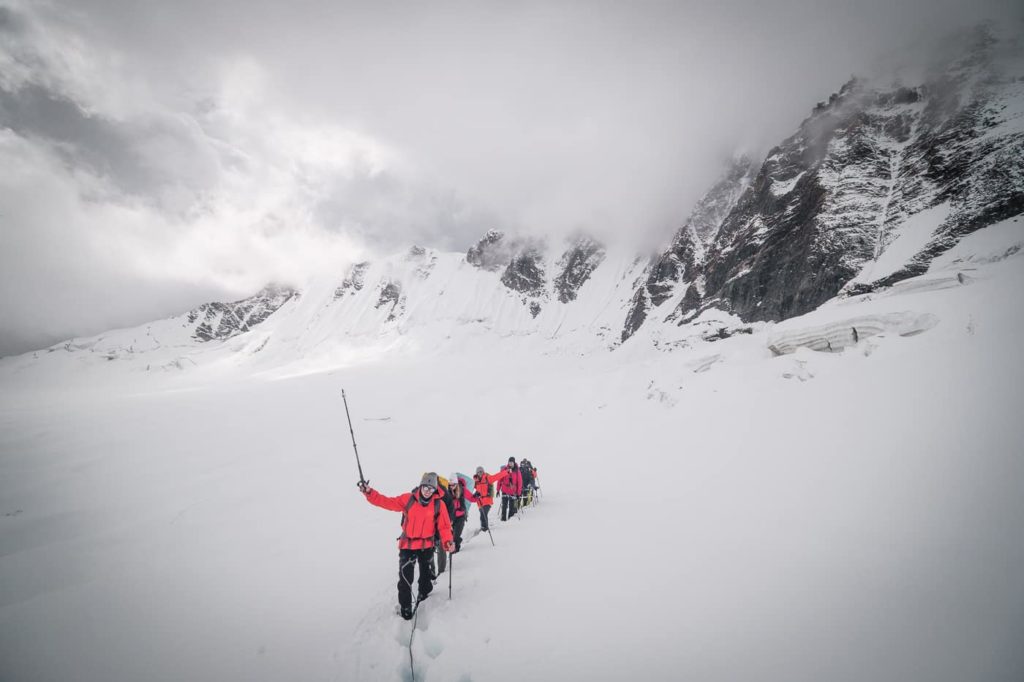
The Rwenzoris are Africa’s third-highest mountain range and the main focus of our Uganda expeditions. The highest summit is Margherita Peak (5,109 m) on Mount Stanley, a technical objective requiring ice axes and crampons.
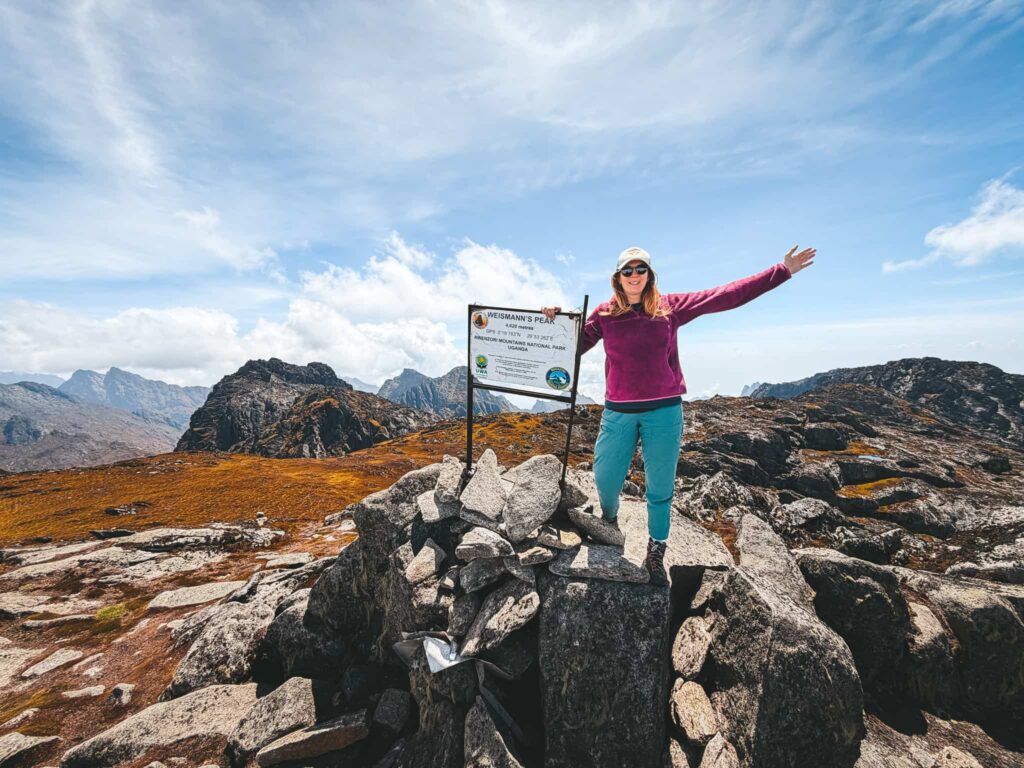
Our expedition runs the southern Kilembe circuit and summits Weismann’s Peak (4,620 m) on Mount Luigi di Savoia, taking in views of Mount Speke (4,890 m) and Mount Baker (4,843 m) along the way.
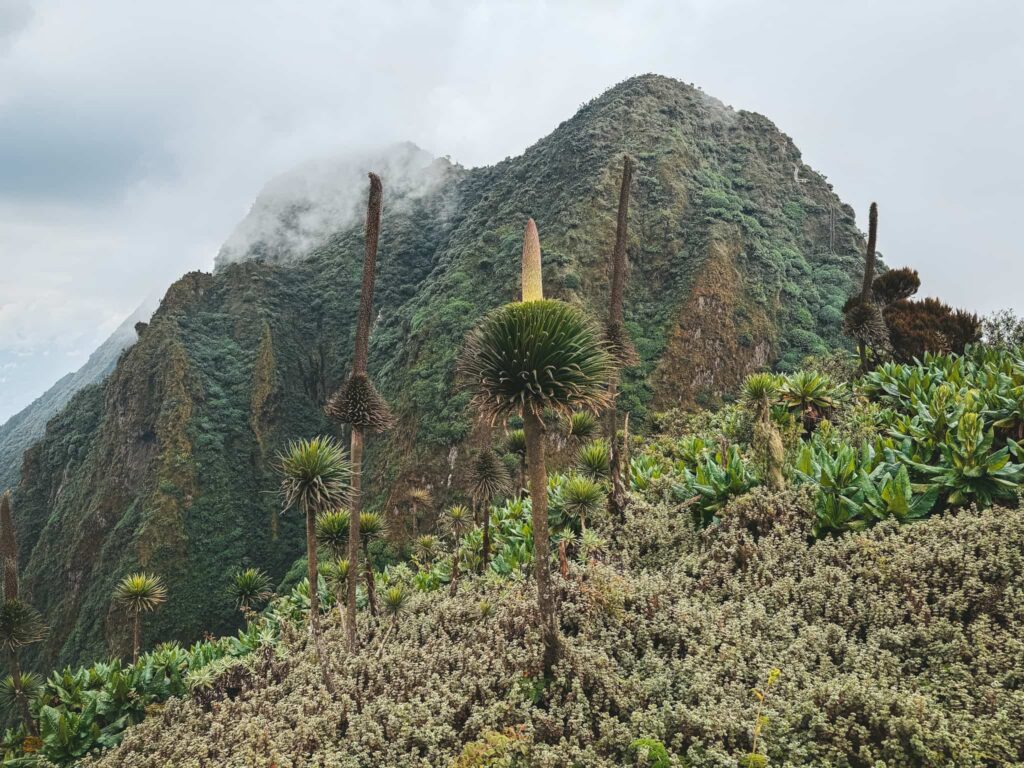
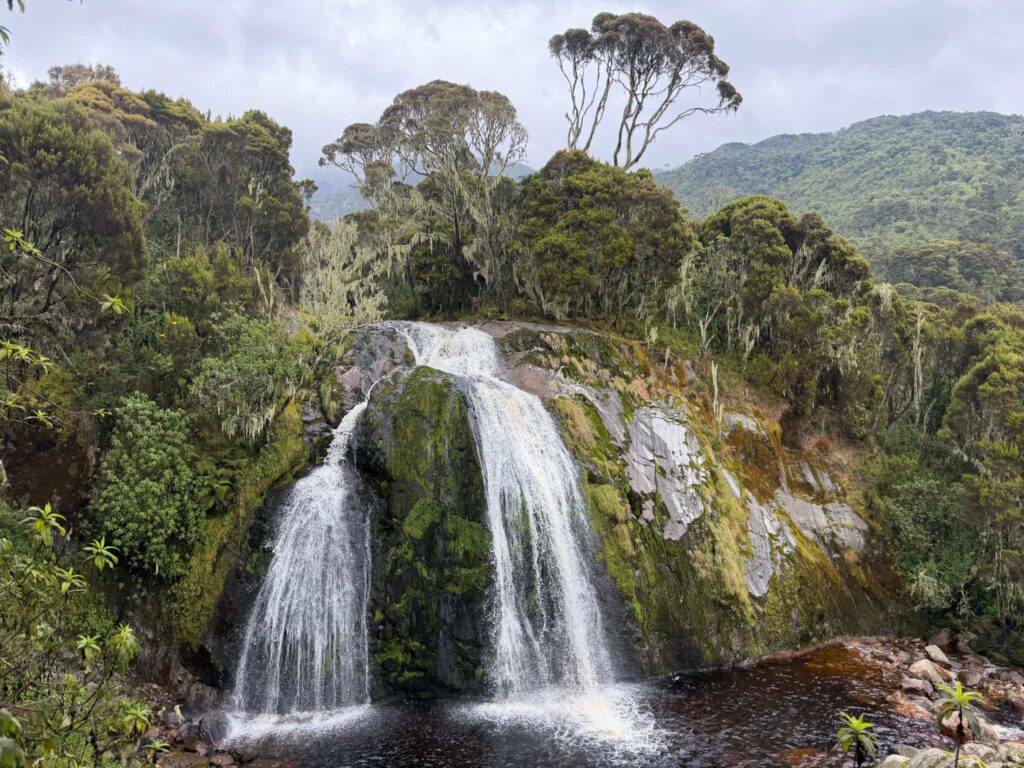
Equatorial glaciers, giant lobelia forests, peat bogs above 3,500 m, and a route through one of the wettest, strangest, and most remote mountain environments on the planet. This is one hell of a trekking region!
That said, there are safety considerations for trekkers in the Rwenzoris.
- Altitude – Trek altitudes on the Rwenzoris range from around 1,700 m at the trailheads to 5,109 m at Margherita Peak, with most circuits spending multiple consecutive days above 4,000 m. AMS is common at these elevations, especially since most trekkers will be coming from near sea-level. HACE and HAPE are rare but documented in the Rwenzoris. Any responsible operator will build acclimatization days into the itinerary.
- Weather – The Rwenzoris are notoriously wet. February and August are the drier windows, but rain is possible any month. Expect mud underfoot for most of the trek and proper four-season gear above 3,500 m.
- Terrain – Expect peat bogs, root-tangled rainforest, river crossings, and rocky alpine sections within a single day. UWA has invested in wooden walkways across the worst bog sections and bridges across the major river crossings, but it’s still demanding.
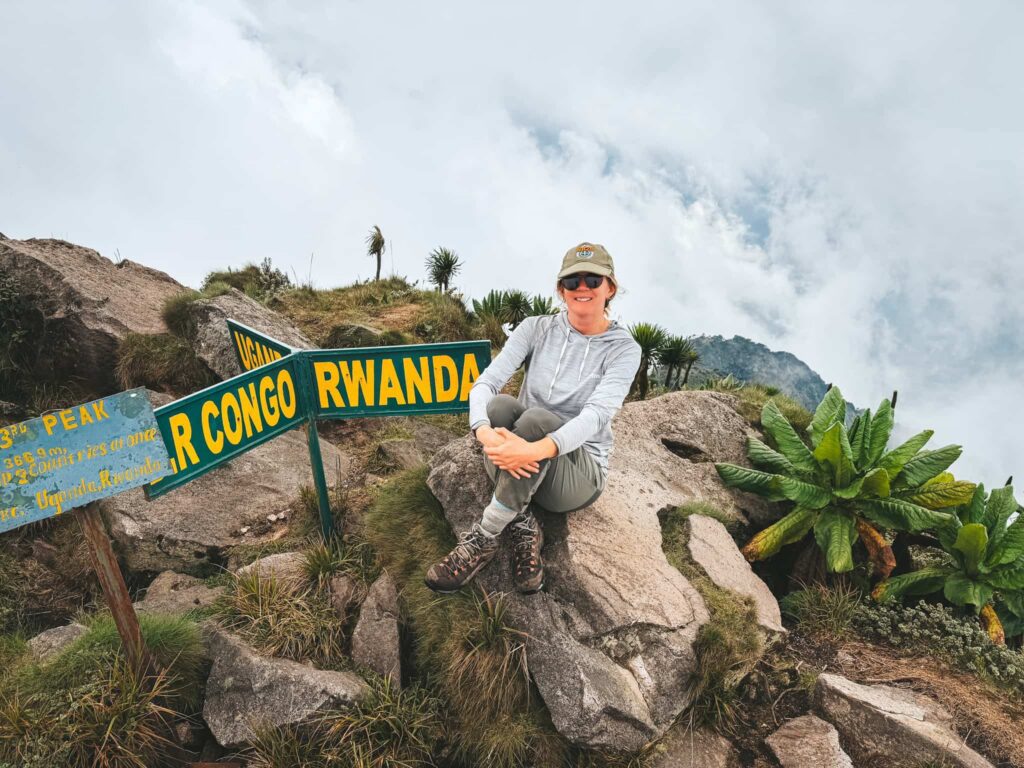
- The DRC border – The Rwenzoris straddle this border. The Ugandan side, where you’ll be, is heavily patrolled by UPDF and considered safe. Crossing into the DRC side (Virunga) is not permitted on standard treks and isn’t something any reputable operator would attempt.
Note: For safety, a licensed UWA-authorized guide is mandatory on every Rwenzori trek.
Gorilla Trekking in Bwindi
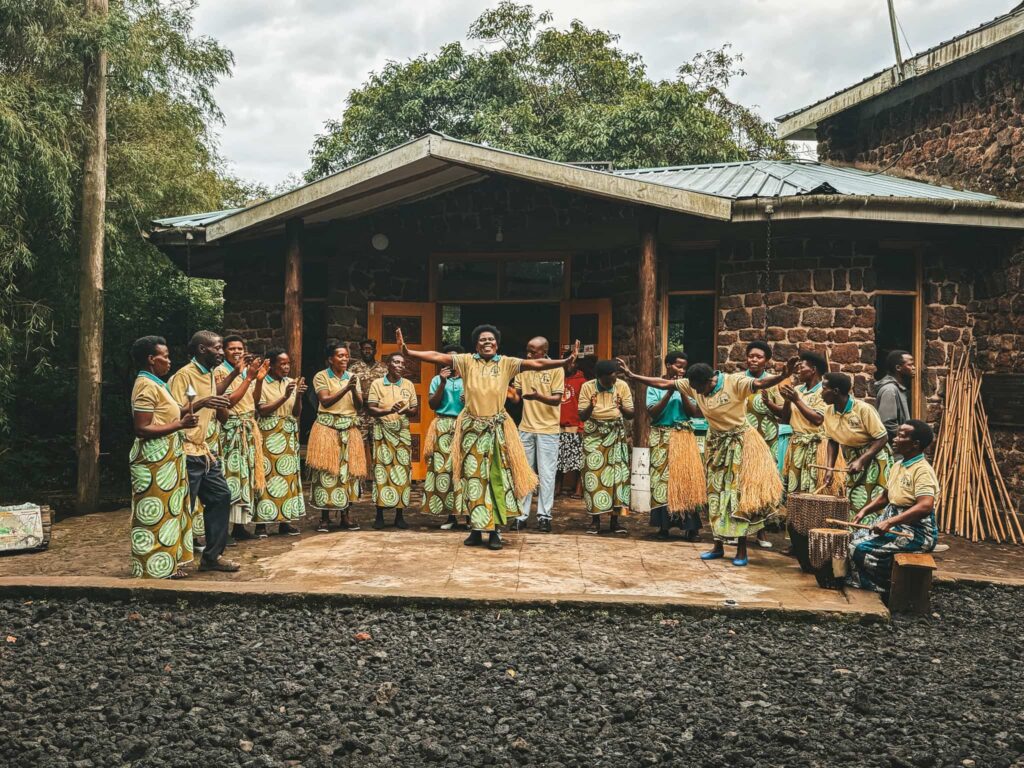
Is it safe to visit gorillas in Uganda? The answer is that gorilla trekking is not only one of the most famous attractions in Uganda, but it is also heavily regulated with a very strong safety setup. Every trekking group is accompanied by armed UWA park rangers (for buffalo and forest elephant protection, more than human security), permit numbers are capped at 152 per day across four sectors, and groups are limited to 8 trekkers per gorilla family.
Trekkers are required to stay 10 meters from the gorillas; you get exactly one hour with the family, and you’re asked to wear a face mask to limit the risk of human respiratory illness passing to them.
Gorilla immune systems aren’t built for human flu, and a single sick visitor can take a family down. Don’t visit if you have a cold, don’t eat near the gorillas, and don’t make sustained eye contact with the silverback. While you get a briefing beforehand, it’s important to know that if one mock-charges, you’ll want to drop into a crouch and look away – but don’t worry, this is very rare, and you’ll be well prepared after the briefing.
Chimpanzee Trekking in Kibale
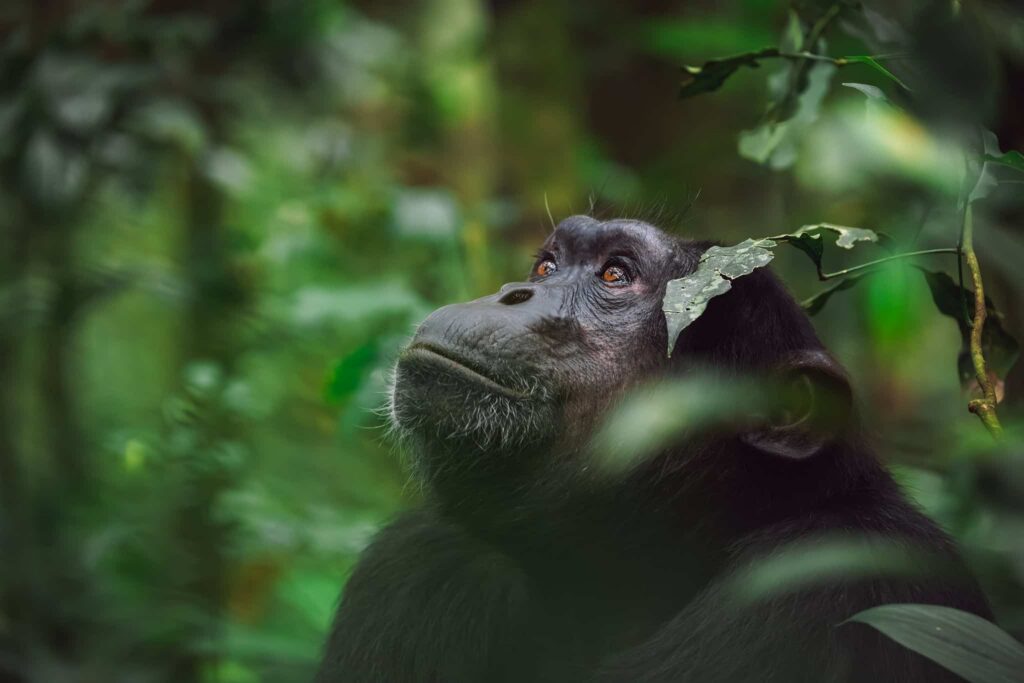
Kibale National Park has 13 species of primate, including a large population of habituated chimpanzees, and the chimp trek there is what we run on our Uganda expeditions. It’s a different experience to Bwindi gorillas: less crowded and, in our experience, more exhilarating.
However, Kibale’s lower-altitude rainforest is prime habitat for the forest elephant and Cape buffalo. These animals can be notoriously aggressive, which is why UWA rangers accompany every group.
Like gorillas, chimps are unpredictable and hierarchical but much more active. They can and do behave aggressively, particularly the males, during dominance displays. Stay 8 meters back, don’t run if a chimp moves toward you (running triggers a chase response), and never show your teeth in a smile – it reads as a threat.
Tips for Visiting Uganda Safely
Get an MTN or Airtel SIM at the Airport
Data is cheap in Uganda, and WhatsApp is the primary communication channel for almost everything. Picking up a SIM at the desk in the Entebbe arrivals hall is very easy. MTN and Airtel are both fine, but from experience, MTN has slightly better coverage in remote areas and the Rwenzori foothills.
Carry a Copy of Your Passport
A printed photocopy of the photo page (with your visa stamp on the reverse) is enough for everyday ID needs in Uganda, including hotel/lodge registration and most checkpoints.
Watch for Pickpockets in Taxis
Flashing your brand new iPhone while filming out of a taxi window is just baiting petty thieves. Snatch-and-run from motorbikes or through car windows is easy to avoid by keeping your valuables inside the car.
Stay Calm and Polite at Military Checkpoints
Checkpoints are normal in western Uganda, particularly around the DRC border and almost all game parks for UWA and UPDF security. Our experience is that these checkpoints can be overly bureaucratic, and guards can overstate their authority. Show your passport copy without argument, don’t take photos, don’t film, and let your driver do the talking.
So, Can You Visit Uganda Now?
Yes, but the full answer to “is Uganda safe to travel to” – is: it depends on how you set the trip up.
You can backpack in Uganda independently, but just like any East African nation, the margin for error is thin with limited medical infrastructure in remote regions, dangerous wildlife, and patches of regional volatility next door.
The biggest safety factor for visiting Uganda is who you go with.
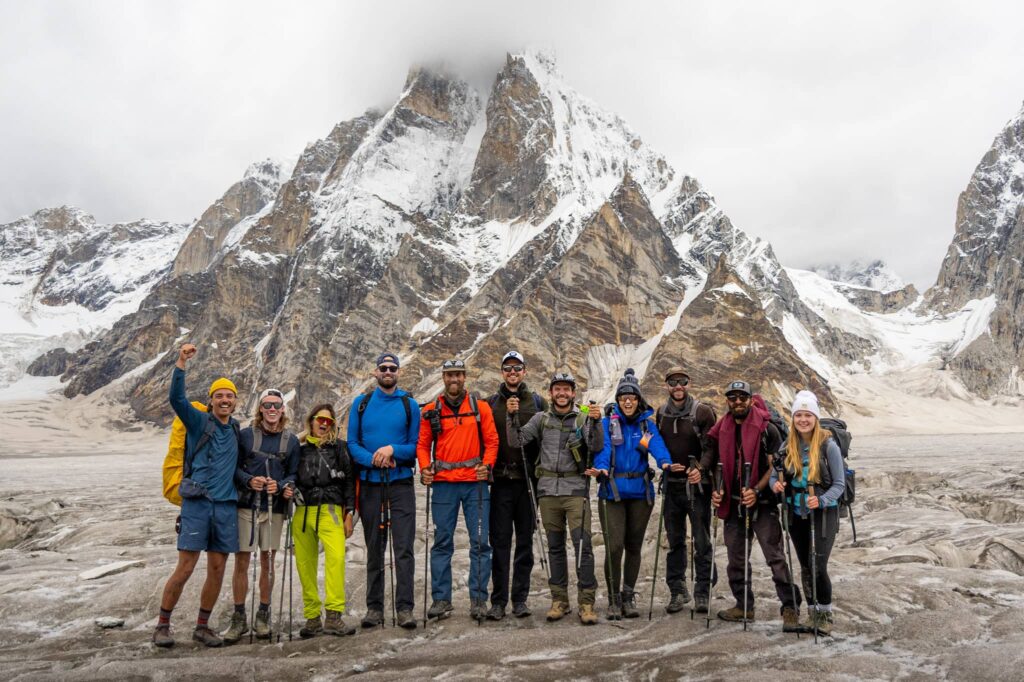
Our Uganda expedition is a small group capped with tested logistics, vetted local guides and porters, and an epic itinerary built around the wildest region of Uganda. If Kilimanjaro feels overdone and you want what those routes used to be twenty years ago, the Rwenzoris are the answer.