Take a look at our newest adventure: hiking in Cape Verde!
Tours | Things to Know | Highlights | FAQ | Testimonials | Resources
We’ve been quietly bringing people to Argentina for a while, guiding adventurers to some of the most infamous peaks in South America.
Few other countries in the world better capture the qualities our humble (former backpackers) founders aspire to, either: the grit of the gauchos, the lust for life from the porteños, the passion of the hinchas, the audacity of the andinistas; these are the types that we identify with and want to be around when we leave the comfort of our own homes.
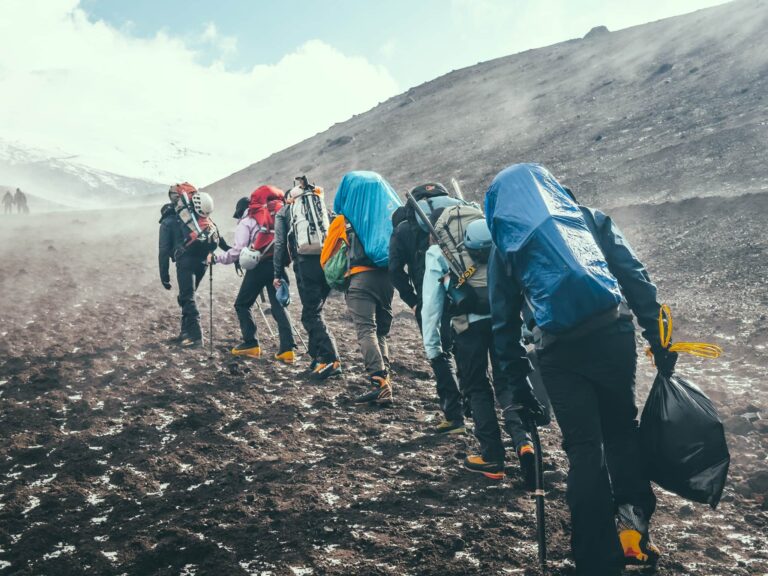
We’re kicking off our tenure in Argentina with one of its most well-known, demanding experiences: climbing the mighty Aconcagua, the highest mountain in South America and the Southern Hemisphere.
We won’t stop there though; who’s to say we won’t be traversing Patagonian ice fields or sailing through fjords in Tierra del Mar one day soon?
Stick around, and you may find yourself there with us.
Timing in Argentina depends heavily on which region you’re headed to, but the Southern Hemisphere summer (and its shoulder months) is generally the sweet spot.
For Aconcagua and the high Andes around Mendoza, the climbing season runs from late November to mid-March, with late December through January offering the most stable weather and warmest temperatures. Outside this window, the mountain is essentially closed to climbers due to extreme cold and wind.
Patagonia (El Chaltén, El Calafate, Tierra del Fuego) is best visited November through March, the same window as on the Chilean side of the border. December and January are peak season with long daylight hours, but also the busiest and windiest. The shoulder months of October-November and March-April bring fewer crowds and often calmer mornings, though temperatures drop and weather becomes less predictable.
Argentina stretches over 2,000 miles north to south, so conditions vary enormously depending on where you are:
Epic relies on a mix of accommodation types depending on the nature of the trip we are organizing. You can usually expect comfortable 3-4 star hotels while in cities, quaint guesthouses in smaller towns, and comfortable pre-scouted camps when in the backcountry. Our camping setups include communal areas like mess tents, latrines, camp chairs circles, and even hot showers sometimes.
For example, Plaza de Mulas featured on the Aconcagua expedition, is one of the most developed base camps in the world. We make the most of it.
Standard practice at Epic is to pair guests together in twin bed settings; genders and couples are always matched. Single supplements are available though on a first-come, first-served basis.
The three main mobile operators in Argentina are Claro, Movistar, and Personal.
Local SIM cards are widely available at Ezeiza International Airport in Buenos Aires, as well as in Mendoza, El Calafate, and El Chaltén. Bring your passport, as registration is required for SIM purchases.
Cell coverage is reliable in cities and larger towns but drops off quickly in the mountains. On Aconcagua and throughout much of Patagonia’s backcountry, expect no signal once you’re away from town.
For emergencies, your guide carries a satellite communication device, ensuring we are always able to stay in contact.
Argentina is one of the safer, more stable countries in South America, both politically and in terms of everyday travel. That said, petty crime like pickpocketing, bag-snatching, and scams targeting tourists is common in larger cities such as Buenos Aires and, to a lesser extent, Mendoza. The usual precautions apply: keep valuables out of sight, avoid flashing phones or cameras in busy areas, use registered taxis or rideshare apps, and stay alert in crowded spaces like bus terminals and markets.
The good news is that we’ll be spending very little time in these urban areas. Most of this trip takes place in the mountains, where the concerns shift entirely. Once we’re in the wilds, the things to watch for are the elements: sun exposure, sudden temperature swings, high winds, and altitude. Your guides know these mountains well and will brief you daily on conditions and what to expect, so the focus stays on staying warm, hydrated, and acclimatized rather than worrying about your belongings.
On the health side, no special vaccinations are required for entry, though routine immunizations should be up to date. Altitude sickness is the main consideration on Aconcagua, and we build acclimatization days into the itinerary to give your body time to adjust. Travel insurance that covers high-altitude trekking is mandatory.
Argentine cuisine is built around its legendary beef, but there’s far more on the table than just steak.
Asado (Argentine barbecue) is a cultural institution, often a slow, social, multi-hour affair featuring various cuts of beef, chorizo, and morcilla (blood sausage). Empanadas, baked or fried pastries filled with beef, chicken, ham and cheese, or corn, are a staple snack found everywhere from street stalls to fine restaurants. In the Andean northwest, dishes show stronger indigenous influence, with locro (a hearty corn and meat stew) and humita (a corn-based tamale-like dish) common.
For drinks, Argentina is one of the world’s great wine countries, especially known for Malbec from the Mendoza region, which pairs naturally with a post-trek asado. Mate, a traditional caffeinated tea sipped from a shared gourd through a metal straw, is a near-constant social ritual across the country and a great way to connect with locals.
Here’s the visa breakdown for the most common nationalities heading to Aconcagua:
United States, European Union, UK, and Australian citizens:
Other nationalities:
Check with the Argentine Embassy or Consulate in your home country to confirm visa requirements well before booking flights.
Keep your entry stamp safe; it’ll be checked on departure from Argentina.
The local currency is the Argentinian Peso. ATMs are very common in Mendoza, and most restaurants and shops accept credit cards. Still, it’s smart to carry some cash for tips, small purchases, or emergencies.
We recommend bringing the equivalent of $300–400 USD in Argentinian Pesos for extra meals, drinks, and souvenirs. Meals in cities typically cost $10–15 USD, and soft drinks are about $1–2 USD. USD, Euros, and GBP are all easy to exchange in Argentina.
Our team members are experts on all things adventure!
If you’re interested in traveling to Argentina but still have unanswered questions, feel free to give us a shout anytime. We’re ready and able to assist you in any way possible when it comes to planning your next big trip.
So ask away!
Get exclusive trip updates, be the first to know when we launch a new itineraries and offer discounts, and stay up to date with what’s happening at Epic Expeditions!