Key Takeaways:
- The scale is huge. Asia covers about 30% of the world’s land and holds all 14 of its 8,000 m peaks.
- Many of the best treks are camping only, and the best ones usually are! There not always teahouses, so expect tents, porters or pack animals, and very few other trekkers.
- K2 Base Camp is the best swap for Everest Base Camp. It’s quieter, and from Gondogoro La you can see four 8,000 m peaks at once.
- Permits in some regions are difficult to obtain. Kailash needs three permits, Goecha La requires a recognized Indian guide, and Bhutan charges $100 a night.
When you think of trekking in Asia, do you think of 8,000-meter peaks from a mountain pass, or dense tropical jungle crawling with exotic critters?
Most conversations we have about multi-day trekking in Asia end up at Nepal’s teahouses at one point or another – and we get it. We’ve had great times there, and very few hiking routes can offer a hot meal with a view of the world’s highest peaks after a long day on the trail.
But the classic teahouse routes are becoming seriously overdone. The idea of visiting Everest Base Camp is always going to be pretty cool, but crowds in the mountains never are.
We’ve been leading expeditions in the Karakoram and beyond since 2018, and we’re always hunting for less-trodden ground to explore. In this guide, we’ll reveal what we believe are the best treks in Asia: multi-day hikes and long-distance trails far from any crowds or souvenir stalls.
K2 Base Camp Trek, Pakistan

- Distance: Approx 160 km
- Days: 12 trekking days
- Logistics: Guide required, trekking permit and national park waste fee, best in June-August
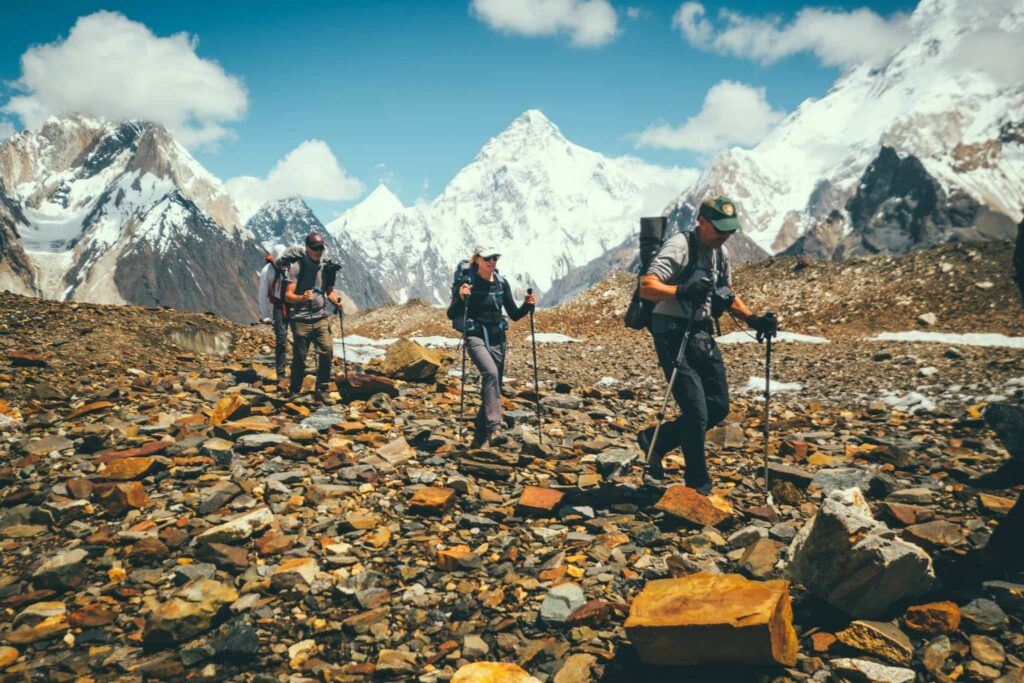
At 8,611 meters, K2 is only the second-highest mountain in the world, yet it’s far more infamous than Everest – they don’t call it the “Savage Mountain” for nothing! Its base camp is also far more remote and thus harder to reach, but still doable by most fit trekkers. This makes K2 Base Camp probably the best destination dupe for the now crowded Everest Base Camp in every way possible.
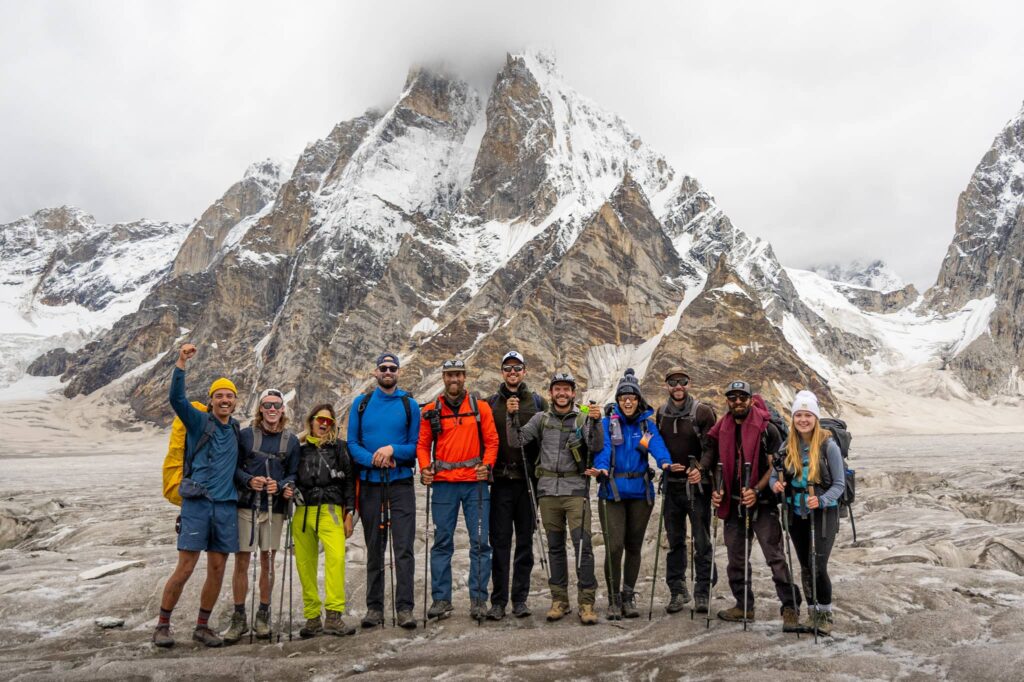
Most of the trek follows the Baltoro, the fifth-longest glacier outside the polar regions, with ice almost 170 meters deep in places. For about a week, the Trango Towers, Masherbrum and Gasherbrum IV stack up on either side, while K2 itself stays hidden until you round the corner into Concordia, the junction of glaciers known as the Throne Room of the Gods.
There are no villages between Askole and Hushe, so you’ll be camping in a tent the whole way. No villages also means no infrastructure, meaning this is a full expedition-style trek, with every piece of equipment and every grain of rice carried in by porters and mules.
In our opinion, this is the pick of the best hikes in Asia, which is why we run expeditions here every summer.
If you are up for a challenge, we recommend crossing Gondogoro La (about 5,600 m) on the way out instead of retracing your steps down the Baltoro. From the top, K2, Broad Peak, Gasherbrum I and Gasherbrum II all line up in front of you. It’s also the most challenging part of the trek. You don’t need technical mountaineering experience, but the pass should be respected, and some additional gear is required.
Turkestan Range, Kyrgyzstan – Ak-Suu and Karavshin Valleys
- Distance: 110 km
- Days: 9 trekking days
- Logistics: Border zone permit required, camping throughout, horse support available, best July to early September
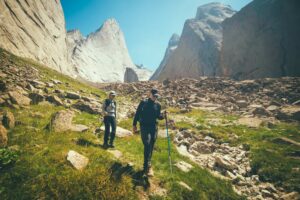
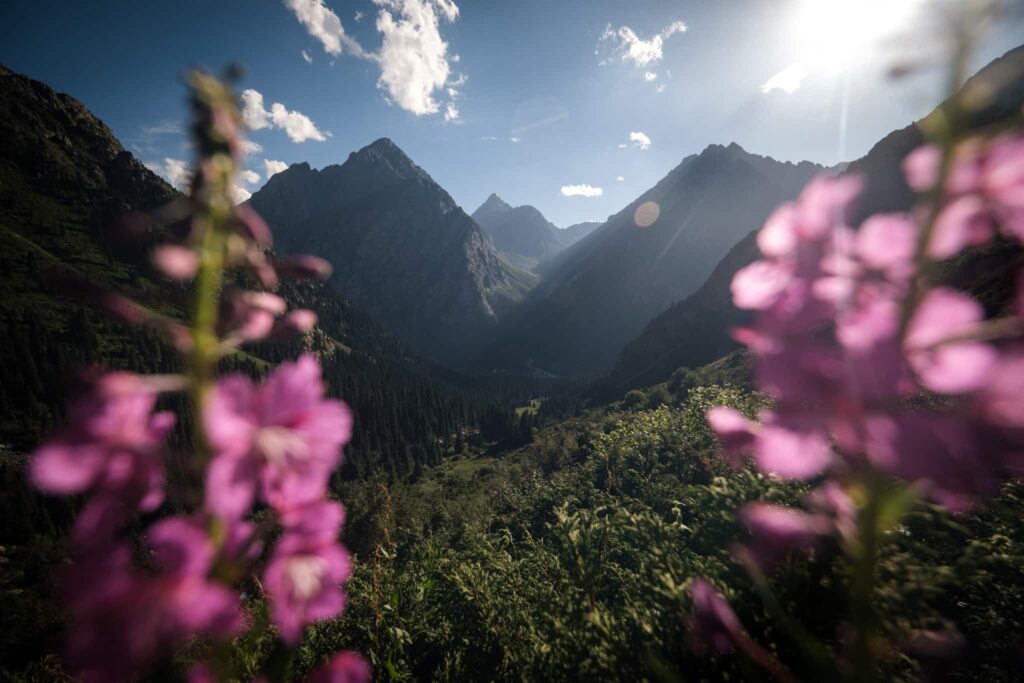
Granite towers shoot straight out of deep green river valleys in Kyrgyzstan’s Turkestan Range, with walls on par with Yosemite and almost 2 km of sheer drop in places. They call it Asian Patagonia, and it’s the real deal. This is one of the finest high-altitude treks we’ve ever done, and the crazy thing is hardly anyone has heard of it.
Specifically, we’re talking about the Ak-Suu and Karavshin valleys. The route crosses six mountain passes in about a week, topping out at 4,390 m on Ak-Tubek Pass, with almost 8 km of total elevation gain in total. Along the way, you’ll walk through juniper forest, past nomadic stone huts, and over Kara-Suu Pass for your first look at the legendary twin peaks of Asan and Usan.
This is a hell of a trek, and you could expect to have it almost to yourself – one of the best reasons to choose Central Asia as a hiking destination! We’ve hiked here for days without seeing another foreign trekker, and most nights our only visitors were sheep or cattle wandering into camp!
Kailash Kora, Tibet
- Distance: 53 km
- Days: 3 trekking days
- Logistics: Guided itinerary only, multiple permits through a licensed agency, pony or yak support available, best May to September
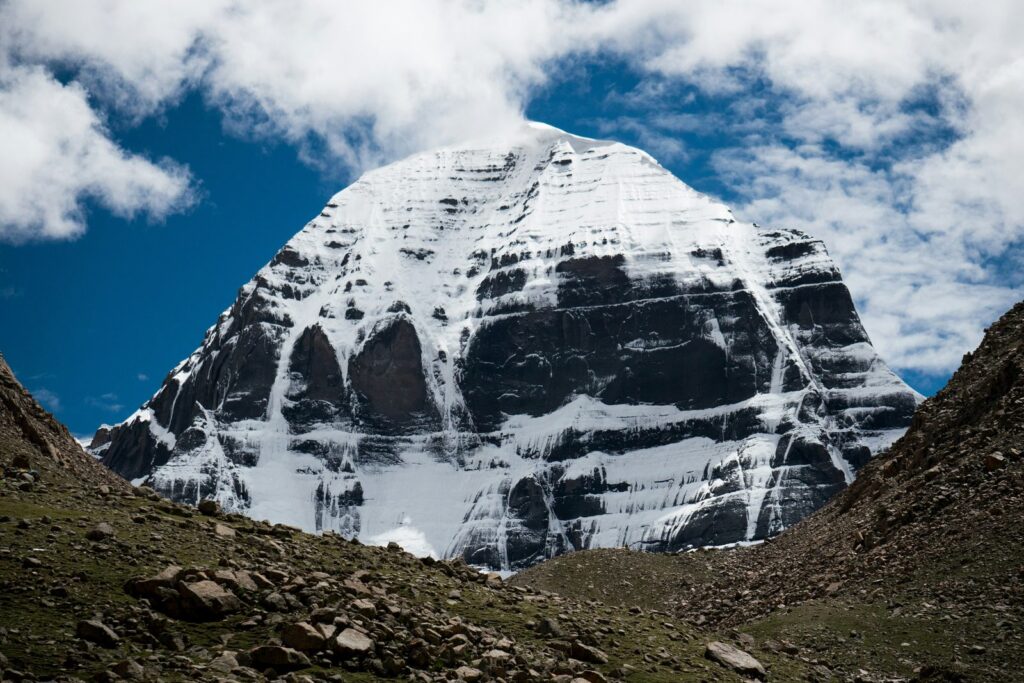
Mount Kailash is one of the most legendary mountains on our planet, and not for the reason most peaks are. In fact, there are no recorded summits of Kailash, ever, and there likely never will be. For this 6,638 m Tibetan peak isn’t just legendary, it’s holy.
For Hindus, it’s the home of Shiva. For Buddhists, it’s the navel of the universe, and for Jains, it’s the place their first leader reached enlightenment. Reinhold Messner reportedly turned down the chance to climb it in the 1980s, saying, “If we conquer this mountain, then we conquer something in people’s souls.” For a man who has conquered a lot of peaks, this says a lot.
So instead of climbing it, Kailash has made our list of epic multi-day hikes in Asia for the pilgrimage trek around it. This is a 53 km circuit from Darchen known as the kora, one of the oldest pilgrimage routes in the world.
Most pilgrims walk clockwise while Bon followers go counterclockwise, and the most devout Tibetan Buddhists complete the entire circuit in full body-length prostrations (lying flat, then moving forward one body length at a time), which takes about three weeks.
Darchen already sits at 4,670 m, so acclimatize properly first. The permits are a bigger obstacle than the pass, though. You’ll need a Tibet Travel Permit, a border zone permit, and a foreigner travel permit, all best arranged through an agency.
Altai Mountains, Mongolia – Tavan Bogd
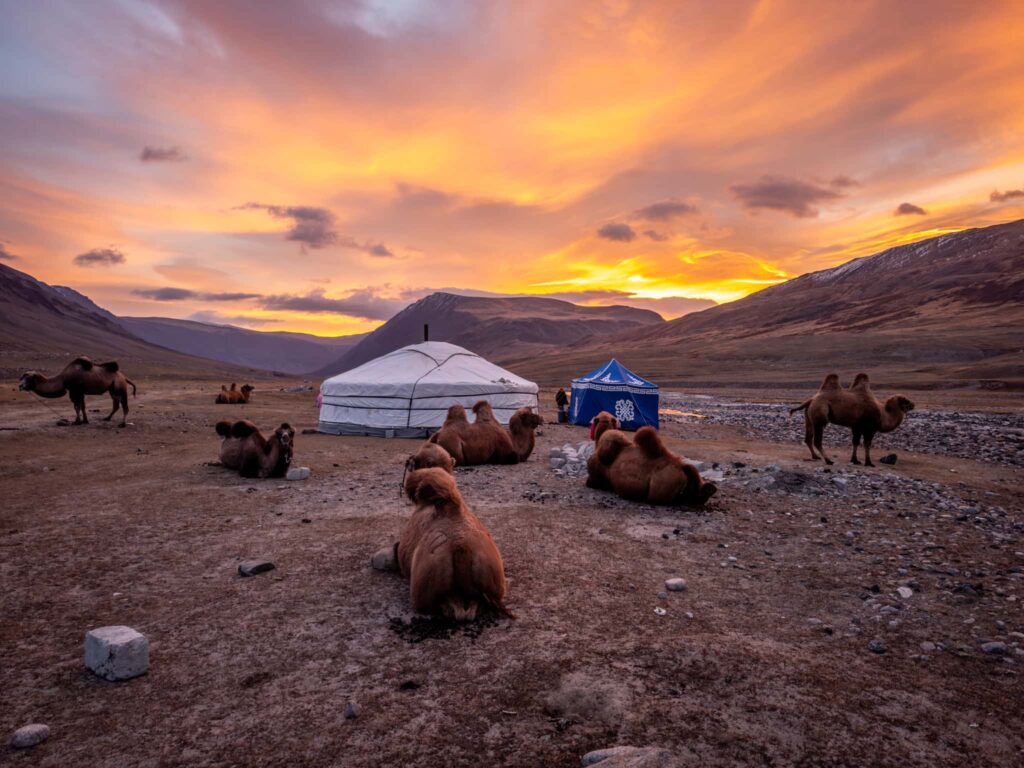
- Distance: Approx 100 km
- Days: 6 trekking days
- Logistics: Horse and camel support, camping throughout, no riding experience needed, best June to September
Mongolia’s longest glacier, the 19 km Potanin, stretches off Mt. Khuiten in the far western corner of the country, where Mongolia borders Russia and China. This is eagle hunter country, and easily one of the most remote regions we run expeditions to.
Kazakh families here still hunt with trained golden eagles, a skill said to date back 6,000 years, and an estimated 80% of the world’s eagle hunters live in this region. Further into the mountains, you’ll camp alongside Tuvan herder families and, if you’re game, try vodka distilled from yak milk.
Our preferred route through Tavan Bogd National Park is a hybrid one: you’ll spend roughly half of each day on foot and half on horseback (completely up to you) with pack camels hauling the camp and kitchen gear. The trekking takes in views of the Potanin on the way up to the Russian border, where you can make an optional, non-technical attempt on Malchin Peak (4,020 m).
Bonus: Time your trip for the Golden Eagle Festival near Olgii, where roughly 40 local hunters and huntresses gather for eagle calling contests and archery.
Sikkim, India – Goecha La
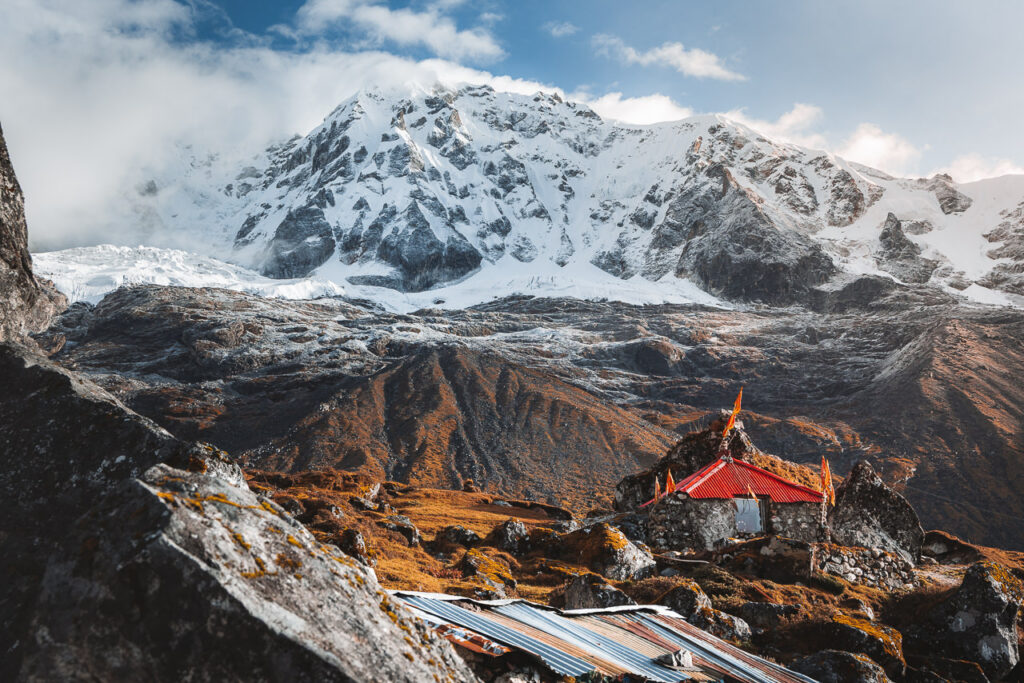
- Distance: Approx 85 km round trip
- Days: 8 trekking days
- Logistics: Restricted Area Permit and trekking permit, recognized Indian guide required, best April-May or October-November
Sikkim is far removed from what you might think of India. Forget the hustle and bustle of Delhi, because in this Himalayan region you could easily mistake it for Nepal or Bhutan. In fact, it was an independent Buddhist kingdom until as recently as 1975, and many of the families here trace their heritage back to Tibet.
This particular Asian trek starts in Yuksom, the kingdom’s first capital and home to its oldest monastery.
From Yuksom, the trail climbs into Khangchendzonga National Park, a UNESCO World Heritage Site that runs from about 1,800 m all the way up to Kanchenjunga, the world’s third-highest peak at 8,586 meters. The trek starts in oak and fir forest, where rhododendrons bloom from late April into May, and works up through alpine meadows to the rock and ice below Kangchenjunga.
Red pandas and snow leopards both live in the park; however, you’d be lucky to see either!
Dzongri La (4,417 m) is the highlight of this trek and gives you the first full panorama, with Kabru, Pandim and a wall of 6,000 and 7,000 m peaks lined up across the valley. The final push from Thansing then brings you face to face with Kangchenjunga from around 4,600 m.
Foreigners need a Restricted Area Permit plus a trekking permit for Dzongri and Goecha La, and you’ll have to trek with a recognized Indian guide.
Fann Mountains, Tajikistan – Chimtarga Col
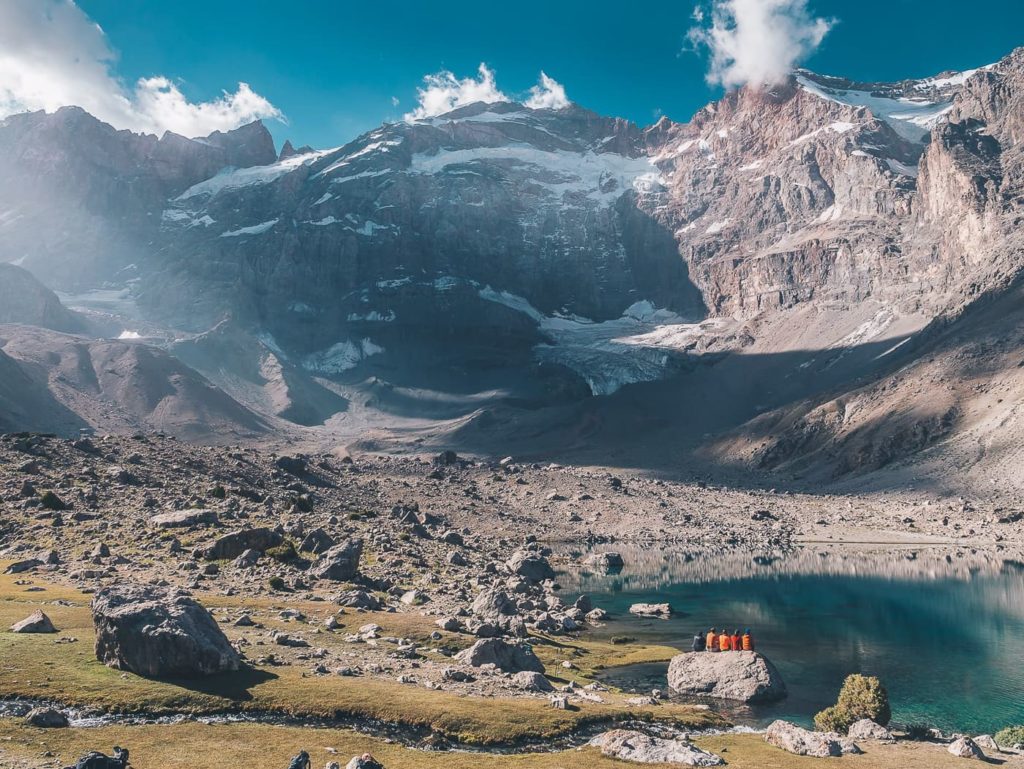
- Distance: Approx 65 km
- Days: 8 trekking days
- Logistics: Camping throughout, no maintained trails, best July-September
All the hype around the Pamir Highway means one of Tajikistan’s best mountain ranges gets overlooked. The Fann Mountains, in the west of the country, hold some of the most undervisited trekking terrain in Asia, with jagged limestone peaks dropping into turquoise lakes and ancient villages tucked into narrow valleys.
The classic route links seven high-altitude lakes, some of the clearest alpine water we’ve ever swum in, and finishes with a crossing of Chimtarga Col at 4,750 m. It’s about 30% shorter than Everest Base Camp, yet harder, with no lodges, no showers, and no maintained trails. This is a real expedition-style adventure!
You’ll pass shepherd communities on the trail, and down in Penjakent, locals like to enjoy a glass or four of local wine, despite this being a Muslim country.
Samarkand, one of the great Silk Road cities, is only a few hours away by car, which is why our Fann Mountains expedition pairs the trek with Samarkand and Bukhara.
Cardamom Mountains, Cambodia – Chi Phat Jungle Trek
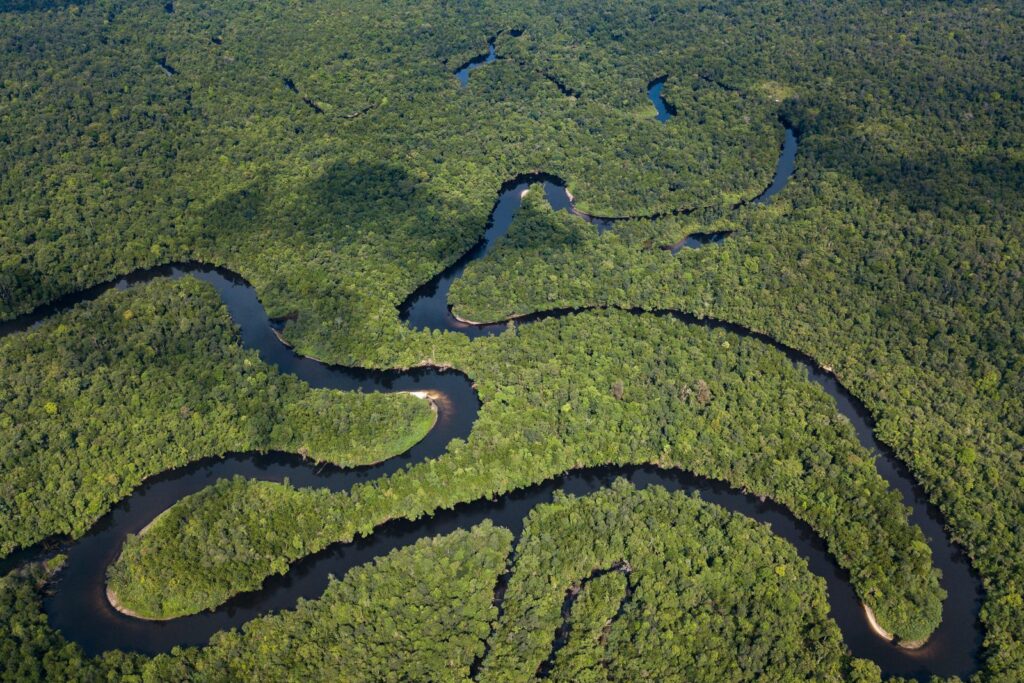
- Distance: Varies by route, up to about 18 km a day
- Days: 4 days
- Logistics: Book through the Chi Phat community ecotourism center, hammock camping with gear provided, best November-February
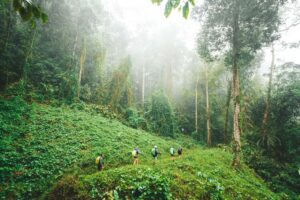
The Cardamom Mountains hold one of the largest and still mostly unexplored rainforests in Southeast Asia. This largely inaccessible range was one of the Khmer Rouge’s last strongholds, and it was the last refuge for tigers in Cambodia before they went extinct there by 2007.
In the same year, the NGO Wildlife Alliance set up a community ecotourism project in the village of Chi Phat to give locals an alternative to poaching and clearing the forest. Today, your guides are former poachers turned conservationists, and nobody knows this jungle better than these guys.
Chi Phat is about half a day from Phnom Penh by road to Andoung Tuek, then a boat upriver. From there, you’ll sleep in hammocks with mosquito nets at basic forest camps and cool off in waterfall pools along the way. The forest is home to pileated gibbons, sun bears, clouded leopards, and one of Southeast Asia’s largest protected wild elephant populations.
In terms of altitude, this is the lowest trek in this guide, and quite a different Asian trekking experience altogether. Hot, humid jungle trekking is better done in the dry season, and it’s a good idea to avoid March to May.
Snowman Trek, Bhutan
- Distance: Approx 350 km
- Days: 20+ trekking days
- Logistics: $100 per night Sustainable Development Fee, camping throughout, season June to October
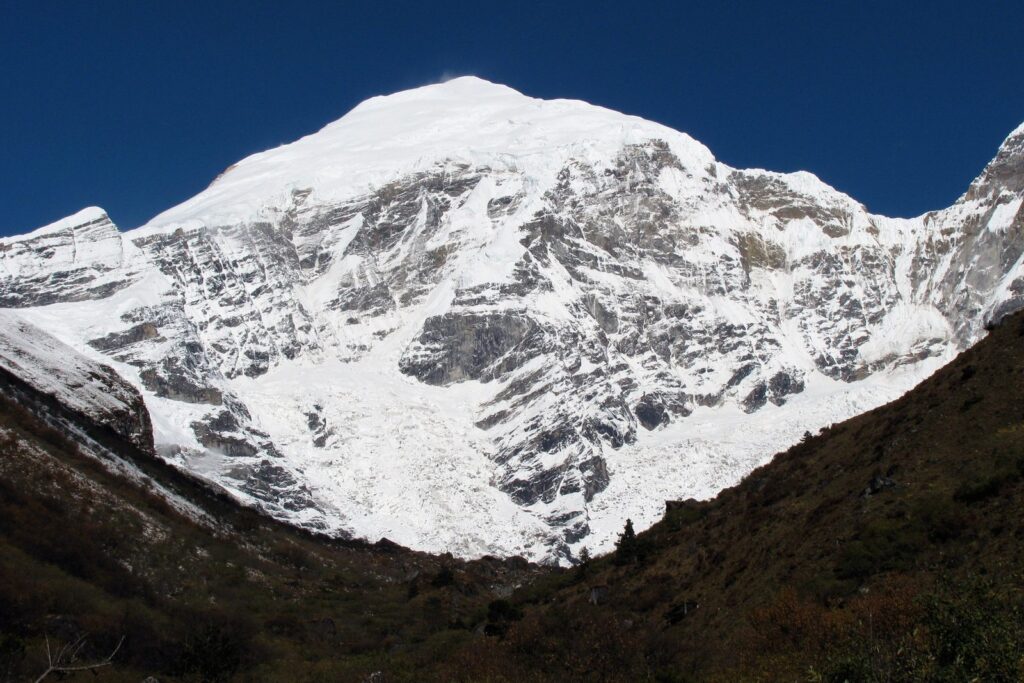
Bhutan’s own tourism board calls the Snowman “the toughest trekking trail Bhutan has to offer”. It is arguably one of the toughest alpine treks in the world according to those that have attempted it.
The route covers roughly 350 km over 13 passes, topping out at 5,320 m, and usually takes about 27 days.
The trail was first worn in by yak herders, and it runs through Lunana, where about 800 people live across 13 villages in Bhutan’s far northwest. Along the way, you’ll look up at Jomolhari and Gangkhar Puensum, which at 7,570 m, is the highest unclimbed mountain in the world and a particularly beautiful one. Bhutan banned all mountaineering in 2003, so it’s likely to stay unclimbed.
This trek is truly epic, but it isn’t cheap. Bhutan charges most international visitors a Sustainable Development Fee of $100 per night, which comes to about $2,700 in fees alone just for the 27 nights trekking, and this doesn’t include the contingency days and time in Bhutan before and after the hiking!
Combined with the difficulty, it’s no surprise so few people attempt it – but for a bucket-list trek through one of the most remote corners of the Himalayas, it’s hard to leave the Snowman off a list of the best treks in Asia.
Karakoram, Pakistan – Snow Lake Trek

- Distance: 115 km
- Days: Approx 12 trekking days
- Logistics: Roped glacier travel in places, camping throughout, best July-August
The mountaineer Eric Shipton called this corner of the Karakoram “the last blank on the map,” and Martin Conway called it “beyond all comparison the finest view of mountains it has ever been my lot to behold.” Snow Lake itself is a glacial basin over 16 km wide at the head of the Biafo and Hispar glaciers in Pakistan’s Karakoram Range, which together form the longest glacial system outside the polar regions.
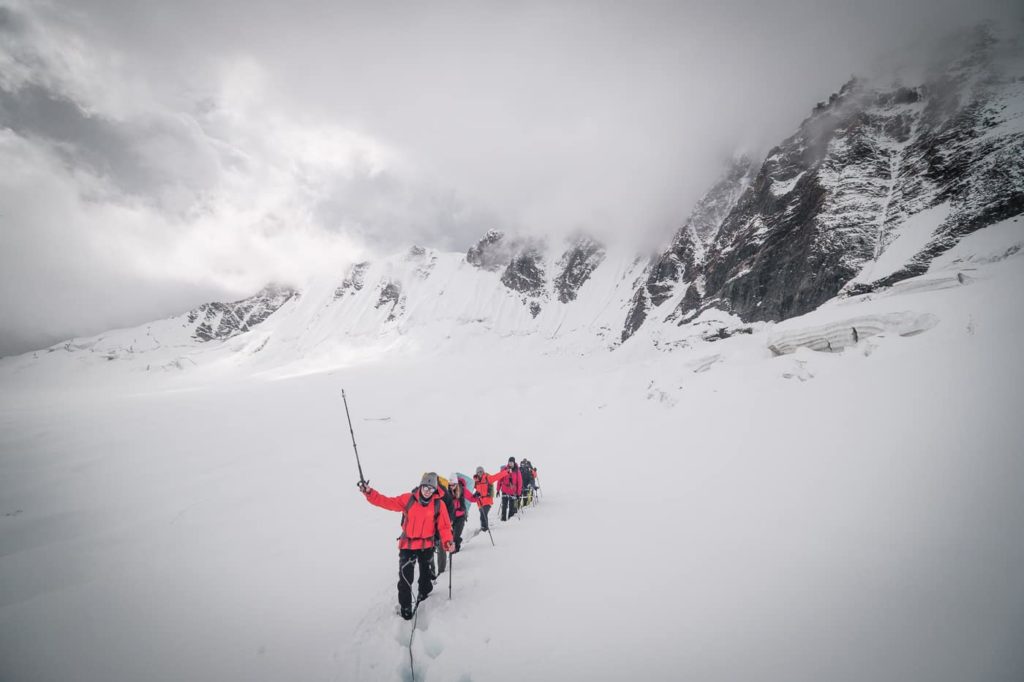
The trek starts in Askole, same as K2 Base Camp, then heads up 67 km of the rubble-strewn Biafo, under the Latok group and The Ogre (7,285 m). From Snow Lake, you cross Hispar La at about 5,150 m and drop down the much icier Hispar toward Hunza, roping up through the crevasse fields. This remote wilderness is also one of the last strongholds of the Himalayan bear, ibex, markhor, and snow leopard.
Compared to K2 Base Camp, Snow Lake is more technical, more isolated, and one of the least trafficked long-distance routes in Pakistan. On our Snow Lake expedition in 2022, we were the first of 28 teams that season to cross Hispar La, and we did it in a total whiteout.
Wakhan Corridor, Afghanistan – Little Pamir
- Distance: Approx 120 km one way
- Days: About 2 weeks
- Logistics: Experienced local operator essential, camping and herder camps, summer only
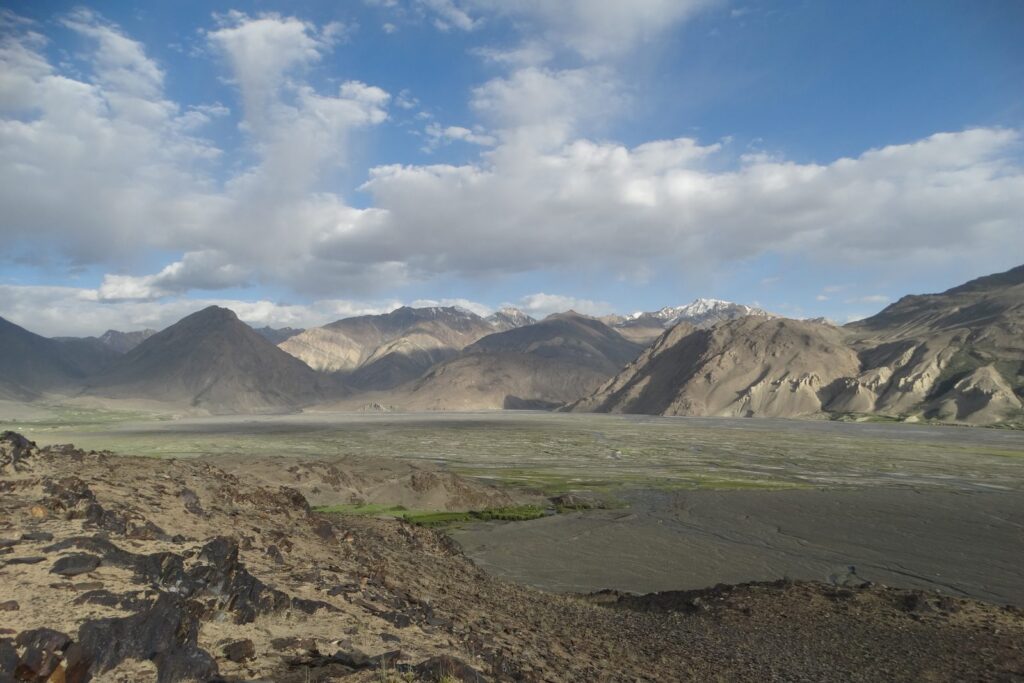
The Wakhan Corridor is a 380 km finger of northeast Afghanistan that stretches all the way to the Chinese border, squeezed so tightly between Tajikistan and Pakistan that the two are only 8 km apart in some places. Marco Polo passed this way on the Silk Road, yet today only around 100-300 international visitors make it here per year, making it one of the most remote and least visited valleys on earth.
Treks usually start from Sarhad-e-Broghil (about 3,300 m), in Wakhi country. Generations ago, many Wakhi families crossed the mountains into Hunza, and the language is still spoken on both sides of the border.
From there, it’s five hard days into the Little Pamir, where Kyrgyz herders bring their animals to summer pasture around Lake Chaqmaqtin at 4,000 m. This is all part of Wakhan National Park, home to Marco Polo sheep and ibex.
Access to the Wakhan can change from one season to the next, and this is Afghanistan. So only go with an experienced local operator.
Honorable Mention: Hkakabo Razi, Myanmar
- Distance: Varies (no set route)
- Days: About 4 weeks to base camp
- Logistics: Approach from Putao in Kachin State; check current travel advice before planning anything
When you think of Southeast Asian landscapes, you probably think of jungle, beaches, and coral reefs. It might come as a surprise then to find out that Myanmar, of all countries, is home to a 5,881 m peak.
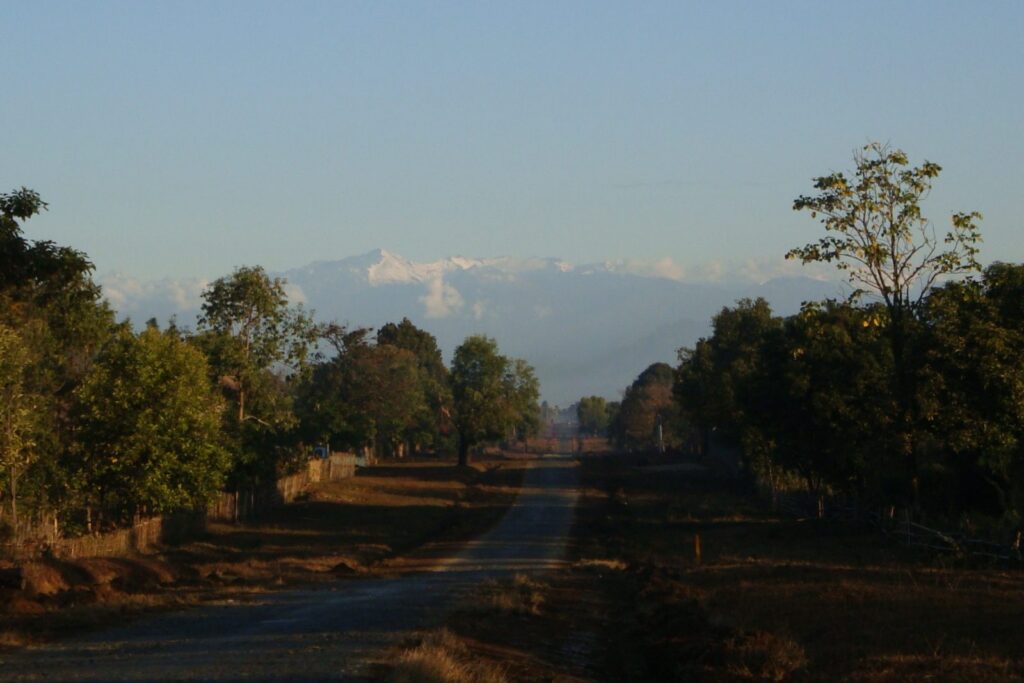
Hkakabo Razi is believed to be the highest mountain in Southeast Asia, and it sits in the far north of Myanmar, in an outlying corner of the Himalayas close to the borders with India and China. This is a mysterious peak. Foreigners weren’t allowed into the area until 1993. Three years later, in 1996, the Japanese climber Takashi Ozaki and Nyima Gyaltsen of Myanmar made the first ascent.
Today, even the height is still up for debate. In 2013, a GPS survey put nearby Gamlang Razi at 5,870 m, and Hkakabo Razi has never been measured the same way.
Getting to the foot of the mountain is the trek itself. From the trailhead, the walk to base camp takes around four weeks through dense rainforest and over many unbridged stream crossings.
We’ve made this one an honorable mention because many foreign governments currently advise against all travel to Kachin State. For now, it stays on our list for when the region opens up again.
Still Great, but Busy: Teahouse Treks, Nepal
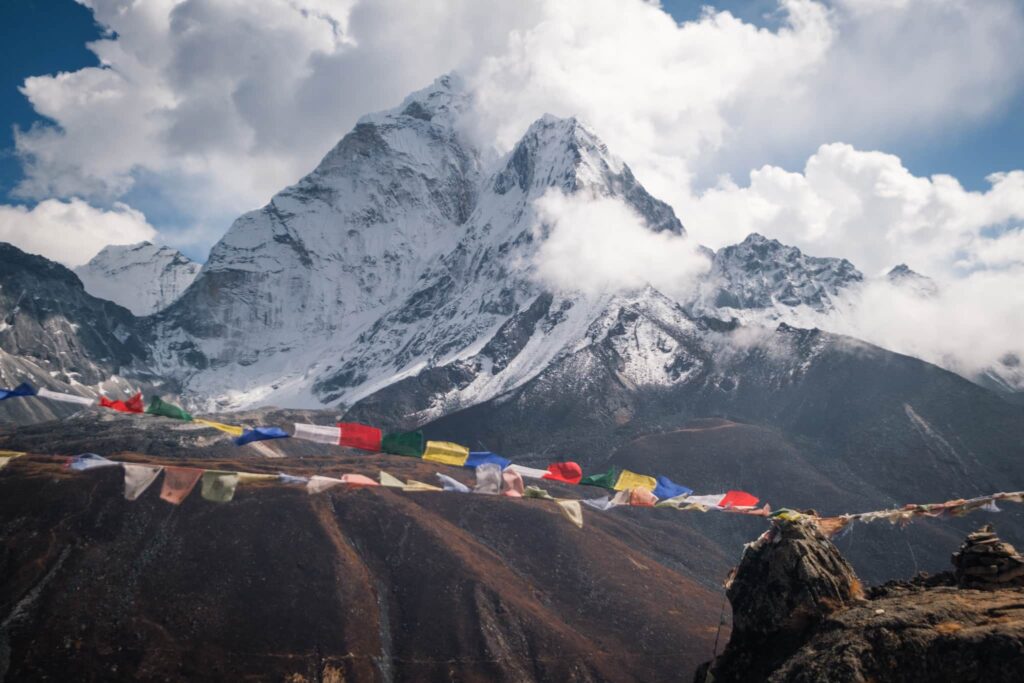
At the start of this guide, we said the classic teahouse routes are becoming overdone. To exemplify that in numbers, Sagarmatha National Park (home to Everest) now sees more than 52,000 trekkers and climbers every single year.
The vast majority of that traffic is on the famous Everest Base Camp route. Along the way, you’ll find teahouses with Wi-Fi hotspots and, in peak season, there can now even be queues at famous viewpoints like Kala Patthar.
But is it worth it? We love Nepal. And we’re firm believers that all lovers of mountains and hiking should do a teahouse trek at least once in their life. However, Everest Base Camp itself is now a bit overdone, to say the least.
For a quieter teahouse trek, the Manaslu Circuit and the Langtang Valley see far fewer people. If your heart is set on Everest and the Solukhumbu, the Three Passes trek lets you visit Base Camp on a single day and stay off the main trail for most of the route. The Gokyo Lakes circuit is another good way to see the big peaks with less company.
The Annapurna Circuit is heading the same way as Everest. There has been a lot of infrastructure development in this region, which is great for the local people, but the new roads reach a long way up both sides of the circuit, which brings in more people and means you’re walking a road rather than a hiking route for much of it.
Luckily, this is still the Himalayas, and Nepal has plenty of great treks left. Our Lobuche East trip goes via Gokyo to stay clear of the busiest stretch of the Khumbu.
If you want the big-mountain payoff of Everest Base Camp without the crowds, K2 Base Camp is the pick of our hiking tours in Asia!
You can check out our trip page for more information.