Key Takeaways:
- Most western countries have Mongolia at their lowest travel advisory level, and serious crime against travelers is rare.
- The real dangers lie in the remoteness: dirt roads, no phone signal for days, and basic hospitals outside Ulaanbaatar.
- Mongolia is cold! Snow and whiteouts are possible in the mountains during any month of the year.
- In Ulaanbaatar, the hassles are pickpockets, traffic and winter air pollution.
- The health risk that stands out is rabies. Avoid the dogs! Call out before walking up to a ger.
- Outside of the capital, a good local driver and guide make the biggest difference to how safe your trip is.
When you think of Mongolia, you probably picture Chinggis Khaan, rows of white gers on an endless steppe, or the eagle hunters of the far western mountains.
Then there’s the other side of it. Lying between Russia and China, Mongolia is a big, empty country. In fact, the most sparsely populated country on earth – with only about two people per square kilometer! So it is fair to ask: what happens if something goes wrong out here?
After running treks in the Altai Mountains, we can say with confidence that Mongolia is a very safe country to visit. No, you won’t be mauled by hordes of Mongol horsemen; the real, modern dangers in Mongolia come from its remoteness. That is, long days on dirt roads, snow and whiteouts that can roll in without much of a warning, and the fact that a lot of the time, you’re a long way from the nearest hospital.
Below, we cover safety in Mongolia, from the advisories and health risks to what we do on our own trips.
What is Mongolia Known For?
A Big History
In 1206, Chinggis Khaan united the Mongol tribes. Within a few decades, he and his heirs had built the largest contiguous empire in history, which spanned from China all the way to Eastern Europe.
The 20th century, however, was relatively quiet, at least to the outside world. Like its two big neighbors, Mongolia had its time with communism. In 1924, it became the Mongolian People’s Republic, and for the next 66 years it was a Soviet state in all but name. Very few Western travelers made it in during that time.
Everything changed in 1990. Peaceful protests and hunger strikes in Ulaanbaatar led to Mongolia’s first multi-party elections that same year, and the country has been a democracy ever since.
Mongolia Today
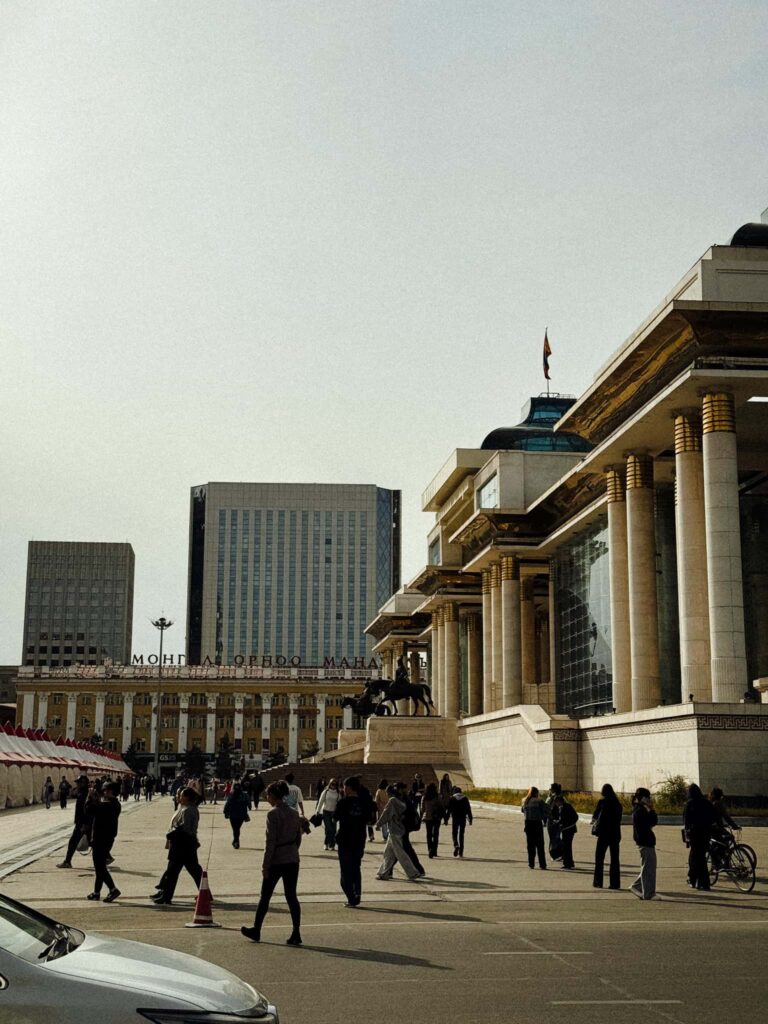
Only about 3.6 million people live in Mongolia, and out of that, almost half live in the capital city, Ulaanbaatar. Many first-time visitors are surprised at how busy and modern this capital is, which is very different from the rest of the country.
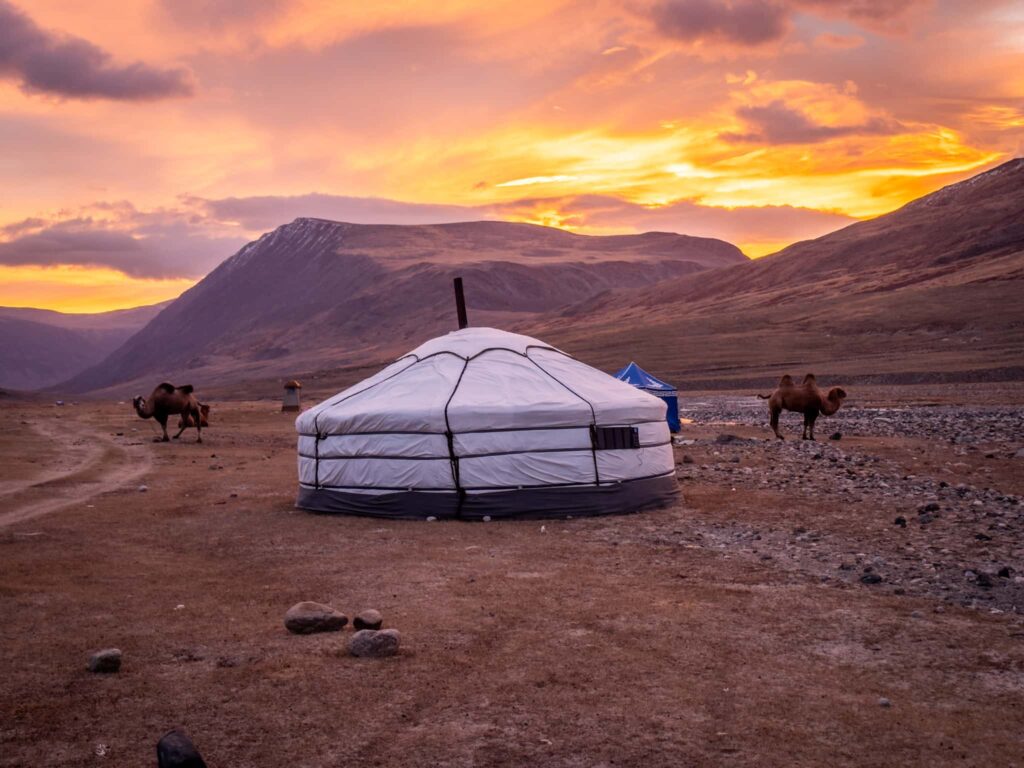
Outside of Ulaanbaatar, nomadic culture is still present. Today, many families still herd horses, sheep, goats, yaks, and camels and move their gers between the summer and winter pastures. It’s a hard, self-reliant way of life. Being invited into a ger for a cup of milk tea is normal out there and visitors are treated with respect and the same is expected back.
Land and Climate
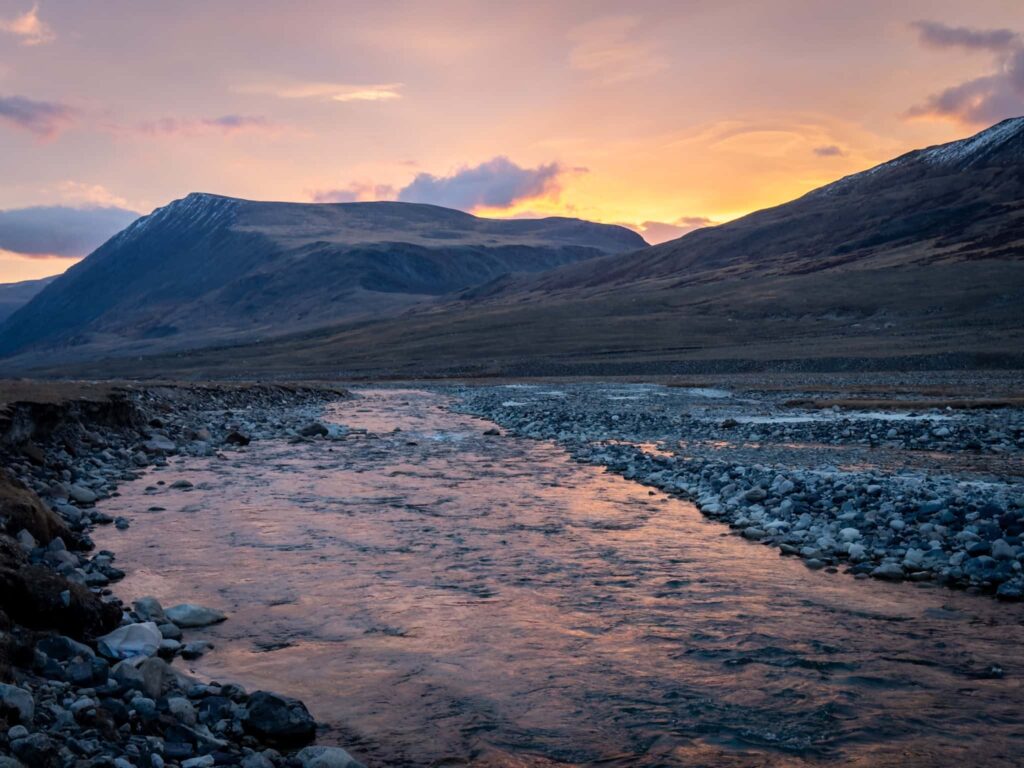
Mongolia is a huge, landlocked nation. The Gobi Desert dominates the south, the Altai Mountains line the far western border, and the steppe takes up a large chunk of the middle.
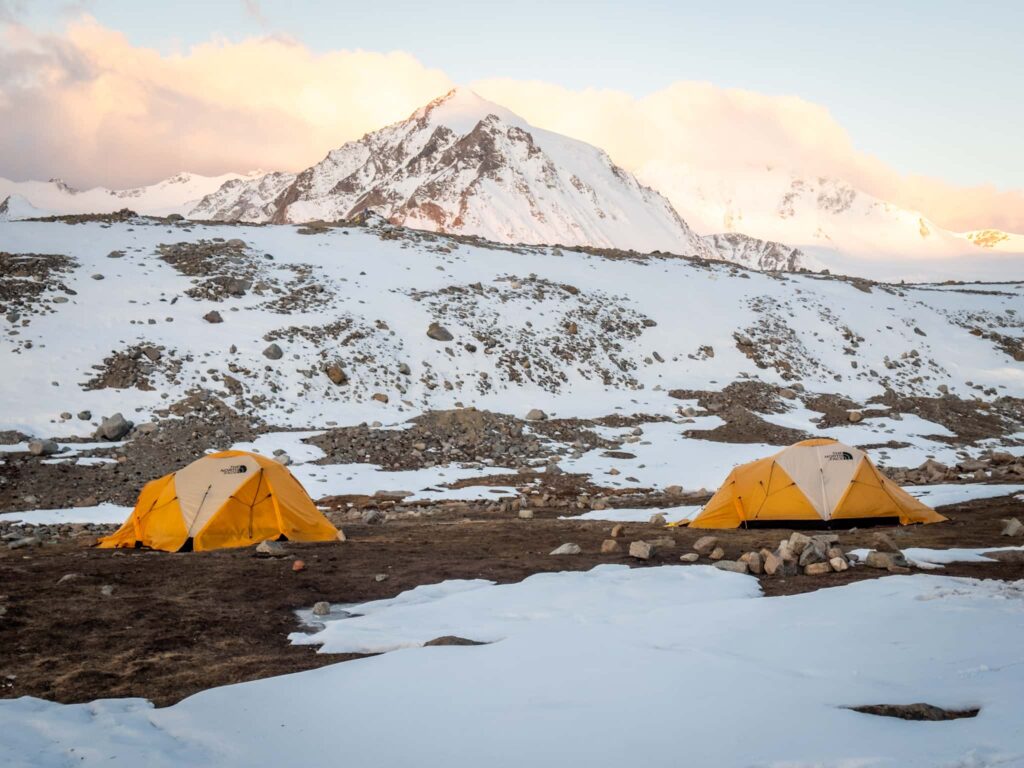
Mongolia can also get very cold. Ulaanbaatar is the coldest national capital in the world no less, and temperatures can get as low as -40°C (-40°F) in winter. Snow can fall in the mountains any month of the year, including on our September treks in the Altai.
The Most Significant Safety Issues
Mongolia has very little of the big, scary headline stuff. There is no recent history of terrorism and no armed conflict in the country. Mongolia is currently ranked 34th out of 163 countries in the Global Peace Index.
Politics, however, can be a bit spicy in Ulaanbaatar. In 2025, the prime minister resigned after weeks of protests over his son’s spending, and parliament voted in a new prime minister. Protests, almost exclusively in Ulaanbaatar, do happen from time to time but the government advisories just say to steer clear of them.
So what should we really look out for? The risks that actually affect travelers like us come from the remoteness.
Everyday Safety Concerns
- Roads – Only about 10% of Mongolia’s roads are paved. Outside of Ulaanbaatar most of the driving is on dirt tracks. The WHO estimates that only 30% of drivers in Mongolia wear a seat belt, so make sure to wear yours even if no one else in the car is!
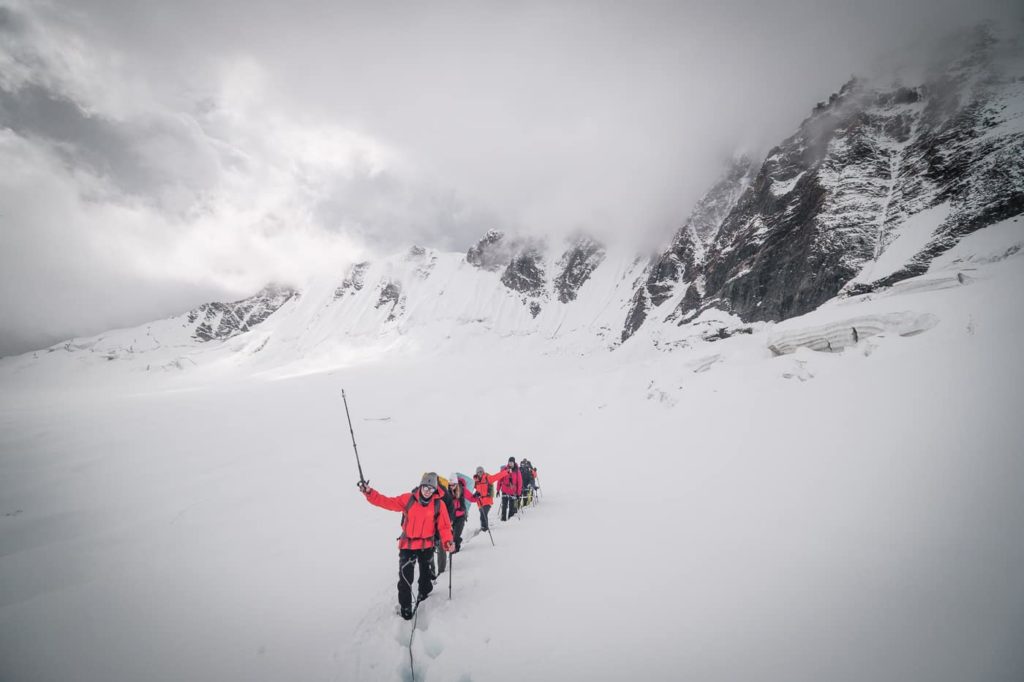
- Weather – In the mountains, snow and whiteouts can happen in any month of the year. Conditions can change quickly even in the summer, which raises the risk of hypothermia.
- Medical care – Outside of Ulaanbaatar, the hospitals are basic. If you are seriously injured, you will probably end up being evacuated, which is expensive and can be delayed due to bad weather. Make sure you have travel insurance with medical evacuation included.
- No phone signal – Large parts of rural Mongolia do not have any network coverage. In the Altai, you can’t count on a signal, so a satellite communicator is good to have.
- Dogs – Rabies is common in Mongolia and is carried mainly by dogs. Treatment after a bite may be limited outside of Ulaanbaatar. Ger dogs are protective of their families and their flocks, so make sure you call out before walking up to a ger.
- Petty crime – Pickpocketing does occur in the crowded areas of Ulaanbaatar. We will talk more about the capital in its own section below.
Fuel Shortages in 2026
In 2026, the UK, Canadian and Australian governments have issued warnings about nationwide fuel shortages in Mongolia, including aviation fuel. Domestic flights and road transfers can be disrupted with little notice.
This is a good reason to have a spare day at the end of your trip in case shortages cause delays.
What is Mongolia like for Female Travelers?
Harassment and sexual assault of foreign women do get reported in Mongolia but this is most commonly in Ulaanbaatar. One of the places where this can occur is on crowded city buses.
Crime overall also increases around the time of Naadam in July, Tsagaan Sar (the Lunar New Year), and the summer tourist season.
So does that apply to a trek in the Altai or a trip to the Gobi? Much less so.
Out on the steppe and in the mountains, it’s a different story. Life revolves around the family and the herd, and a foreign woman arriving at a ger is welcomed in as a guest. Looking after guests is a point of pride for herding families.
Here are a few tips to follow while you are in Ulaanbaatar:
- Taxis – You’ll want to use licensed taxis or the UBCab app, or have your hotel book one for you, as there have been reports of taxi drivers robbing passengers.
- Buses – The reports we could find online of unwanted contact almost all come from crowded buses, so a taxi is the easier way to get around the city.
- Nights out – It’s best to go out with people you know and to keep an eye on your drink.
- Festivals – Around Naadam and Tsagaan Sar, you can expect bigger crowds and a lot more drinking in the city.
What to Wear
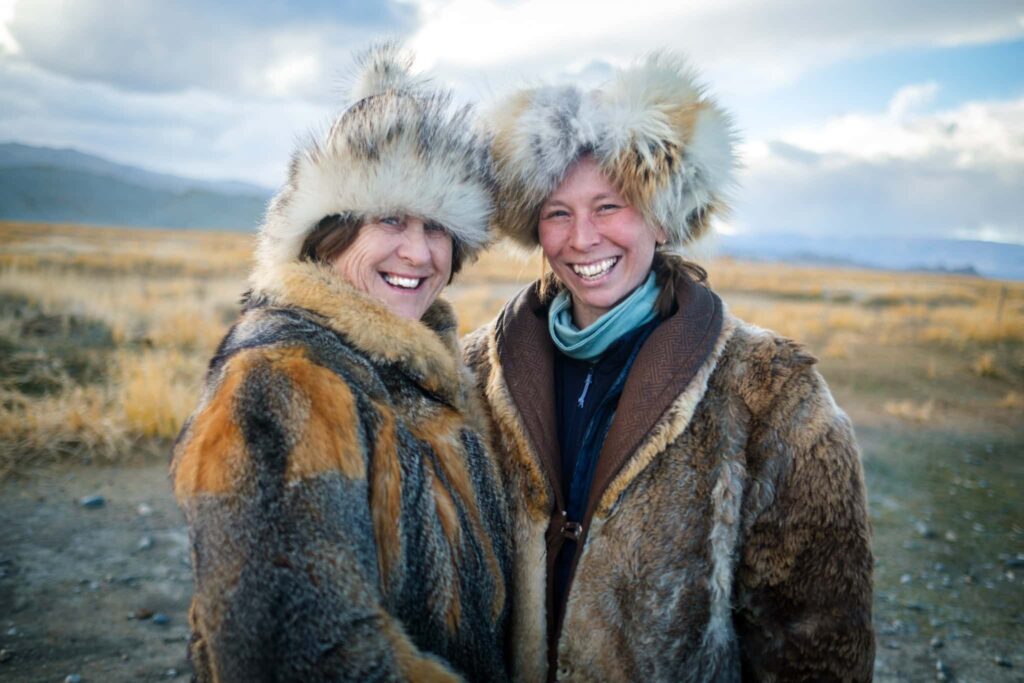
In Ulaanbaatar, dress is casual and simple, and jeans and other casual clothes are fine.
Once in the Altai, Bayan-Ölgii is a majority Kazakh and mostly Muslim province. When visiting local families, it’s good manners to keep your shoulders and knees covered.
When you’re on the trek, you should dress for the weather and conditions. Warm layers, long sleeves, and long pants are the best options for both men and women.
Is it Better to Visit Mongolia Alone or with a Group?
Besides the traffic, which can be horrid, Ulaanbaatar is a fairly straightforward city to visit on your own. That said, unless you are in Mongolia for business, chances are you’re here to see more of the country than just the capital.
Traveling the rest of Mongolia on your own is possible, but we wouldn’t say it’s easy. It is a very good country for group travel, and the reasons for that are all related to how remote things are:
- Distances – The places worth seeing are often a long day’s drive apart, mostly on dirt tracks with very few signposts. You’ll want a 4×4 and a local driver who knows the way.
- No signal – Outside the towns, there’s often no phone signal to check a map or call for help. Often the “tracks” are not marked on maps.
- Language – English is not widely spoken outside of Ulaanbaatar. Having a good local guide is very useful for directions, buying supplies, or even renting a Ger for the night.
- Fuel – Due to the historical shortages, fuel can be very hard to find in remote parts of the country. There were limits in place for how much fuel you could buy, and long lines that were confusing to understand who had priority on fuel.
- Camps and supplies – In the mountains, every night’s camp, every meal and all the drinking water has to be carried in by horse, camel, or 4×4 so there is a lot to arrange ahead of time.
Border-Zone Permits
Land up to 100 km inside Mongolia’s borders can be treated as a border zone. Foreigners may need to have permission from the State Frontier Guard Authority to enter these.
Altai Tavan Bogd National Park sits right where Mongolia meets China and Russia. Treks to this park can fall inside of a border zone and therefore permits are required.
This is something that a good operator will sort out for you well in advance.
Is Ulaanbaatar Dangerous or Unhealthy?
So, is Ulaanbaatar safe? Walking the streets of Ulaanbaatar has always felt safe to us. The primary crime to be wary of is pickpocketing in busy locations like the Naran Tuul “Black Market,” the State Department Store, and Gandan Monastery. Though we don’t want to overstate it, we frequently visit these places with groups and have never had any issues.
Traffic
The biggest daily nuisance is traffic. This is a big issue in Ulaanbaatar. Though one is desperately needed, there is no metro or tram system in the city, so all transport is by road. The city has limited the number of license plates to 730,000 in an effort to reduce congestion.
Traffic becomes even worse in late August and September when the school year begins. In 2025, the city instituted additional odd-even plate rules from August 27 to September 16 to deal with it.
As a pedestrian, be careful at crossings as drivers don’t always give way. Allow plenty of time for any cross-town transfers, especially to Chinggis Khaan International Airport, which is about 50 km south of the city.
Air Pollution
Ulaanbaatar has ranked as one of the 10 most polluted cities in the world and winter is when the city suffers the worst. From October to March, the residents of the ger districts burn coal in their stoves to keep warm.
On particularly freezing, still days, the smoke is trapped over the city together with vehicle fumes. If you suffer from asthma or any other lung or sinus condition, the winter air can make it worse.
Health, Food, and Sanitation Considerations
Vaccinations
Before visiting Mongolia, be sure to consult with your doctor or a travel clinic regarding vaccinations.
The one that stands out for Mongolia is rabies. Rabid dogs are common in Mongolia and if bitten while away from the big cities, there may not be a treatment available in time. A pre-exposure course is worth asking your doctor about.
Food and Water
Mongolian food is all about meat and dairy, especially mutton. Vegans and vegetarians may struggle in many parts of Mongolia, but it’s not impossible.
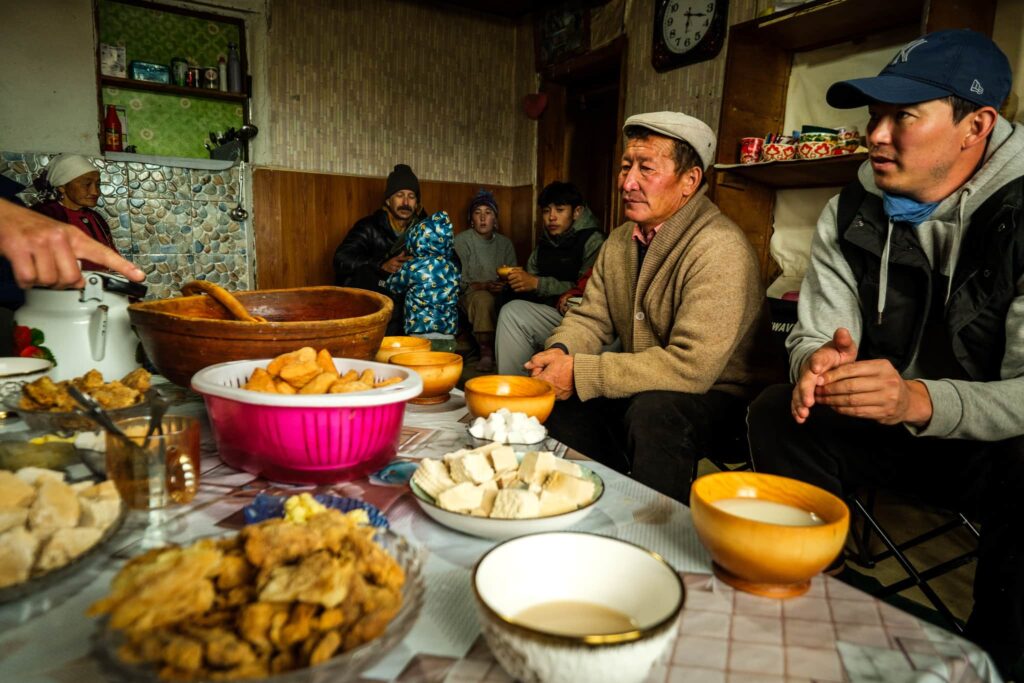
Airag, which is fermented mare’s milk, is commonly offered to guests, though it can be a bit of a shocker to your stomach. A small sip is a good way to give it a try. Same goes for yak butter.
Generally speaking, all water should be filtered or at least boiled, including in the capital. On our trips, our cook team makes sure that all of the drinking water is boiled. We also advise everyone to bring along a Grayl filter bottle for extra measure. They are invaluable in places like this!
Sheep, goats, yaks, and horses all graze along the rivers and streams in the Altai. Even the clear mountain water can carry bacteria from upstream. With a filter, you can safely top up from a stream while out on the trail.
Marmots and Plague
Surprisingly, bubonic plague still turns up in western Mongolia, carried by marmots and their fleas. In July 2026, we heard of a plague case in Bayan-Ölgii, linked to marmot meat eaten in Ulaankhus soum. That said the risk to travelers is very low and the rule is simple: just don’t eat marmot!
Governmental Advisories
If you are traveling to Mongolia for the first time, you will probably look up your own country’s travel warnings. As of the time of this post, the US, UK, Canada, and Australia have all put Mongolia at their lowest level:
- US Department of State – Level 1, Exercise Normal Precautions. American travelers can also visit Mongolia visa-free for up to 90 days.
- UK FCDO – No part of Mongolia is advised against.
- Canada – Level 1, Exercise normal security precautions.
- Australia (Smartraveller) – Exercise normal safety precautions, the lowest of its four levels.
The contents of each country’s advisory are pretty much the same: petty crime in Ulaanbaatar, dangerous roads, extreme weather, and, in 2026, the fuel shortages. All the things we have mentioned here.
Just remember that things change, and can do so very quickly. Before visiting Mongolia, or any country in fact, we always suggest reading your own government’s country advisory in full. They usually cover the worst-case situations.
Cultural Considerations
Ulaanbaatar is a very modern, cosmopolitan city, and you can dress, eat, and do as you would back home. When you head out into the countryside though, traditions are stronger and it is good to know a few customs before visiting somebody’s home.
Ger Etiquette
When you visit a ger, you’ll usually be offered a bowl of milk tea soon after you sit down. You’ll want to take the bowl in your right hand (or both), and have at least a sip. Handshakes are right-handed as well.
It’s also good manners not to step on the threshold when entering or leaving the ger. When there are guests, vodka often comes out for toasts, and it’s ok to politely say no.

Photography, Police and Your Passport
You’ll need to carry your actual passport with you, as police can ask to see it and a photocopy won’t do. It’s best not to take pictures of police or military sites.
With most people, it’s polite to ask before taking a photo, especially with families at their gers.
Outdoor Activities: Visiting the Steppes and Horse Riding
Crossing the Steppe
Much of central Mongolia is wide open windswept steppeland. To cross it usually means long days in a 4×4 on dirt tracks between ger camps. The tracks split and rejoin all the time, sometimes randomly. Without a driver who knows the area, it is easy to lose your way.
Search and rescue services are extremely limited in rural Mongolia. Bad weather can delay or even stop an evacuation. If you are going on your own, make sure to pack extra water, food and warm layers, and a satellite communicator is useful.
Trekking in Altai Tavan Bogd
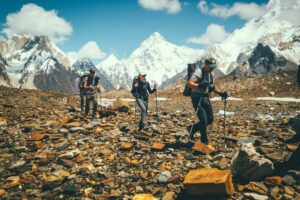
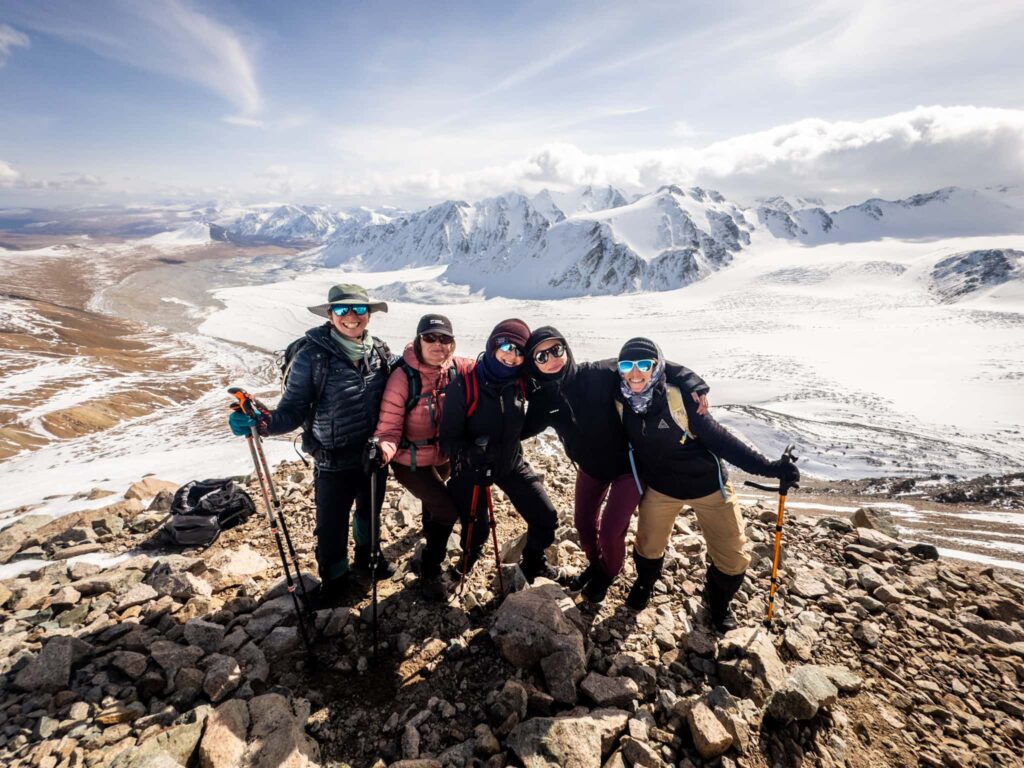
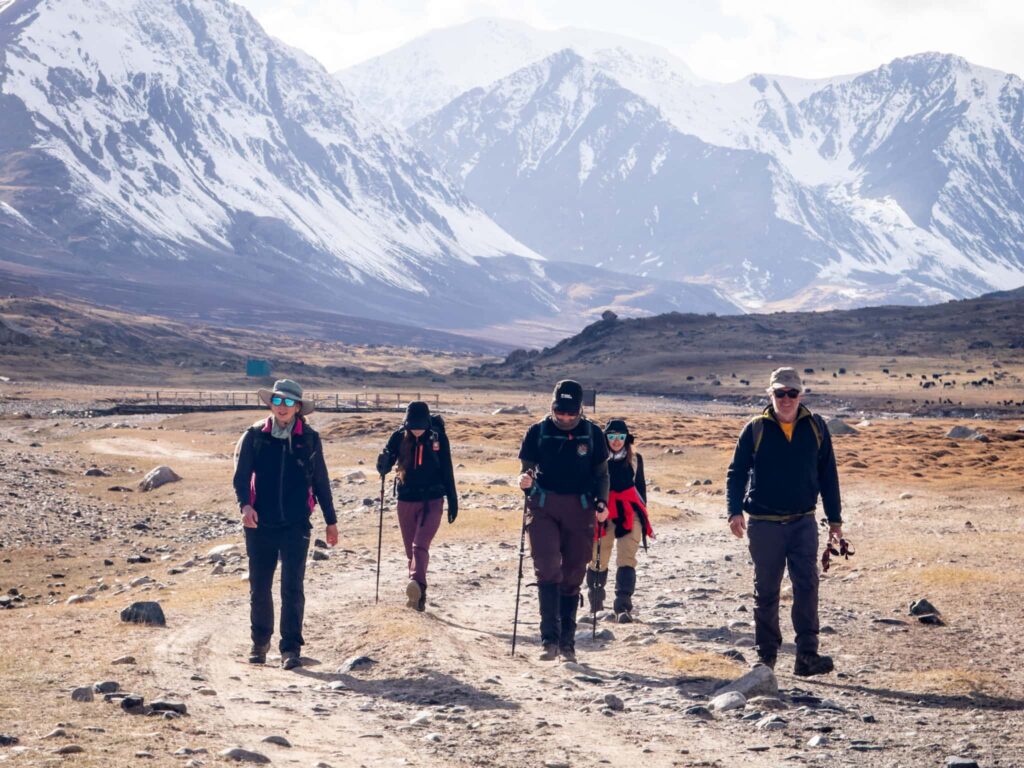
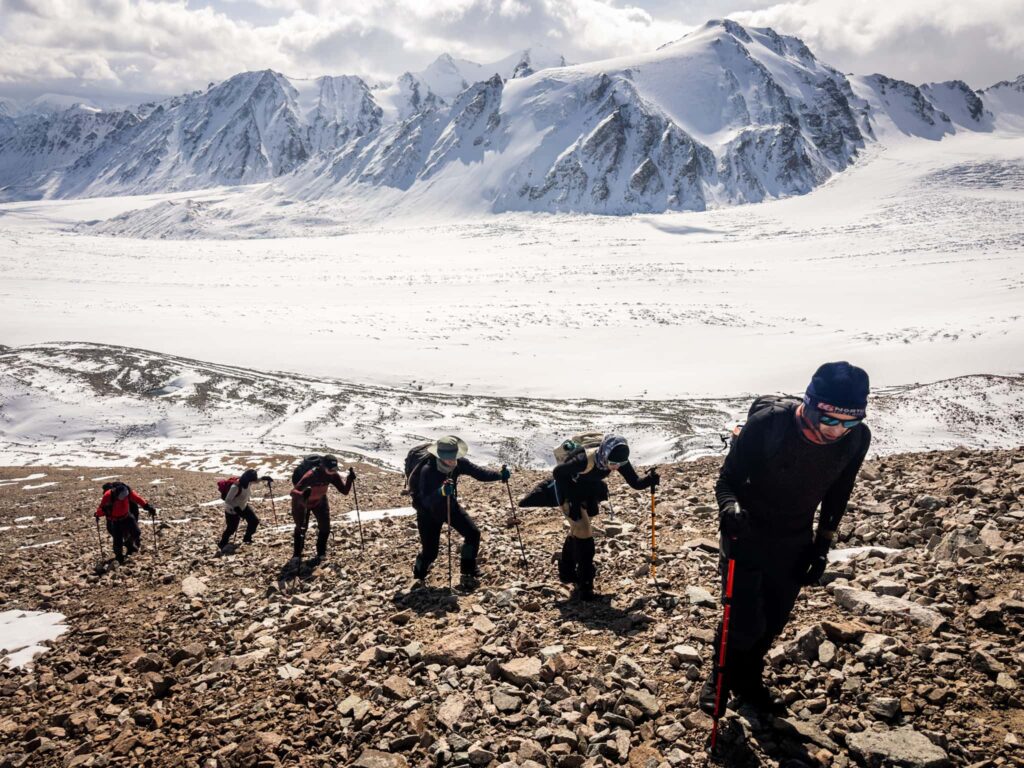
Altai Tavan Bogd National Park is located in the far west of Bayan-Ölgii where Mongolia shares a border with both China and Russia. It’s home to Khüiten Peak, the highest point in Mongolia at 4,374 m, and the Potanin Glacier, the largest glacier in the country.
The park is very remote, and there is no phone signal for days at a time. A good operator will handle the border-zone permits, camps, and pack animals. On our own 15-day Altai trip, we’re offline for about a week, and our trip leader carries a satellite communicator that can reach emergency responders from anywhere in Mongolia.
Visiting the Gobi Desert
The Gobi stretches across southern Mongolia and into China. Temperatures in the Gobi are about as extreme as they come. We’re talking lows of -40°C (-40°F) in January and highs of up to 45°C (113°F) in July. Nights can get pretty cold even after a hot day.
Spring is dust storm season in the Gobi, especially in May and June. A storm can cut visibility dramatically. This is a desert, so water is scarce. You’ll want to bring more than you think you will need, plus plenty of sun protection.
Horse Riding
For a horse riding vacation, Mongolia is hard to beat!
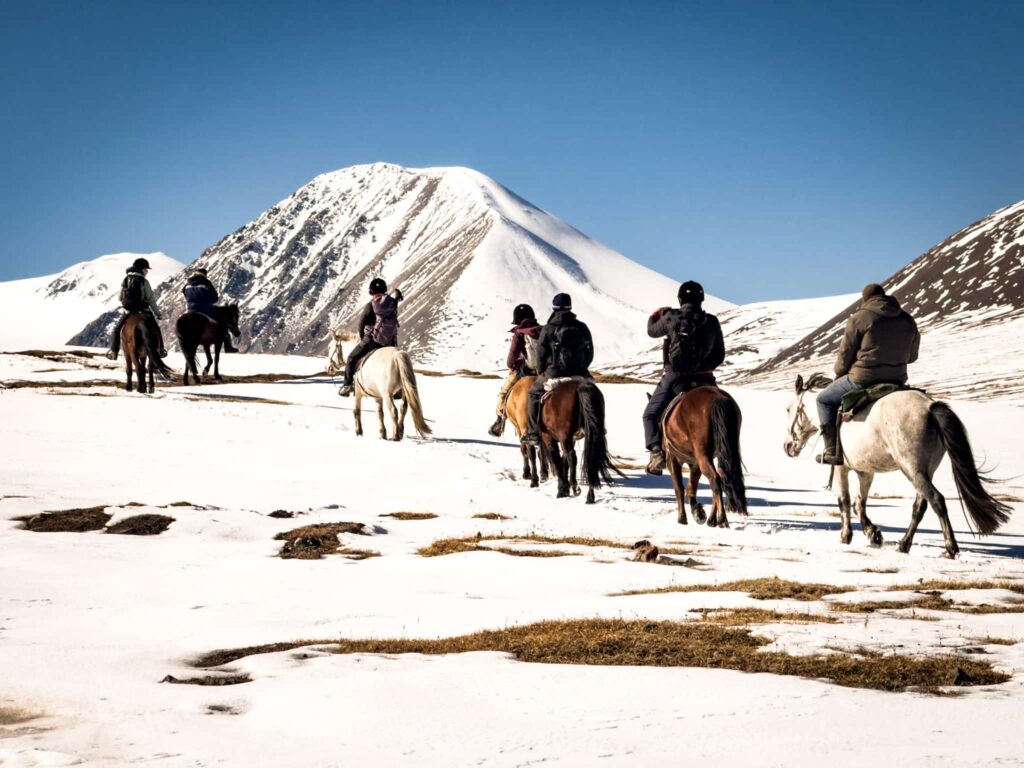
Traditional Mongolian saddles are wooden and sit high, which can be uncomfortable for riders who aren’t used to them. Before booking, try asking your tour operator what kind of saddle they use and whether helmets are provided. On our trips, riding is totally optional and no experience is required. The days are split, with about half on foot and half in the saddle (everyone takes it differently), and Western saddles and helmets are provided.
Before you ride, it’s a good idea to meet your horse and get a feel for it. You don’t have to gallop all the time, and you can get off whenever you like. Our horse trekking prep guide is a good resource to learn more about safety on horses in Mongolia.
Remember to respect the animals. Beyond horses, many expeditions also bring porter camels to carry gear and food. Both camels and horses are easily spooked, so try to be calm and respectful around them. For example, don’t shake your tent out near them as the noise can be frightening.
Cold and Snow
We cannot overstate this, Mongolia gets cold! Nights in the Altai mountains are between about -10 and 0°C (14-32°F) in fall, and the wind can be strong. Snow is common in the Altai mountains at any time of the year, even in the middle of summer. Our guide to the best time to visit Mongolia covers the seasons in more detail. We recommend a sleeping bag rated to 0°F (-17°C), and do not underpack. We’ll say it again, bring warm clothes!
Altitude
Mongolia is a high country, with an average elevation of about 1,580 m, and a trek in the Altai means going a lot higher. Camps on our Altai trek sit at about 3,090 to 3,400 m, and the optional Malchin Peak day hike can reach 4,020 m.
That’s high enough to give you headaches and trouble sleeping for the first few days, so a slow start and lots of water are a good idea.
Tips for Visiting Mongolia Safely
Register Your Stay
In Mongolia, hotels register their guests with the immigration authorities via an app. If you are staying somewhere else, like with a family or in your own tent, then you may need to register yourself with the Immigration Agency, which can be done online. It is worth checking the current rules for your passport before going.
Carry Cash for the Countryside
Cards can be used in most of Ulaanbaatar. Outside Ulaanbaatar and provincial centers like Ölgii, though, it is difficult to come across ATMs and card machines. Have enough tugrik in small bills for snacks, ger stays, and the occasional tip.
Download Offline Maps
If you are going to be offline for long periods of time, a map on your phone is only good if you have downloaded it before leaving Ulaanbaatar. Download the entire region that you are going to be traveling in and not just the route.
Bring the Right Driving Permit
If you plan to drive yourself, Mongolia only accepts International Driving Permits issued under the 1968 Vienna Convention. Not every country issues that version, so check yours!
Mongolia is Very Safe to Visit, Ultimately
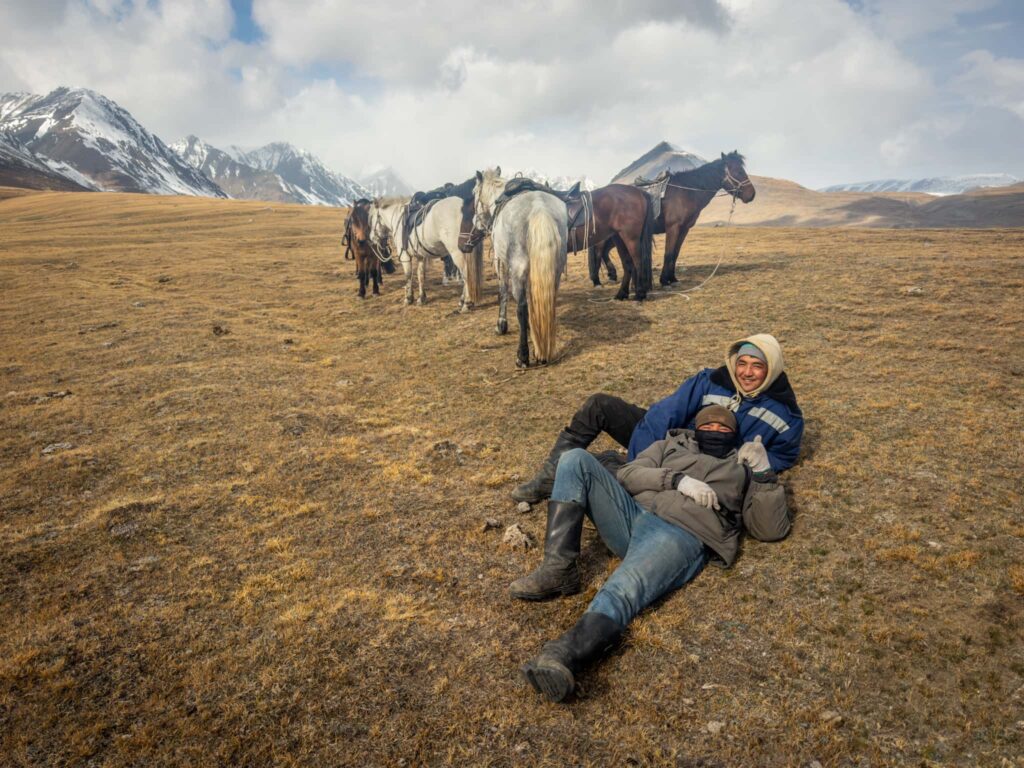
So, is Mongolia safe to travel to? Yes, and it is well worth visiting. Serious crime against travelers is rare, the main advisories are all at the lowest level, and in Ulaanbaatar, the biggest daily hassle is the traffic.
What takes planning is the country itself: the distances, the dirt roads, the cold, and being a long way from help if something goes wrong.
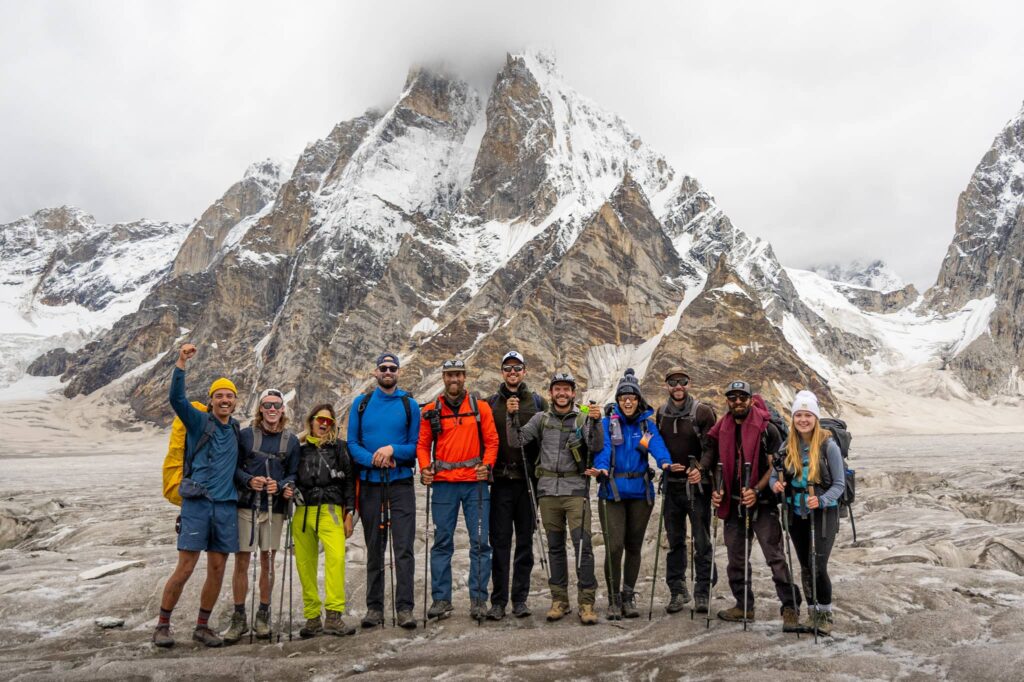
You can travel Mongolia independently, but the further you get from Ulaanbaatar, the more a local driver and guide are worth. Across all of our Central Asia trips (Mongolia included) we have never had a major injury on record.
We run small group trips to Mongolia, from epic horse trekking in the Altai to documenting the eagle hunters of the far west. Check out all of our Mongolia trips and join us!