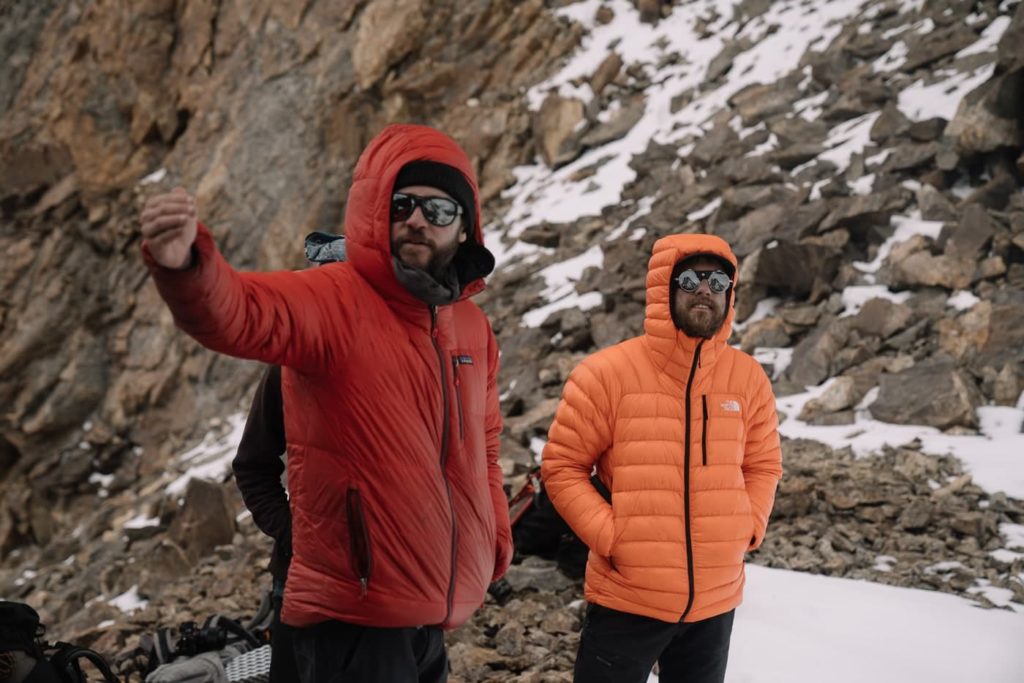
There are few feelings in the outdoor world quite like zipping up a massive, high-loft expedition jacket while standing on a windswept 5,000-meter pass. The air is thin, the wind is howling, and the temperature has plummeted well below zero. In that moment, having the right gear helps you to lean into the cold and enjoy the view you worked so hard to reach.
Among our team, we’ve had the privilege of testing out some of the best jackets available in scenarios just like that, from the Karakoram to the Andes.
But let’s be real, choosing jackets for extreme cold weather isn’t just about trying to look like the warmest person on the peak. Instead, before you go out and invest in an eye-wateringly expensive coat, it’s a good idea to first understand the expedition jacket features that matter. From fill weights to technical waterproof membranes, we’ll teach you what we’ve learned and give you some advice on choosing the best expedition jackets for your next adventure.
Types of Expedition Jackets

If you walk into an outdoor store without a plan, you’ll walk out with a lighter wallet and a jacket that might not actually work for your specific trip. Expedition jacket is a broad term, and the truth is that there are many types of jackets suitable for big trips.
But remember, your expedition gear needs to work as a complete and versatile system. While your gear list will undoubtedly include lightweight fleeces and active mid-layer jackets, for the purpose of this article, we’ll focus on the two heavy hitters.
Expedition Down Jackets
These aren’t your average city puffers or even your ultralight stuffable down mid-layers. We are talking about the massive, high-down fill power jackets designed to be worn over everything once you reach a mountain summit or settle in for a freezing night at base camp.
We focus on down here because when it comes to warmth-to-weight ratios, it remains the undisputed king. While we love synthetic insulation for other pieces of gear, achieving expedition-level warmth without feathers usually results in a jacket that is too bulky to pack effectively.
Hard Shell Jackets
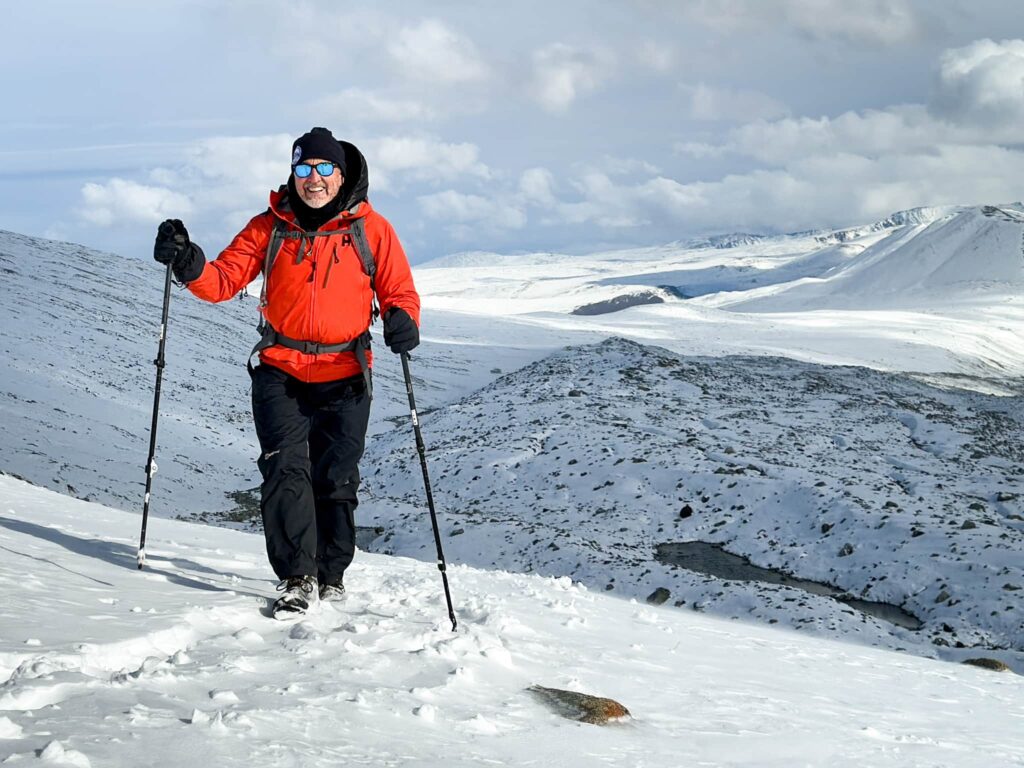
A common mistake is looking for an all-in-one “winter jacket” and expecting it to perform. In the expedition world, we separate the insulation (warmth) from the protection (staying dry). A hard shell jacket provides next to no warmth on its own, and its only job is to stop the rain and snow from soaking your inner layers.
The best expedition hard shells are both waterproof and breathable by using technical membrane materials like Gore-Tex, which we will discuss below.
What to Look for in an Expedition Jacket
When you are scrolling through product pages, every jacket claims to be “warm,” “durable,” and “essential.” But high-altitude and extreme environments have a way of exposing marketing fluff very quickly.
To separate the real gear from the toys, here is what we look for when choosing an expedition jacket.
Packability
Space in your backpack is real estate you can’t afford to waste. And, if your jacket takes up half the volume of your 70-liter backpack, you likely won’t pack it for the occasions you’ll need it.
Beyond just size, you also need to consider recovery. The true mark of great down is how fast it “bounces back” after being crushed in a pack for eight hours.
High-quality down should compact down to the size of a football and then re-loft and retrap heat almost instantly, while cheaper materials will stay flat, dense, and cold.
Warmth-to-Weight Ratio
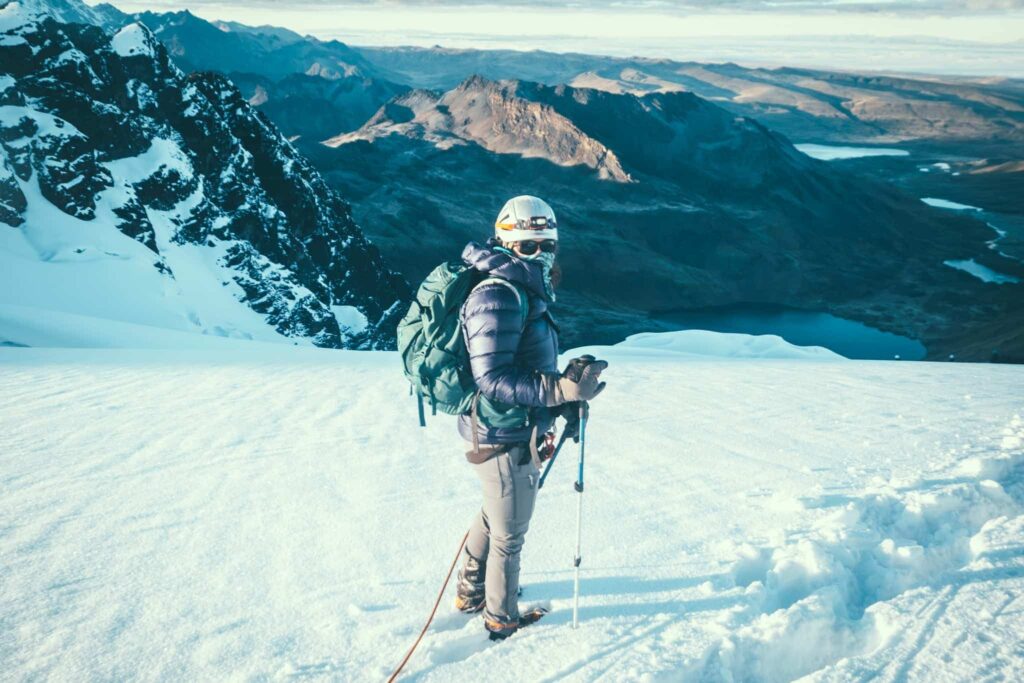
It’s easy to get into the weeds of counting grams. However, the reality is simple: if you carry a jacket for eight hours a day just to wear it for one, it should justify every ounce of its existence. And even if your expedition utilizes porters, a huge, heavy winter-style jacket can quickly eat into your allowance.
This is why understanding down fill power will not only help you choose a lighter and more packable jacket, but a warmer one as well. This metric measures the “loft” or fluffiness of the fill. The higher the loft, the more dead air, and therefore heat, the jacket will trap without adding extra weight.
For example, one ounce of 800-fill down traps significantly more heat than one ounce of 600-fill down. To get the same warmth with lower-quality down, the jacket would need to be physically heavier and bulkier.
And, just as you avoid heavy, low-fill down, you must avoid thick, non-breathable shells. A standard, rubbery rain slicker is incredibly heavy compared to a proper alpine shell. Plus, it traps all your sweat inside on a big incline, leaving you wet and freezing from the inside out the moment you reach the top.
Weather Protection and Versatility
Expedition gear is an investment and (surprise surprise) it’s expensive. To get a return on that investment, your gear needs to be versatile and ideally, modular.
Your hardshell is your shield against the elements, but even a plastic bag can be waterproof. What you really pay for is breathability. A top-tier, uninsulated Gore-Tex (or similar membrane) shell lets your internal steam escape while hiking hard. Because it lacks built-in insulation, it is also versatile enough to keep you dry during a humid downpour, like the ones that might happen on the Kokoda Track.
On the other hand, big expedition down jackets don’t strictly need to be waterproof. If you size your kit well, you have the option of layering your shell over your warm down to take advantage of both strengths. That said, you may notice that some of the best jackets for snow and variable weather will often utilize their own water-resistant face fabrics and DWR treatments to keep out rain and snow on their own.
Inside the jacket however, we do recommend looking for hydrophobic down. No, we’re not talking plumage from a goose with a complex relationship with its pond. Hydrophobic down is treated, usually with a similar DWR coating, so that it resists moisture, the Achilles heel of down insulation. The major benefit here is that it’s much better at maintaining loft when damp from sweat or spilled tea.
The Fit & Cut
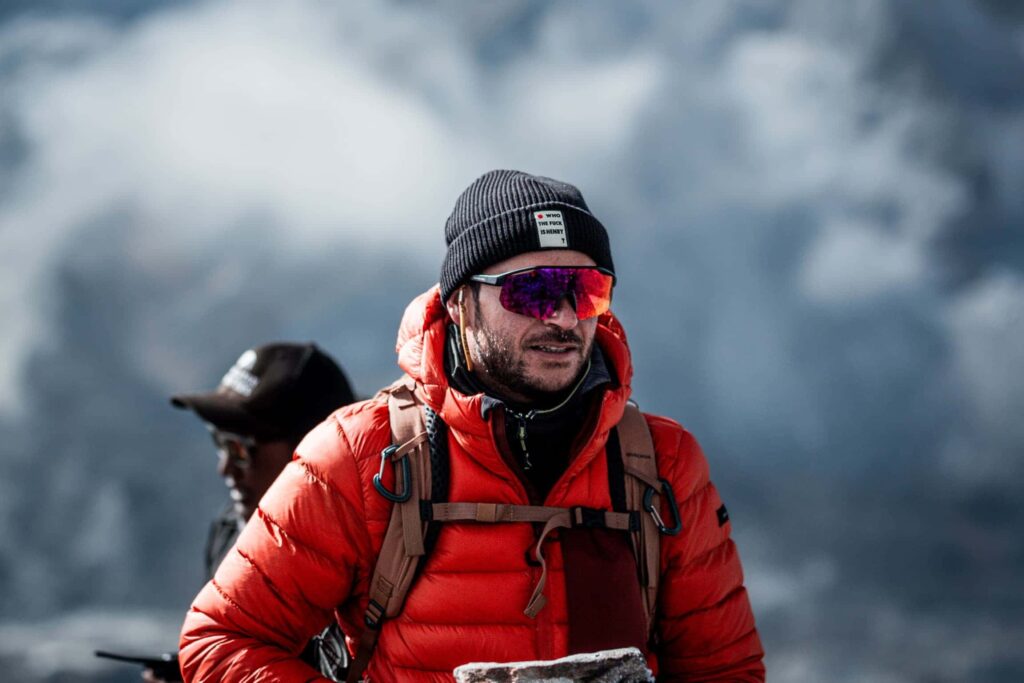
While they might be the most expensive clothes you own, expedition jackets are not tailored for a night out on the town. They are designed to be as practical as possible when heading into the harshest of environments.
Quality jackets will often feature cuffs that are wide enough to easily slide over a massive expedition mitten, yet adjustable to seal tight against a bare wrist. The hood will often be large enough to fit over a climbing helmet, and the front may zip up using a robust two-way zipper to accommodate a climbing harness.
When it comes to length, we generally prefer a shorter, technical cut over a knee-length parka. A jacket that hangs down to your knees turns walking into a logistical challenge and potentially dangerous when clipping into a rope at times.
Can you get away with using one of the top-tier skiing and snowboarding jackets? In many cases, yes. Quality alpine resort gear is warm and durable. However, jackets purpose-built for expeditions offer specific features that general winter sports gear often lacks.
Scenarios that Demand the Best Jackets
At Epic Expeditions, we love gear. But, we love adventure more. And what we’ve learned is that you do not need to fork out thousands in search of the biggest and best coat for Arctic weather just to go trekking in the cold. Price is often a deterrent to making epic memories, and we never want gear snobbery to get in the way of a life-changing trip.
Just ask the Sherpa people of Nepal or the Eagle Hunters of Mongolia. They live and work in some of the harshest environments on earth, and from experience, they’ll tell you that a solid layering system is more important than a single parka.
HOWEVER!
After years of running trips to the Karakoram and the Andes, we have learned that there are scenarios where packing a proper expedition jacket pays dividends in both comfort and safety.
(Also, we’re not sherpas or eagle hunters. They are the real badasses.)
The Alpine Start
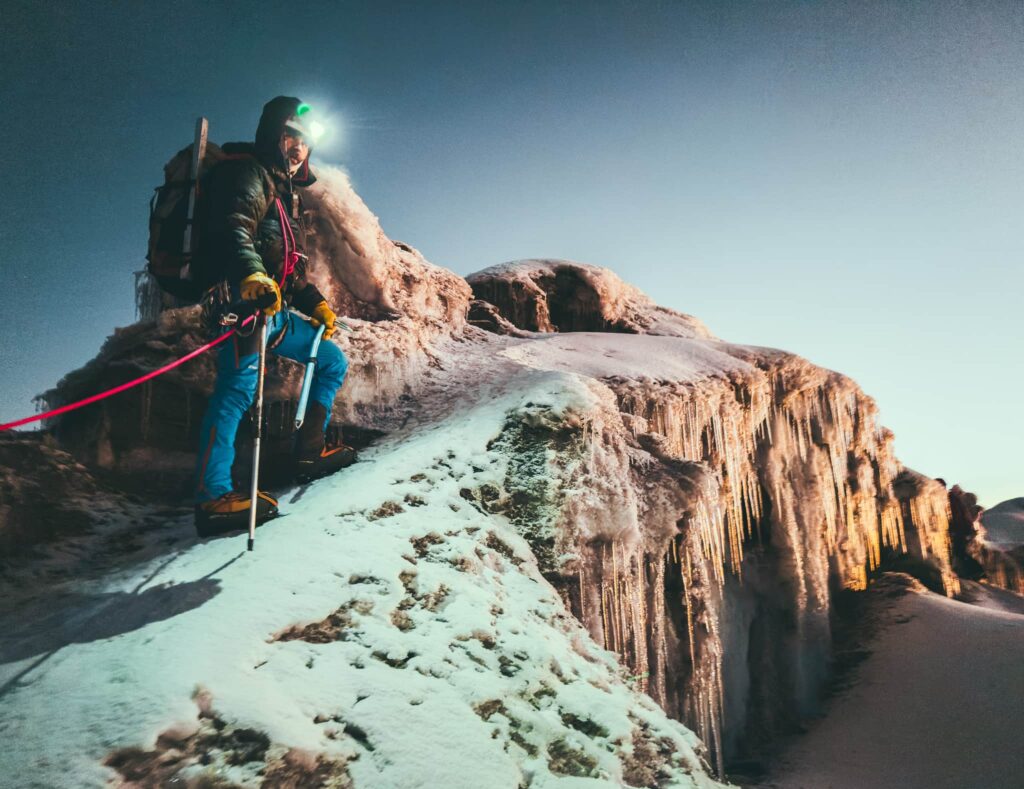
Summit days on peaks like Lobuche East or the crossing of the Gondogoro La often start as early as 2:00 am. This is the coldest part of the day, with temps at times hovering around -10°C or lower.
While you will eventually warm up from the exertion of climbing, those first 45 minutes of gearing up, checking crampons, and waiting for the group to assemble are brutally cold.
The Summit Wait
Climbing to a 6,000-meter peak in Bolivia’s Cordillera Real is a massive achievement, and you are going to want to savor the view. But at that altitude in the Andes, or in any other high-altitude mountain range, the wind chill can be relentless. Having a big, warm jacket you can quickly throw over your shell allows you to actually enjoy the view rather than immediately descending to base camp.
The Valley Downpours
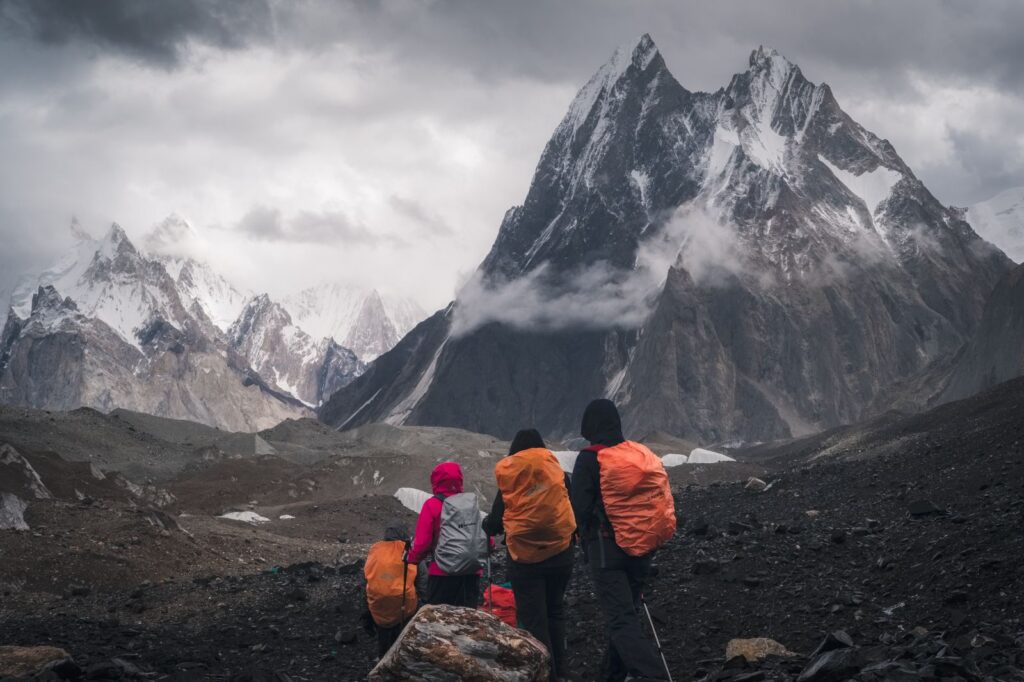
Not every danger in the mountains comes in the form of a blizzard. On expeditions through the temperamental valleys of Kyrgyzstan, for example, you may come across the challenging middle-ground where it’s too warm for snow, but cold enough to induce hypothermia if you need to hike in the rain for a few hours.
If you rely on a regular softshell rain jacket, eventually water will penetrate. Having a proper Gore-Tex expedition shell acts as a water-stopping force field in this scenario. Even though the air temperature isn’t as extreme as a high peak, the wet cold is arguably much more challenging to deal with. Staying 100% dry is the best way to stay safe.
Some of Our Favorite Expedition Jackets
Once you understand how your jackets keep you warm and dry, it becomes easier to decide which jacket is best for your upcoming expedition. We have tested a lot of kit over the years, and a few standout pieces have earned a permanent spot in many of our teams’ duffels.
Fjällräven Expedition Pack Down Hoodie
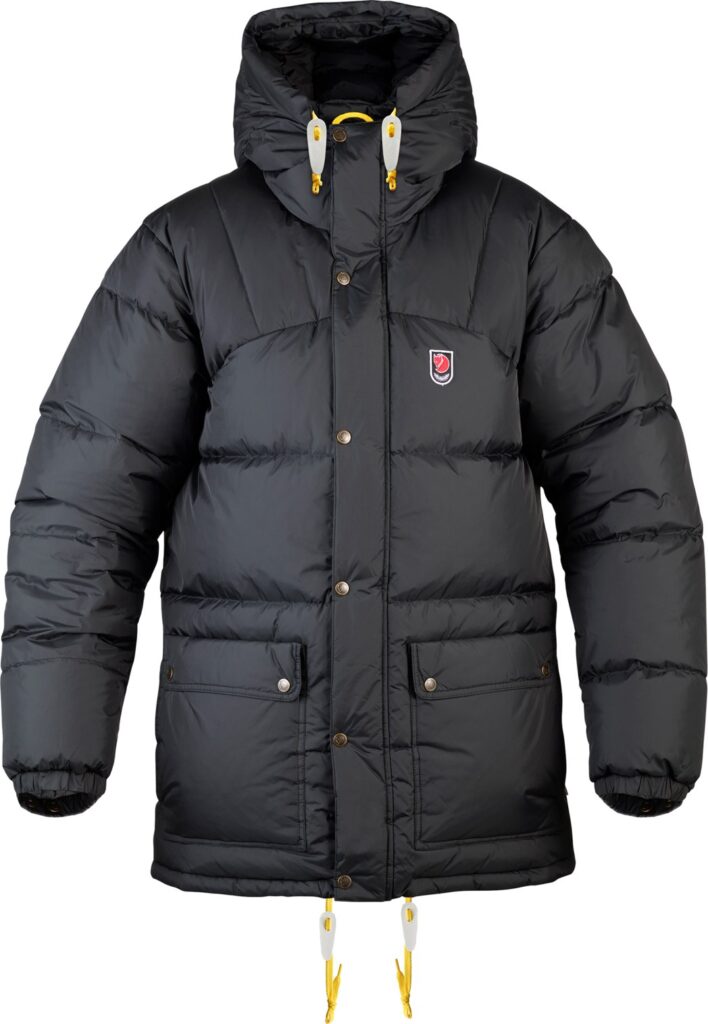
Weighing less than a pound, Fjällräven’s pack hoodie is made for polar weather, and as a leader in ethical down sourcing, it doesn’t compromise on modern ethics. While it sports a slightly lower fill power (700-fill) than the ultra-technical expedition parkas we suggest below, it makes up for it with robust construction and great comfort.
We view this as a very versatile “Base Camp” jacket that is still durable enough to wear on an icy slope. The design also features synthetic reinforcement on the shoulders, a smart detail that prevents heavy backpack straps from crushing the down and creating cold spots during a long trek.
Feathered Friends Khumbu Expedition Parka
Popular with North American thru-hikers, the small Seattle-based company Feathered Friends has long been a go-to for high-quality, ethical down products.
The Khumbu Expedition Parka is their answer to expedition-tier down, and the result is one of the best winter outdoor jackets we’ve ever seen. Essentially a wearable sleeping bag, this jacket is designed for the coldest places on Earth. It uses a really impressive 900+ fill power goose down housed in full box-baffle construction, meaning there are no sewn-through seams to let heat escape.
Wrapped in a waterproof-breathable Pertex Shield shell, this is the jacket you want if you are standing still on a summit at -25°C waiting for a sunrise.
RAB Mythic Ultra
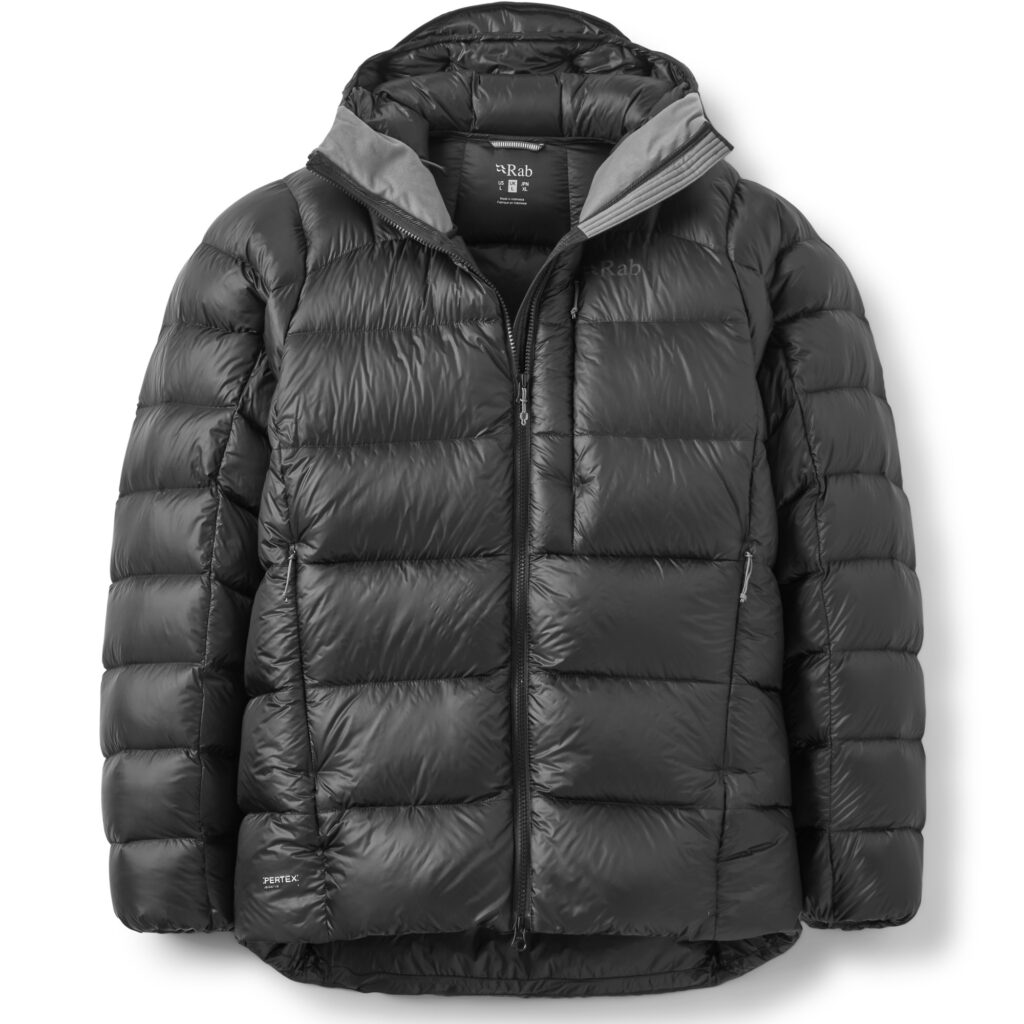
If you walk into a Khumbu teahouse or a mess tent at K2 Base Camp, this is likely a jacket you will see among the climbing crowd, and for good reason. While the older Neutrino Pro from RAB is a famous mountaineering workhorse, the Mythic Ultra is even better. It ticks off all the important expedition jacket features we discussed above, with 900-fill European Goose Down built into offset boxwall baffles.
We also really like that RAB excels at offering gender-specific cuts. The women’s version of this jacket isn’t just a “shrink it and pink it” job, but accounts for hip width and chest articulation to ensure the down loft isn’t compressed by a poor fit.
Norrøna Trollveggen Gore-Tex Pro Light
For those who want technical hard shell protection without the stiffness of the Arc’teryx Alpha, this Norwegian contender is a brilliant alternative. Norrøna designs gear specifically for the steep, wet mountains of Norway, mimicking the “four seasons in one day” conditions we constantly face in places like Bolivia or Kyrgyzstan.
It uses Gore-Tex Pro for maximum breathability but in a lighter, more affordable package. We particularly love the high chest pockets, which are designed to be accessible even when you are wearing a climbing harness or a backpack hip belt.
Arc’teryx Alpha SV
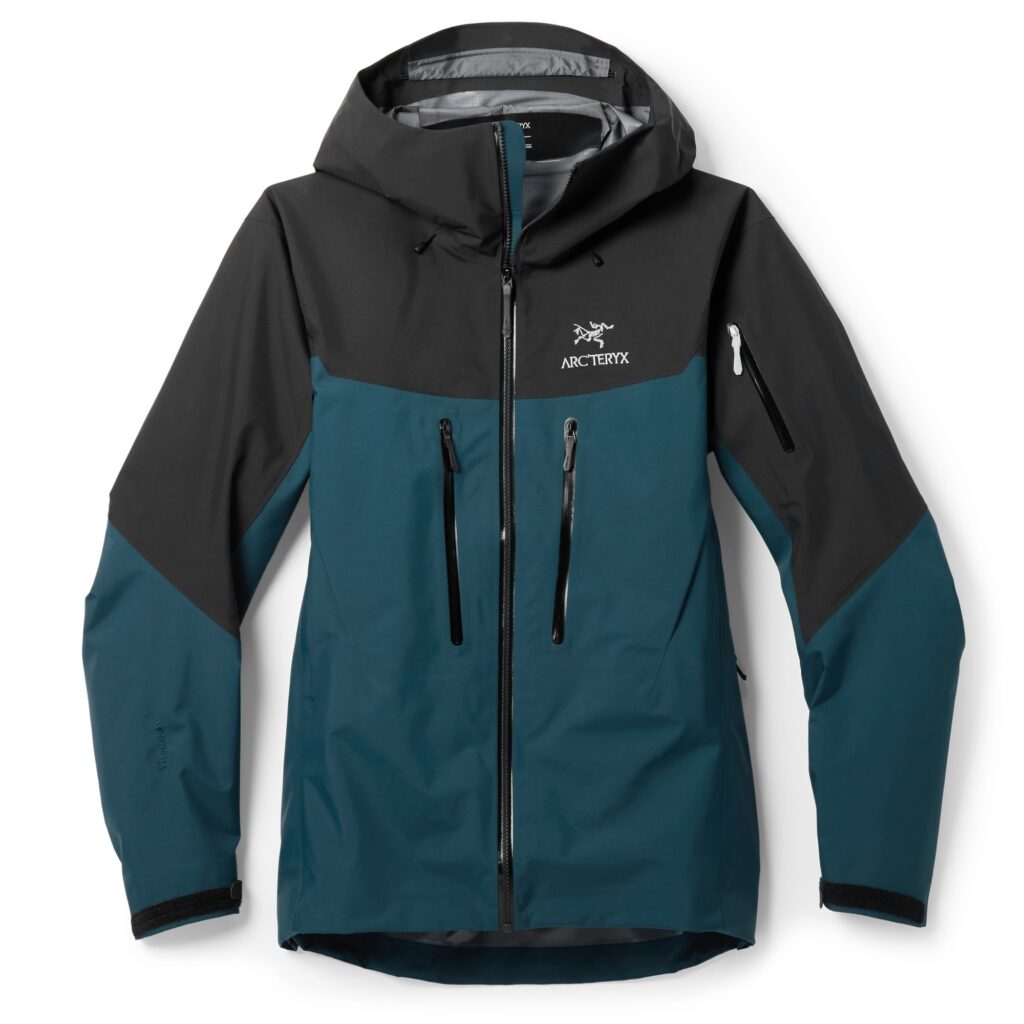
Moving over to hardshells, the Alpha SV (Severe Weather) is perhaps THE legendary expedition hardshell. While Arc’teryx has gotten a bad rap among mountaineering purists in the past few years for leaning more into the fashion scene, their Alpha SV flagship is still considered among the best climbing shells on the planet.
Constructed from N100d Most Rugged 3L Gore-Tex Pro, you can scrape this thing against granite walls and ice screws for days without tearing the face fabric. This is the highest-tier GoreTex that exists, and therefore, you can expect the price point to be high. Still, the sheer longevity of the materials and workmanship make this jacket an investment that will likely outlive the rest of your kit.
Additional Tips for Choosing an Expedition Jacket
Before you pull the trigger on that big-ticket expedition coat, here are a few final tips to ensure you are getting the right tool for the job.
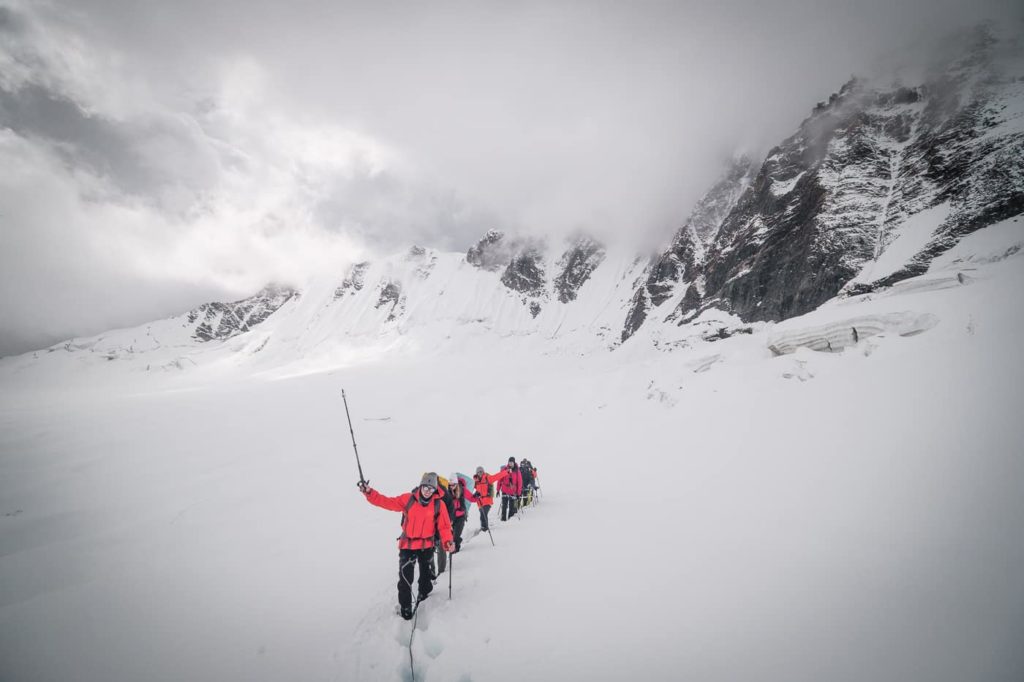
- Don’t fear the bright colors: Black is everyone’s go-to in the city. But in a whiteout on a glacier, it makes you invisible. Opting for high-visibility colors like orange, red, or yellow is a legitimate safety feature that makes you easier for your team to spot. And yeah, it makes photos in the mountains so much more epic!
- Size for mittens & climbing gear: Before you buy, try to operate every zipper, cinch, and hood adjustment while wearing your thickest winter mittens. Check that the jacket you choose works well with a climbing harness and/or helmet if you plan on using one.
- Size for Layers: Never try on an expedition jacket over just a t-shirt. Bring your fleece and your base layers to the store. It might get hot fast in, but when sizing a hardshell jacket, we’d go as far as trying it on top of a mid-layer down. This is to ensure the jacket doesn’t compress the loft of your inner layers too much when fully zipped up.
Ready to Put Your Gear to the Test?
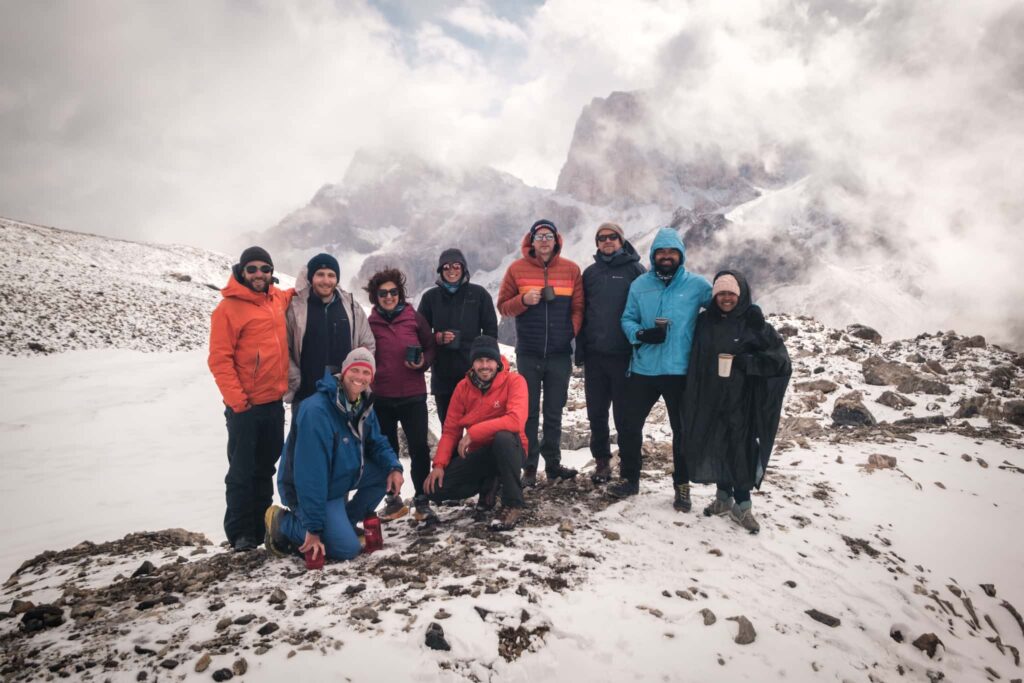
In the end, an expedition jacket is a tool. Yes, they’re awesome. But without the expedition part, it’s a bundle of nylon and feathers sitting in your closet until you decide to do something extraordinary.
Don’t let that epic gear collect dust. Whether you want to test your layering system on the Baltoro Glacier on our K2 Base Camp Trek or brave the winds of the Andes in South America, we have an adventure with your name on it.
Check out our Trip Calendar to see where we are heading next.