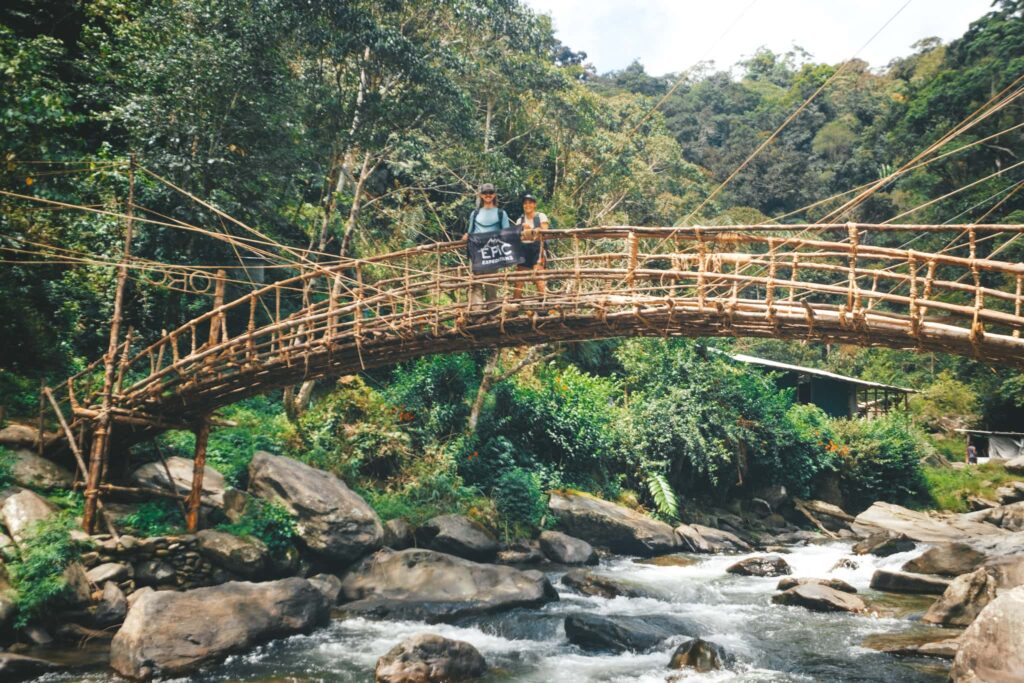
Papua New Guinea is often called the “Land of the Unexpected,” a moniker that hints at both its incredible diversity – and its volatile reputation. For many, the mere mention of PNG conjures images of tribal unrest and travel warnings rather than the paradise we know it can be.
Cutting to the chase, is Papua New Guinea safe for tourists? The honest answer is that it’s not that black and white and safety depends entirely on how you travel.
We can tell you from first hand experience after traveling here ourselves and leading trekking trips in PNG: this is not a destination for the unprepared. The infrastructure is raw, the cultural dynamics are complex, and the safety risks, from “Raskols” to tropical diseases, do exist.
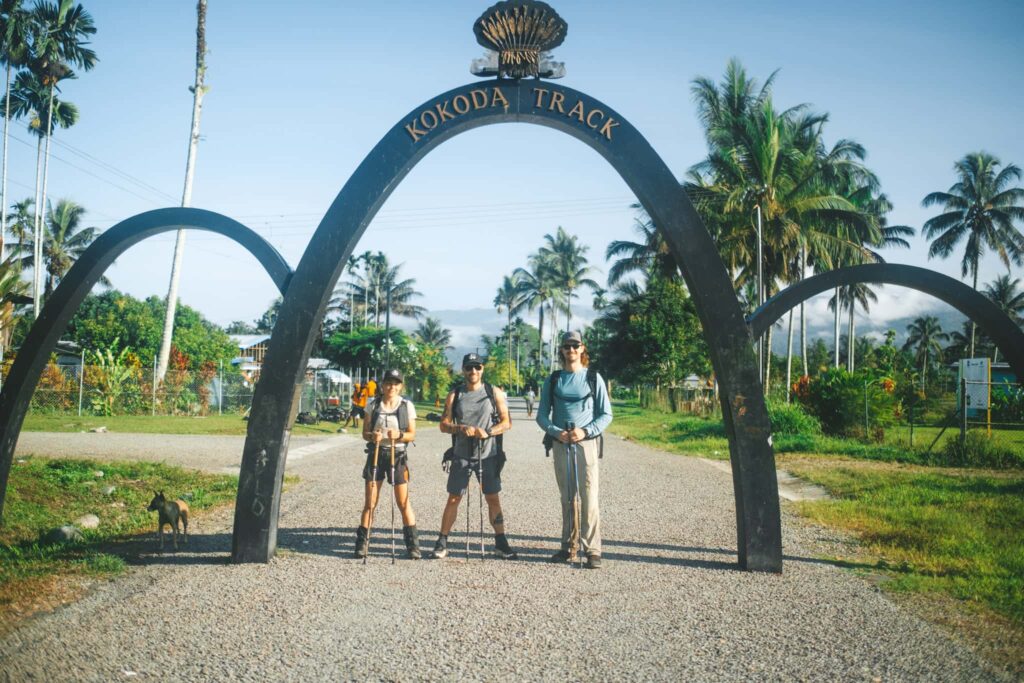
However, for those willing to venture off the beaten path with the right guidance, it offers one of the last true frontiers on Earth, especially if you are embarking on a trekking expedition like the Kokoda Track.
Recent History of Papua New Guinea
To understand the current state of safety in Papua New Guinea, you have to look at its birth. The country only gained independence from Australia in 1975 – it is a nation still very much in its adolescence.
But calling it a single “country” is almost misleading. It is better described as a mosaic of nearly 1,000 distinct traditional societies. While Pidgin serves as the trade language that connects them, PNG is still home to approximately 850 languages. This is so diverse it represents roughly one-third of the entire world’s linguistic diversity.
However with diversity comes friction. The current shakeup of ancient tribal loyalties and modern governance is the root of most Papua New Guinea travel warnings you see today. The central government often struggles to project power into the Highlands, leaving a vacuum often filled by tribal law rather than police enforcement.
The most jarring chapter in recent history was the Bougainville Civil War, a decade-long conflict sparked by mining disputes. While peace has been restored, it highlighted how quickly resource politics can turn violent.
Today, the political scene remains volatile, often resulting in sudden shifts in leadership. This instability has led to rapid urbanization and a lack of resources in the capital, directly contributing to the reputation of Port Moresby being dangerous.
While this political theater rarely affects a trekker deep in the Owen Stanley Range, it creates an environment where civil unrest in the cities can flare up with little warning. Consequently, navigating the overall security landscape here requires a careful balance of environmental awareness, cultural respect, and health precautions.
Primary Safety Concerns in Papua New Guinea
So, how does that history of rapid change and tribal friction translate to the current ground reality for us as travelers? The truth is when we talk about safety in Papua New Guinea, we aren’t talking about pickpockets at the Louvre, or just the usual advice to brush your teeth with bottled water. In PNG, there are real, tangible risks that you need to be aware of.
But as with all risks, when acknowledged and treated with respect, they can be managed.
As we mentioned, the dangers you could face walking the streets of Port Moresby are vastly different from the ones you face on the muddy slopes of the Kokoda Track. Generally speaking, we like to place the risks into three categories:
- Urban law & order – In the cities, specifically Port Moresby and Lae, the primary threat is human. “Raskol” gangs, carjackings, and civil unrest are real concerns that require strict security protocols.
- Tribal dynamics – In the Highlands, safety is dictated by clan relations. While tourists are rarely targets, inter-tribal conflict can flare up, blocking roads and disrupting travel plans .
- Environmental & medical – Once you leave the cities, the threat shifts from humans to the environment. Tropical diseases (like Malaria), isolation from medical care, access to clean drinking water, and rugged terrain become your primary safety focus .
We’ll discuss some of these in more detail below.
Is Papua New Guinea Safe for Tourists?
It’s easy to get spooked by government travel advisories that tend to paint Papua New Guinea as a dangerous place to travel to. The reality, however, is far more nuanced.
Papua New Guinea can be safe for tourists, provided you understand that the rules of travel here are fundamentally different from almost anywhere else you might have visited.
For an independent backpacker without local contacts, the risks of robbery, getting stranded, or ending up in the wrong neighborhood are uncomfortably high. However, for a traveler on a guided expedition, the risk is very manageable.
To understand why, you have to look at how safety actually works here.
Tourists are Neutral Parties
In the context of tribal violence, tourists are viewed as neutral. You don’t have a clan, you don’t own land, and you aren’t a target for revenge cycles that can fuel conflicts. This means you are rarely a specific target for violent crime outside of random opportunism in the cities.
The Wantok System
In the West, as well as popular travel regions like South East Asia, safety is enforced by police. In PNG, safety is provided by relationships. When you travel with a reputable operator, you are protected by their staff’s Wantok connections.
The term is derived from the Pidgin term for “One Talk“, as in, the people who speak your language. In PNG, that is your clan, your tribe, and your extended family. In a nation where government services are often nonexistent, Wantok serves as a social safety net that ensures nobody goes hungry and everyone has a roof over their head.
It is a system of fierce, reciprocal obligation: if your Wantok needs help, you are culturally bound to provide it, no questions asked.
For a tourist, this concept is an important factor for your security. As an outsider, you naturally have no Wantok – you are a stranger with no status and no protection. However, when you travel with a reputable local guide, you are effectively “adopted” into their network for the duration of your trip, which affords you a level of protection that is very measurable in PNG.
The “Beaten Path” Does Not Exist in PNG
Don’t come to PNG and expect to find the familiar Thailand/Vietnam banana pancake trail. You really can’t “wing it” here. There is no reliable public transport or established tourist trail to follow. The only way to travel in Papua New Guinea safely is to prearrange private transport waiting for you in Port Moresby and pre-booked village stays in the mountains.
Is Papua New Guinea Safe for Female Travelers?
Our team at Epic Expeditions have spent years guiding diverse groups across some of the world’s most challenging frontiers. We know that for our female travelers, the safety question hits differently.
And if you Google “women’s rights in Papua New Guinea,” the results are sobering. The statistics regarding gender-based violence are undeniably grim, and for local women, the reality of life here can be incredibly harsh.
But does that specific danger translate to you as a female visitor?
Generally speaking, foreign women occupy a different space in New Guinea’s cultural hierarchy. In the eyes of local men and tribal culture, you are viewed first as a “guest” and an outsider, and second as a woman. This distinction often grants you a level of respect and safety that, tragically, is not always afforded to locals.
That said, just like anywhere else in the world, this is not a license to let your guard down. To travel safely, we advise you still travel with some general guidelines in mind:
- Try to stick with your group, especially in cities. Traveling in a mixed group with a male guide provides a powerful psychological and physical deterrent to harassment that a solo female traveler simply doesn’t have.
- Walking alone at night or taking public buses (PMVs) by yourself is not safe travel practice in PNG.
Female Clothing & Attire
Papua New Guinea is deeply conservative, and strict modesty remains the standard outside private resorts. Wearing revealing clothing in rural communities is culturally insensitive and draws unwanted attention.
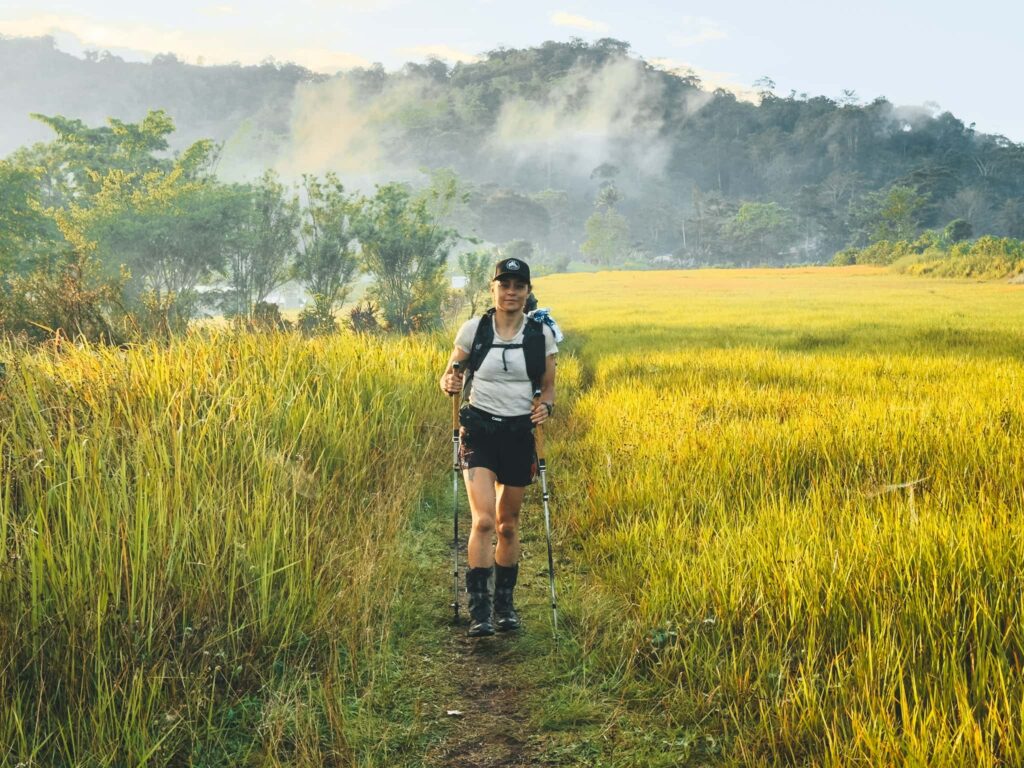
Well established trekking routes like the Kokoda Track, however, operates under more practical norms. Local women typically wear everyday t-shirts, and decades of hosting trekkers have normalized warm-weather activewear.
Wearing standard hiking gear, including shorts, singlets, and sports bras, is perfectly acceptable while navigating the humid trail. Simply carry a lightweight layer to cover your shoulders before entering a village camp.
The Special Case of Port Moresby
Most travelers arrive fearing the remote Highlands because we’ve all heard about tribal conflict or just how remote these regions are. But the reality is that, like almost all countries around the world, the most dangerous threats are found in the capital.
But is Port Moresby dangerous? The reality is that the city has experienced rapid urbanization in recent decades which has unfortunately led to sprawling settlements, high youth unemployment, and the rise of “Raskol” gangs. This creates a specific, volatile risk profile that requires a completely different mindset than when you are hiking in the jungle.
Specific Risks
- Raskolism and gang crime – The primary threat in Moresby is opportunistic crime: carjackings and armed robbery, usually economic crimes driven by desperation.
- Carjacking – This is the most common serious crime affecting foreigners. It typically happens at intersections or when vehicles are stationary.
- Health risks – While often overshadowed by crime, Moresby has its own health hazards. Tuberculosis (TB) rates are high in settlements, and Dengue Fever is a risk during the wet season. While hospitals and health care exists, it is likely not up to the standards of developed nations.
How to Stay Safe in Port Moresby
- Compound living – Most reputable hotels in Moresby are essentially fortresses, complete with high walls and guards. There really is not any need to go out of the hotel and into the city of Port Moresby since almost everything is available in the hotel itself. If you did need to go do an errand in town, we suggest hiring someone to go with you, so that you do not mistakenly venture into an area that could be sketchy.
- Secure transport only – Public transport (PMVs) and street taxis are non-options. You travel exclusively by pre-arranged hotel shuttles or private security transfers.
- Vehicle safety – When moving through the city, lock your doors, keep your windows rolled up.
Health and Sanitation in Papua New Guinea
There are health issues in Papua New Guinea. Navigating these is challenging, but for a prepared traveler, it is entirely manageable. Here are some key considerations.
Water Hygiene
Tap water in Papua New Guinea is not safe to drink.
In cities, you’ll want to stick exclusively to sealed bottle water. You also want to check the seal before opening the bottle.
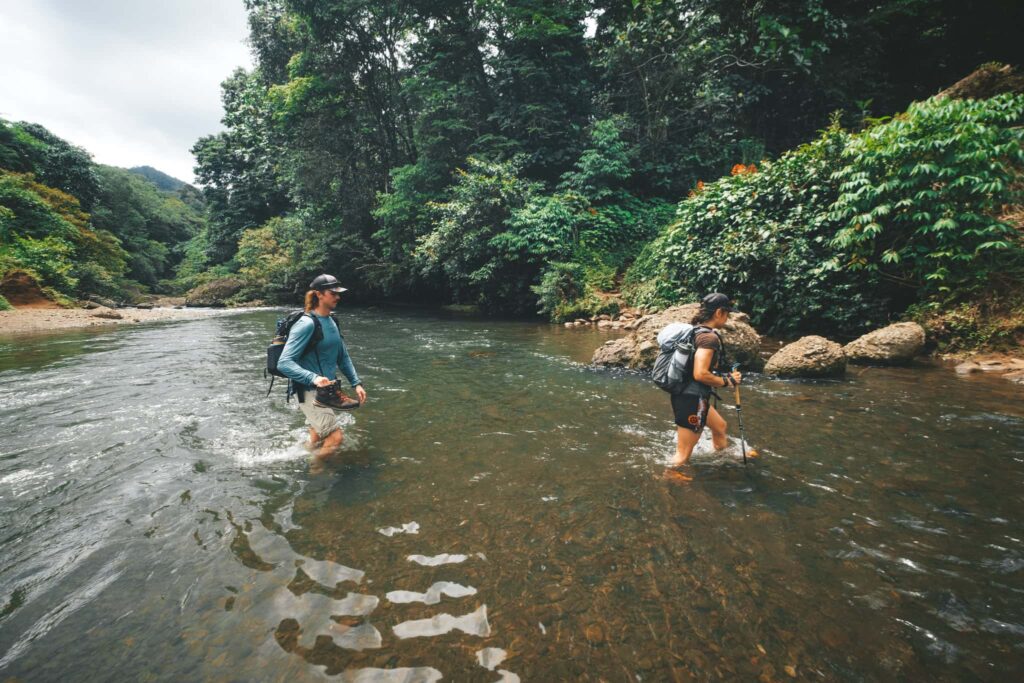
When hiking or on the trail, you will be sourcing water from the mountain streams. These are usually safe to drink, however there is ALWAYS a risk of bacteria and protozoa. We always recommend purifying the water before drinking. We highly recommend a water filter bottle like the Grayl GeoPress, which has served us well in Papua New Guinea.
Infection Risk
Due to the high humidity, the body’s ability to heal is significantly reduced. A small blister, leech bite, or scratch can turn into a serious tropical ulcer within 24 hours if ignored.
The general rule is to baby all wounds. That means, if you are hiking and you feel you feel a hot spot on your foot, stop immediately. Clean it, dry it, and dress it – don’t tough it out!
Fungal infections are also very common in PNG and this is especially important if you are hiking on wet trails like the Kokoda Track. Proper foot care is essential as wet boots are a breeding ground for tinea (Athlete’s Foot), you’ll want to bring antifungal powder and use it nightly.
Malaria & Mosquitoes
At the time of writing, PNG is a high-risk zone for mosquito-borne diseases like malaria, dengue fever, Ross River virus, and Zika. This is true year round, but particularly during rainy seasons. Scrub typhus (caused from bites from mites), is also a potential threat to contend with.
You will need to discuss with your doctor prior to your trip for how to mitigate these risks. However, whether you take anti-malarials or not, we still recommend using high-strength DEET repellent and wearing long sleeves at dawn and dusk.
Epic Expeditions staff have had good experiences using Malarone as an anti-malarial, but this may not be the right choice for everyone. Each participant must seek individualized medical advice to select the most suitable medication.
The Reality of Medical Care in PNG
Outside of specific private clinics in Port Moresby (like ISOS or St John), the public hospital system is severely under-resourced and generally not a viable option for tourists.
Travel insurance with evacuation is mandatory. If you get seriously sick on the Kokoda Track, you need a helicopter. This is why we ask all our clients to have comprehensive medical evacuation insurance similar to Global Rescue, that specifically covers air rescue. For hikers, we recommend reading our guide to trekking travel insurance that covers medical evac.
Politics and Governmental Advisories
If you look up Papua New Guinea on the US State Department, UK Foreign Office, or Australian Smartraveller websites, you will almost certainly see a warning level of “Exercise High Caution” (Level 2) or “Reconsider Travel” (Level 3).
These warnings exist for a reason. We always recommend that you read the official advice from your home government in full before booking.
However, to make an informed decision, it is helpful to understand the context behind the headlines.
Government advisories are written by risk-averse bureaucracies designed to cover every possible worst-case scenario. And fair enough, their job is to keep you safe! However, in the process, they often paint the entire archipelago with a broad stroke, often failing to distinguish between a riot in a squatter settlement in Port Moresby and a peaceful village guesthouse in the fjords of Tufi.
Importantly however, your travel insurance policy is often tied to these advisory levels. If your government issues a “Do Not Travel” warning for a specific region and you go anyway, your insurance policy (including medical evacuation) may be void. It is your responsibility to check the fine print of your policy to ensure you are covered for the specific provinces you plan to visit.
Interpreting “Civil Unrest” in PNG
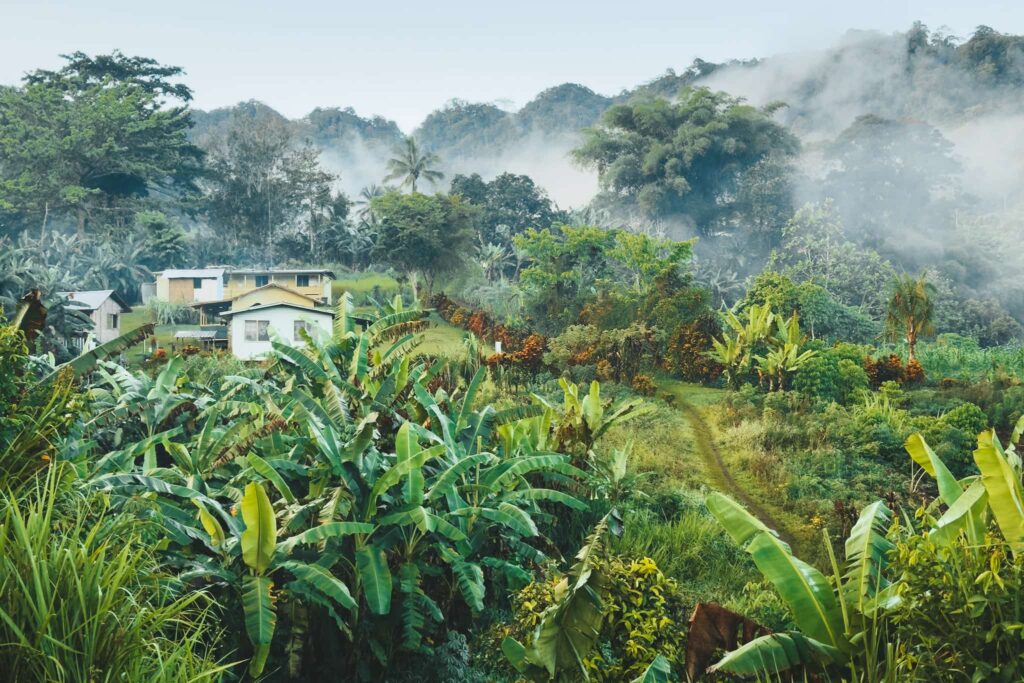
You will frequently see warnings about “civil unrest.” In the context of PNG, this rarely means a nationwide revolution. Instead, it usually refers to localized flare-ups triggered by specific events. Though it’s in your best interest to stay up to date with some key aspects.
- The election cycle – This is the single most volatile time in PNG. Historically, voting periods often see a spike in inter-clan violence, roadblocks, and suspension of services. If you can help it, we generally advise avoiding travel during the peak of national election weeks.
- Pay disputes – Protests often occur in the capital over government non-payment of wages (police/military/teachers). These are typically centered around government buildings in Waigani (Port Moresby) and rarely affect tourists who are transiting to the mountains.
The Limits of Consular Support
The most sobering part of these advisories, and the part you must pay attention to, is the limitation on consular assistance. While every country’s policies are different, most foreign embassies are located in Port Moresby and have strict security protocols preventing their staff from traveling to unstable areas.
This means, if you get into legal or tribal trouble in a remote Highland province, your embassy may not send a car to get you like they would in Europe, South East Asia, etc. In this scenario you are effectively on your own until you can return to a major urban center, reinforcing why traveling with a well-connected operator (and with travel insurance) is essential.
Cultural and Tribal Considerations
Traveling to Papua New Guinea involves being exposed to a complex web of tribal obligations that govern daily life. As a visitor, it may seem strange, but it’s a system that has functioned for thousands of years without written laws.
Understanding “Customary Land”
In most countries, national parks are public land. In PNG, 97% of the land is customarily owned by indigenous clans.
For trekkers, this means there is effectively no such thing as “public land.”
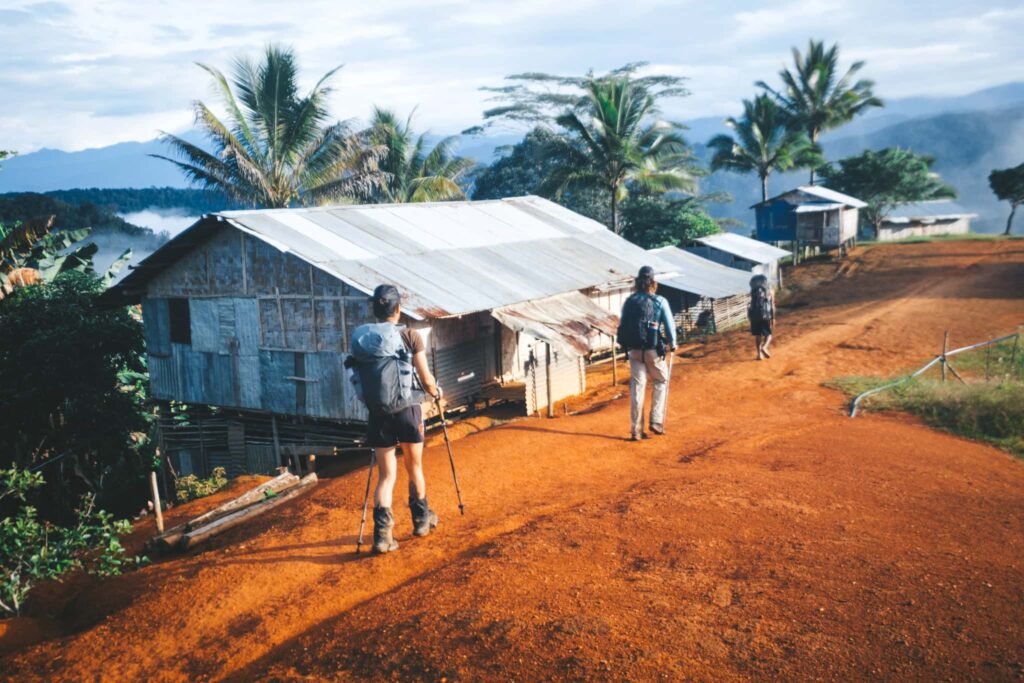
You cannot just hike where you please. Every trail, tree, and river belongs to a specific clan. This is why you must travel with a guide who knows the boundaries and has arranged the necessary “land fees” (toll payments) in advance.
The “Buai” (Betel Nut) Culture
If you’ve traveled to Sri Lanka, India, or Myanmar, you will likely already be familiar with the bright red stained teeth of the locals and the red splatters on the pavement. This is Buai (Betel nut), and it is the heartbeat of social interaction in PNG.
While exact nationwide statistics are hard to pin down due to the remote nature of many villages, health surveys and cultural studies paint a clear picture, almost everyone in PNG chews betel nut.
You’ll see students, grandmothers in villages and even young women in Port Moresby chewing this green nut (Areca) mixed with mustard stick (daka) and dipped in white lime powder. The mixture creates a mild stimulant that turns your mouth bright red.
When traveling in PNG, do not be surprised if you are offered Buai, it’s a gesture of friendship. Culturally you are not obligated to try it and refusing should be done politely. If you do decide to try it, know that it tastes incredibly bitter, there are health repercussions from its use and the lime can also burn your gums if used incorrectly.
The “Payback” (Compensation) Culture
“Payback” is often misunderstood as simple revenge. In reality, it is a sophisticated, traditional legal system designed to restore balance.
If a person (or their property) is injured or damaged, the offending party must pay compensation (in cash or pigs) to restore peace.
For travelers, if your vehicle is involved in an accident, even if it wasn’t your driver’s fault, the surrounding crowd may demand immediate compensation. This is why we use experienced local drivers who know how to de-escalate these situations or navigate “compensation roadblocks” where locals may block a road to demand payment for a grievance.
Photography Etiquette
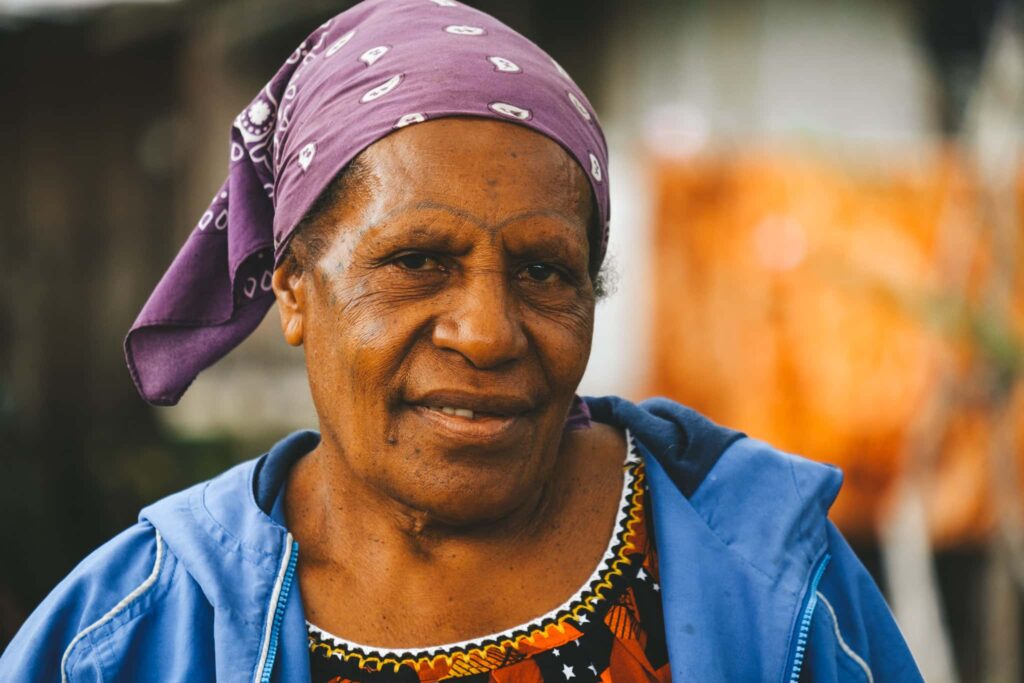
PNG is an amazing place to take photos not just of jungle trails, waterfalls, and viewpoints, but portraits too. However, in many PNG tribes, a person’s image is considered part of their spirit. This means in some scenarios, taking a photo without permission can be seen as theft.
Luckily sticking to a rule that should be applied worldwide will ensure you are not insulting any cultural sensitivities – ask first.
Most people in PNG won’t expect payment for a photo, they’ll greet you with a big red smile. However, if you attend a cultural festival (Singsing), performers in traditional dress often do expect a small payment (usually just 1-2 Kina) for a photo.
Sabbath Day in PNG
The villages in Papua New Guinea predominantly follow the Seventh-day Adventist faith. This means that in many villages, the time between Friday sunset to Saturday sunset are designated as The Sabbath.
Based on the fourth commandment, observing Saturday as the seventh day of the week, this day is dedicated to rest and worship, following the biblical account of creation. It is strictly forbidden to engage in public vice on this day, including things like smoking or drinking alcohol.
As visitors, it’s important to respect this custom. However it’s not forbidden to trek. Because of the length of the trip, we are bound to have a Saturday on the schedule where we hike and since you’ll likely be traveling with a guide, The Sabbath will be factored into your itinerary.
Trekking in Papua New Guinea
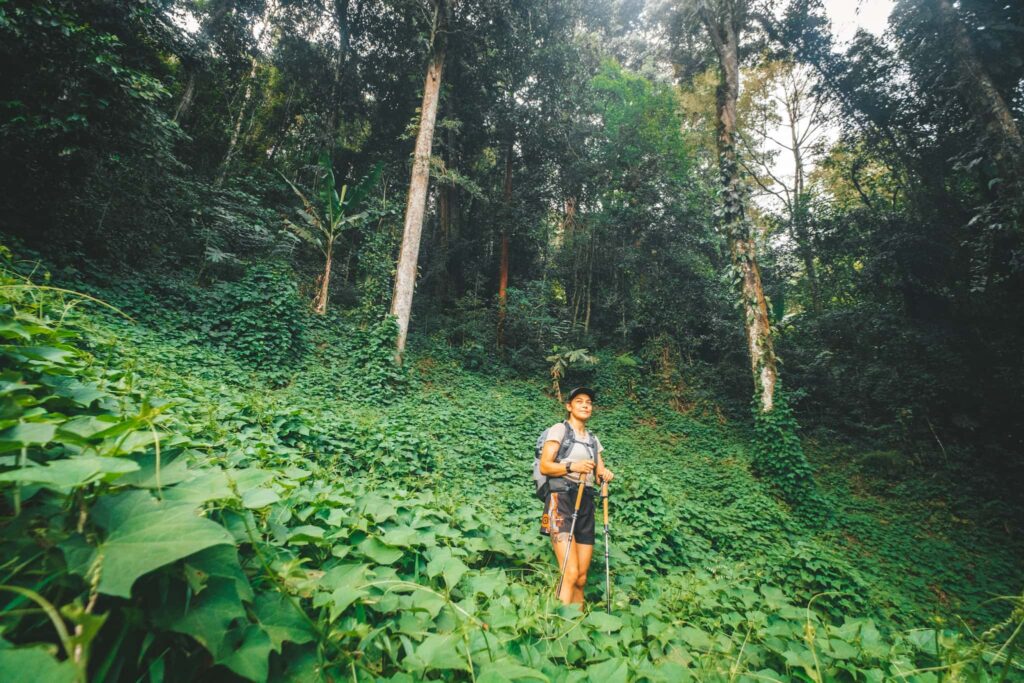
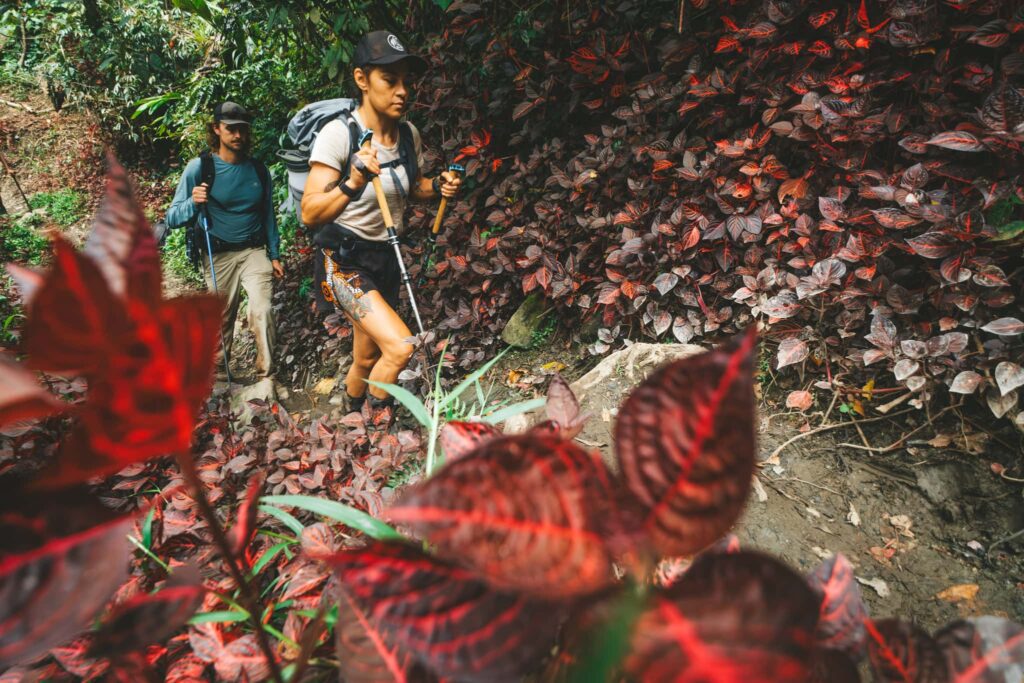
For many, the primary reason to endure the long flights and logistical hurdles of reaching PNG is the trekking. This is not the manicured trails of the Alps or the tea-house circuits of Nepal, trekking in PNG is about as wild as it gets.
While the Kokoda Track is the most famous draw (a 96km pilgrimage through history and mud) the country offers far more. From the jagged limestone peaks of Mount Wilhelm (the highest mountain in Oceania) to the remote fjords of Tufi, the terrain here is rugged, challenging, and largely devoid of other tourists.
However, the very isolation that makes it appealing also dictates the safety rules. Beyond standard hiking protocols and the water hygiene we’ve already discussed, there are specific factors to staying safe on these trails:
- It is always wet in PNG. Even in the “dry” season, afternoon downpours are common. You will likely spend days hiking in the rain.
- Do not fight the mud. Trying to rock-hop to keep your feet dry is the fastest way to slip and twist an ankle and you will get your boots muddy pretty quick regardless.
- Almost every trekking itinerary in PNG features stops to swim in pristine rivers, often right next to your campsite. This is the best way to cool down and wash off the day’s mud but be hyper-aware of flash floods. Heavy rain higher up in the mountains can cause river levels to rise rapidly downstream with little warning.
- Trekking in dense, tropical jungle is always a battle against humidity. Heat exhaustion is a real threat, even for fit hikers. You need to drink significantly more water than you would on a temperate hike (often 4-5 liters a day) and supplement with electrolytes to prevent cramping.
- In heavy rain or wind, falling branches (“widowmakers”) are a serious hazard in the primary jungle. Be aware of what is above you, especially during strong winds.
- Use mosquito repellent frequently throughout the day, and the pesky insects will not be too much of a problem. Take extra care to apply it in the early morning and at dusk.
Tips for Traveling in Papua New Guinea Safely
Buffer Your International Flights
Domestic air travel in PNG is notoriously unreliable. Flights are frequently cancelled or delayed due to weather, mechanical issues, or operational requirements – we always advise booking extra contingency days.
Never book a domestic flight from a remote province (like Popondetta) on the same day as your international flight home. Always schedule a buffer night in Port Moresby at the end of your trip. If you miss that connection, it can be days before the next seat out is available.
Keep Small Kina On You
Outside of the major hotels, credit cards are useless. The economy runs on cash, specifically small denominations. ATMs in Port Moresby often dispense 50 or 100 Kina notes, which are almost impossible to break in a village where a homecooked meal costs 5 Kina. Break your large notes at a hotel or supermarket in the city before you head into the bush.
You will need small change for markets, artifacts, and small tips. Flashing big notes, especially in Port Moresby, makes you a target for petty thieves.
Avoid Village Dogs
In many Western countries, dogs are pets. In PNG villages, they are often working animals or guard dogs, and they are rarely vaccinated. A bite from a village dog can end your trip immediately due to infection risk and the need for potential Rabies treatment (which requires evacuation).
Get a Digicel SIM
Your international roaming and a cheap eSIM likely won’t work in Papua New Guinea like they may elsewhere. Communication is a key part of safety which is why it’s a good idea to buy a local Digicel SIM card at the arrivals hall in Port Moresby. We recommend Digicel since they have a near-monopoly on coverage in the Highlands, for the little that actually gets through.
On the Kokoda Track specifically, we can confirm there is almost no signal from day one along the whole trek. There is no wifi either. The only times we had signal were on 2-3 high points along the trail where the ridge was at enough height for the signal to come through. That said, the signal was weak and we only had enough coverage to send and receive emails and WhatsApp messages.
So, is Papua New Guinea a Safe Place to Visit?
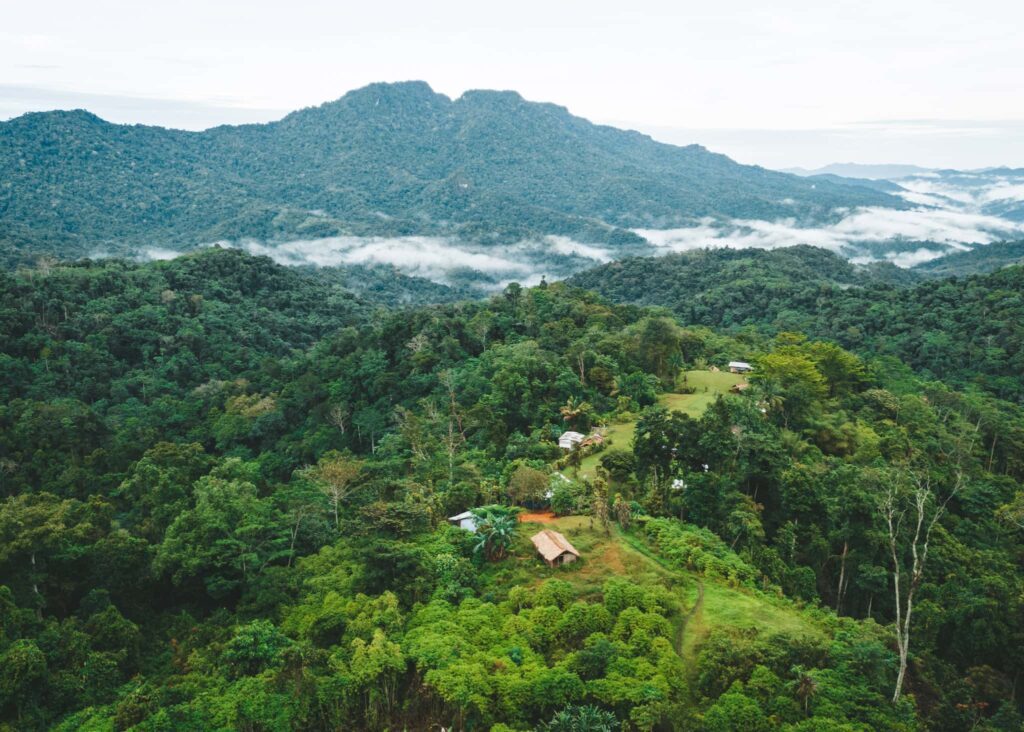
This guide hasn’t been about sugarcoating the reality of travel in PNG, all travelers should know that there are serious concerns that you cannot ignore. This is not Thailand, and it isn’t even Colombia.
However, the “dangerous” reputation of PNG rarely reflects the reality of a well-organized trip. If you respect local customs, stick to the health protocols, and follow the advice in this guide, you are very unlikely to have a bad time.
Most travelers leave with a profound respect for the “Land of the Unexpected,” rather than stories of danger.
The single most important safety factor is your choice of partner. Navigating the tribal landscape and urban logistics alone is an unnecessary risk. By booking with a reputable operator, you are buying a safety net of relationships and local expertise that makes the risk manageable.
If you are ready to experience one of the last true frontiers on Earth, we would love to show it to you. If you want to trek the Kokoda Track specifically, join us on an Epic Expedition for a world-class journey through the heart of the jungle.