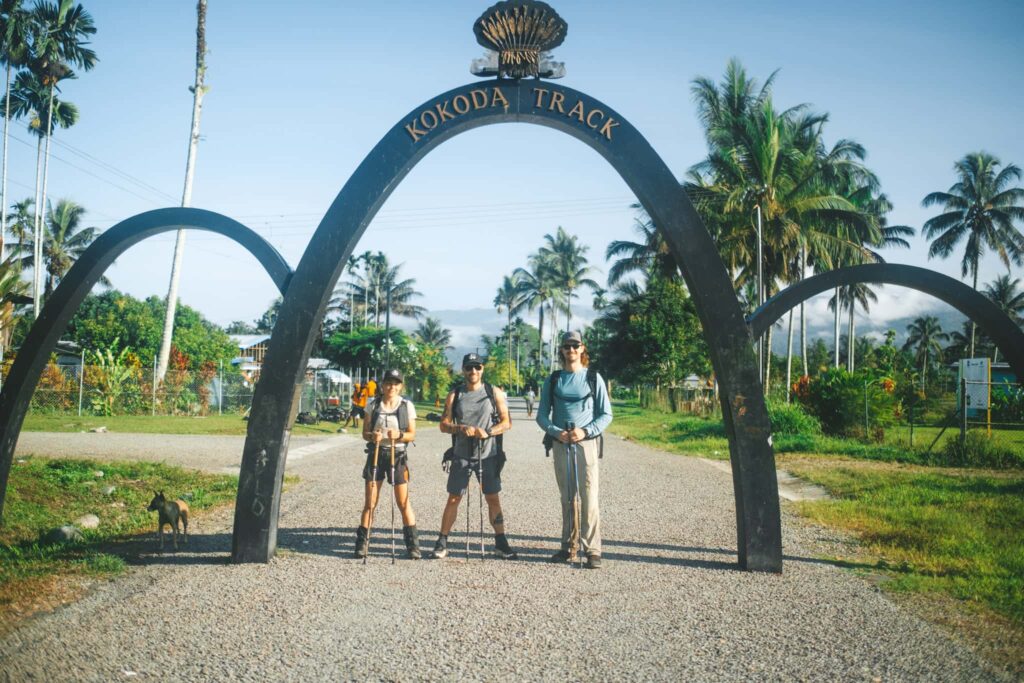
The Kokoda Track in Papua New Guinea is not your casual Sunday stroll in your neighborhood park. Few treks you are likely to have done in your life have all of the various factors waiting for you in PNG.
But… that is exactly what makes this the journey to hike the Kokoda track what it is; a world-class multi-day hike woven together as a tapestry of raw nature, complex history, and the diverse communities who still inhabit the length of the track.
The point is, the Kokoda Track is not just another hike. It is a true adventure in every sense of the word.
Below, I break down exactly what you need to know to properly prepare for the Kokoda Track, plus a ton of practical tips and lessons I took directly from the field, having just emerged with muddy boots from the Papuan jungle.
Grab a coffee and settle in.
Preparing for the Kokoda Track
Key Elevation Stats
Highest point: Around 2,190 meters (7,185 feet) near Mount Bellamy in the Owen Stanley Range
Total distance: ~96 km (60 miles)
Terrain: Repeated steep ascents and descents rather than gradual climbs
Kokoda Track Difficulty: How Hard is The Kokoda Track?
The first question we get asked about this trip relates to the Kokoda Track difficulty level. How tough is it, really? There is no way to sugarcoat this, guys. The Kokoda Track is in the difficult category.
I rate it there for several reasons. Here are some of the factors that go into our Kokoda track difficulty rating:
- Elevation loss and gain every day of the trek: The total elevation gain of the Kokoda Track is approximately: 6,000–7,000 meters 19,685–22,965 feet of cumulative ascent
- The jungle is a hard place to trek: Humidity, warm temperatures, rain, and insect life are realities of life on the trail.
- The track and the terrain: Some sections of the trail are nice and well-maintained. Other parts are a tangle of tree roots, mud-filled bogs, and slippery jungle foliage.
- Remote: There is no exit door on the Kokoda Track once you leave the starting point. If you want to end your trek and leave, then you need to hike back the direction in which you came. In the event of an emergency or injury, helicopters do provide evacuations, which is why you should take good rescue insurance!
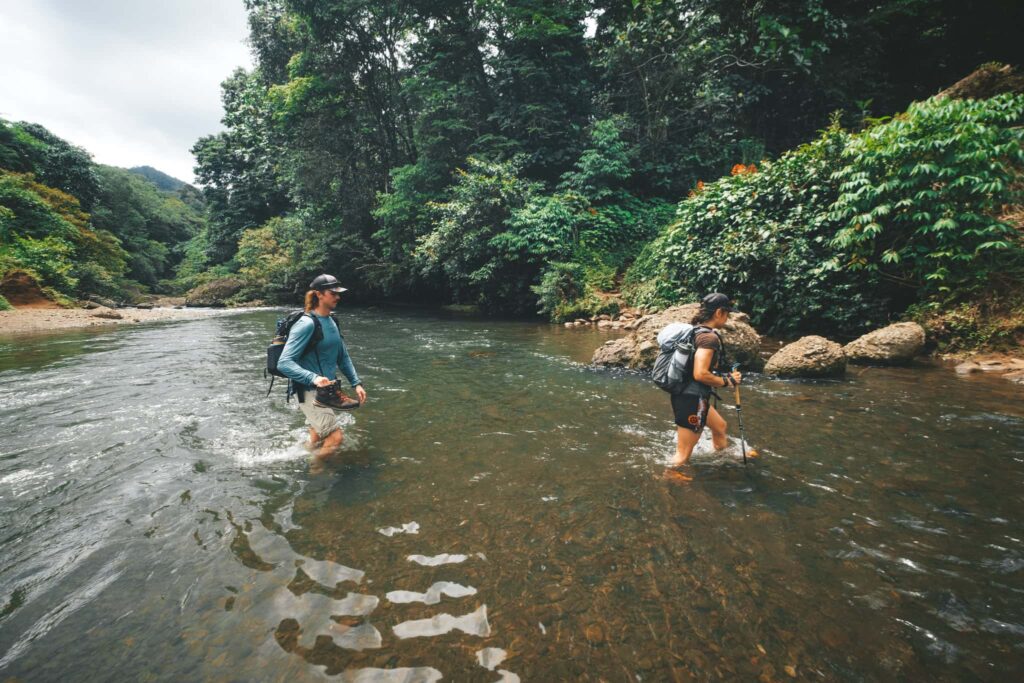
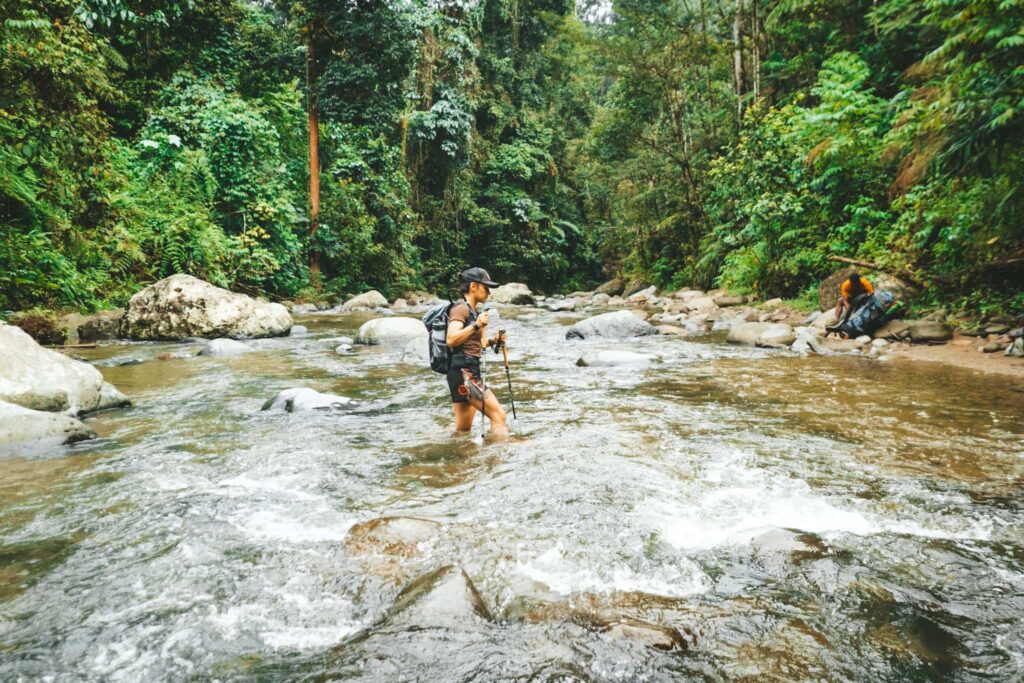
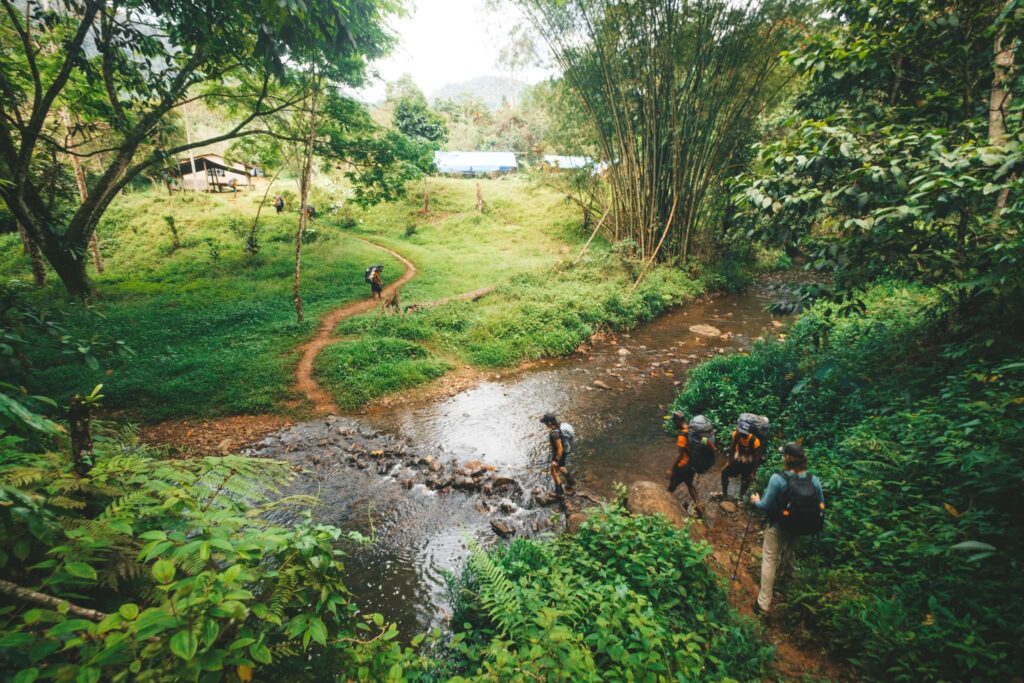
- River crossings: Although most if not all of the larger river sytems have permanent bridges across, there will be times along the way where you must wade knee to hip deep across small rivers.
How to Train for Kokoda Trail
For a trip like this, the age-old hiking adage applies: the more physical preparation you put in to training for the Kokoda Track, the more you will enjoy it.
This is not the sort of trek to just show up to and start walking. Plenty of people have in the past, and they have probably successfully completed it too, but they definitely suffered more than need be.
When assessing your own Kokoda Track fitness requirements, the simple target should be to build your strength and endurance to a place where you can hike for 5-7 hours while also doing a vertical kilometer (3300 feet) of elevation gain and be tired, but not totally destroyed.
The best way to train for the Kokoda Track is to simply go hiking as much as possible in the months leading up to the trip.
Here are five tips to help with a Kokoda Track training plan:
- Choose hiking trails in your area with significant elevation gain and loss.
- Heat acclimatization: if possible, try to spend some time in warm environments in the lead up to the trip.
- Train legs, cardio, and core in the gym 2-3 days a week.
- Find a training program that works for your lifestyle. Consistency is key.
- Stair climbing training: hit that stairmaster, weekly, baby!
Essential Gear and Packing List for Kokoda Trekking
Being that this trek takes place in a lush jungle environment with warm to cool temperatures, the good news is you don’t need to bring a ton of stuff.
That said, you do need to be very intentional about what you do pack.
Here are 5 essential items for your Kokoda Track packing list:
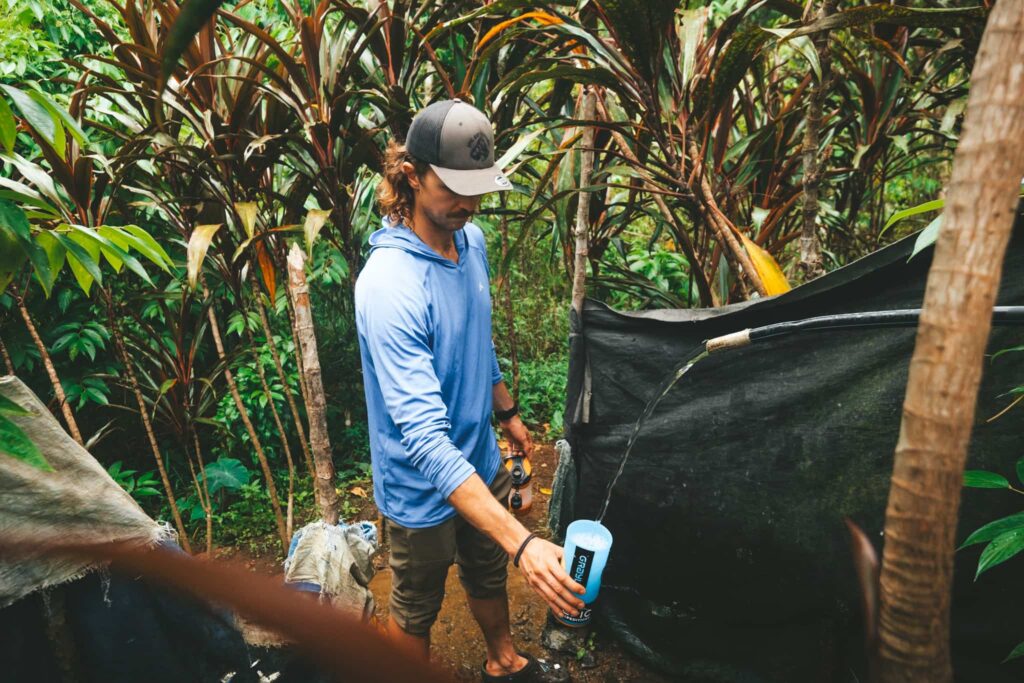
- Grayl Geopress: Confidently purify any clear water source along the trail without risk of getting any parasites.
- The right shoes: For me, I did the whole trail in a pair of Solomon trail running shoes, and they were perfect. You may also want to consider a more sturdy hiking boot.
- Strong insect repellent: This is no time for the natural lemon balm stuff. Bring out the nuclear option deet. 50% or higher should do the trick.
- Comfortable shorts and quick dry shirts: You will be wearing the same 1-2 pairs of shorts for the whole trip. Make sure they fit well and do not chaff or rub in any of the wrong places before you arrive in PNG. Your shirts should be made of a quick-dry material or light merino. No cotton!
- Dry bags and packing cubes: When it rains in PNG it RAINS. Be sure to pack all of your essentail clothing and sleeping bag in drybags so that they always arrive at camp dry as a bone.
Kokoda Terrain, Weather & Jungle Conditions on the Track
The Kokoda Track is not a typical hiking trail. It is a rugged, remote jungle corridor that cuts through the Owen Stanley Range in Papua New Guinea, and the terrain and weather are what truly define the experience.
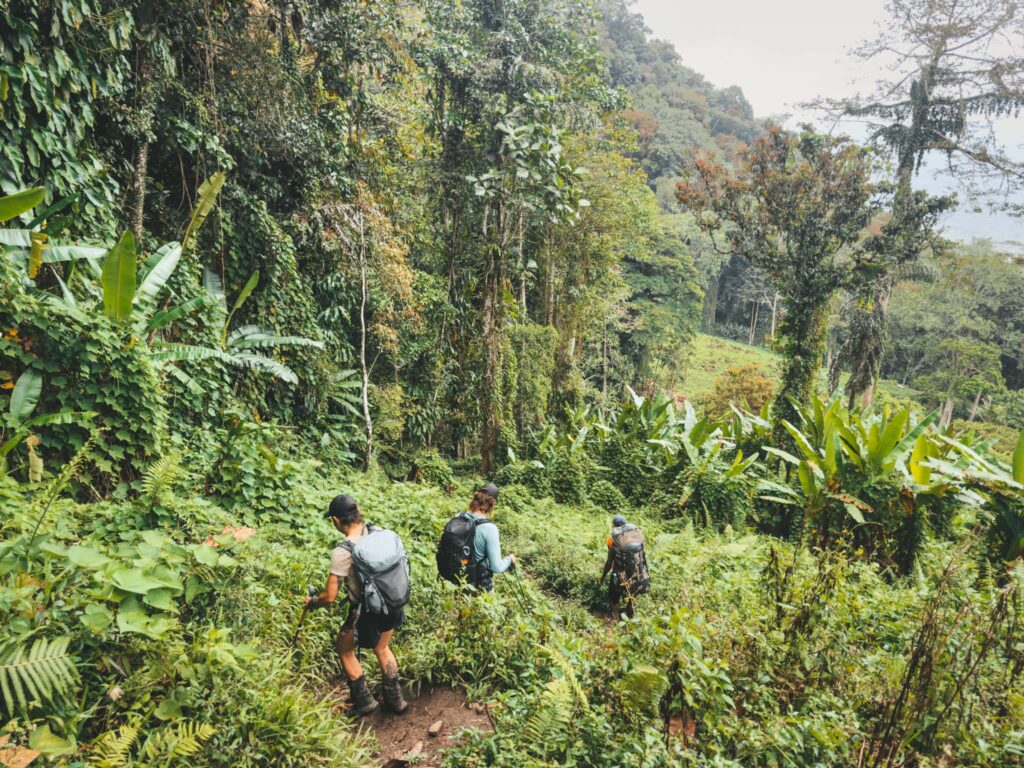
As the boys during World War 2 found out quickly, the track is relentlessly steep. Rather than gradual switchbacks, you climb straight up ridgelines and descend directly down the other side. There is very little flat ground except for a few mud flats, and when you enter and exit some villages.
Over the course of the Kokoda Track trek, you’ll gain and lose significant elevation every single day. The surface underfoot is constantly changing: clay slopes, exposed tree roots, rocky steps, narrow ridges, and deeply eroded sections carved out by years of heavy rain.
Mud is part of the Kokoda experience. Even during the drier trekking season, shaded jungle sections stay damp. After rainfall, clay turns slick, and descents demand careful footing and steady pacing. Trekking poles are invaluable, especially on long downhill sections where balance and control matter more than speed.
River and creek crossings are frequent. Some are simple step-overs; others require wading through flowing water. After heavy rain, crossings can swell quickly, adding another layer of challenge to this already demanding jungle hike.
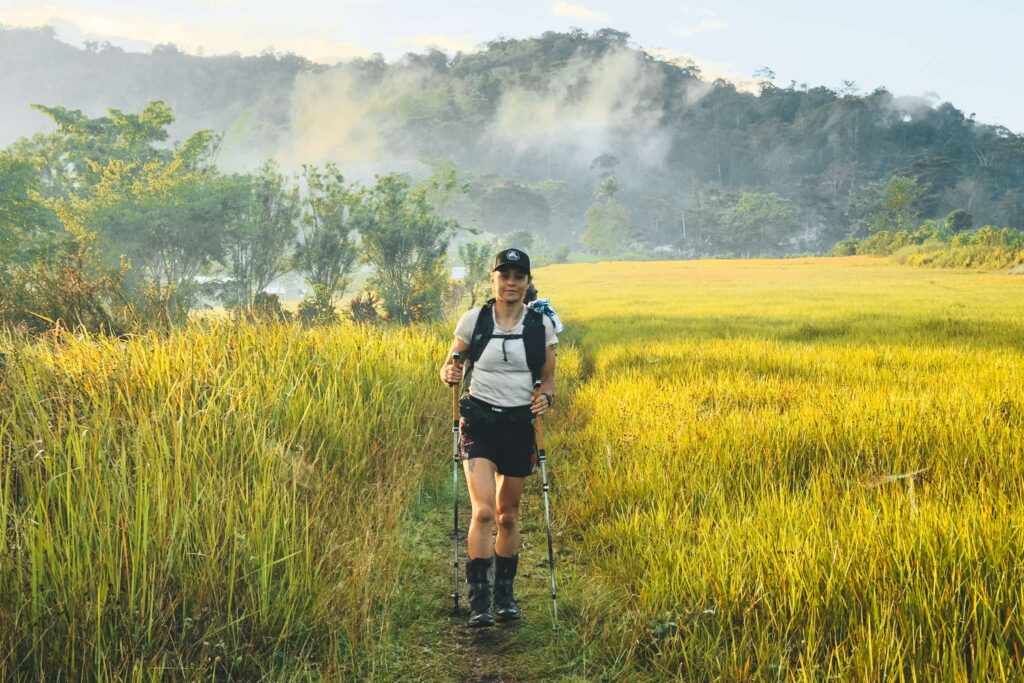
The Kokoda weather is typically hot, humid, and unpredictable. In lower sections, the heat and humidity can feel intense, with limited airflow under the jungle canopy. Higher up in the Owen Stanley Range, temperatures cool noticeably, particularly at night. Rain showers can roll in without warning, transforming the track within minutes. Managing moisture—both rain and sweat—are key things to think about when preparing and choosing your gear for the Kokoda Track trek in Papua New Guinea.
This is not an alpine-style trek with open views and dry mountain air all the time. The Kokoda jungle is immersive and enclosed, alive with bird calls, rushing rivers, and thick rainforest (and some amazing plants!). The challenge is less about altitude and more about sustained effort in steep, muddy, humid conditions.
Mental and Logistical Preparation Before You Go
Preparing for the Kokoda Track is just as much mental as it is physical. The terrain, humidity, and jungle conditions in Papua New Guinea are demanding, and going in with realistic expectations will shape your entire experience.
Kokoda is not about racing the clock. It’s about steady effort, focus, and showing up each day ready to trek up, descend down, and do it all again tomorrow. When you arrive ready to accept that you’ll be wet at times, tired most days, and pushed outside your comfort zone often, you will get a deeper connection not just to the present moment, but to the people who live here now and what the soldiers of the past went through.
Heat is one of the biggest factors people underestimate. The combination of steep terrain and high humidity means your body works harder than it would in cooler, drier environments. If possible, incorporate heat acclimatisation into your preparation. This might mean training in warmer parts of the day, adding controlled heat exposure to some sessions, or spending time in humid conditions so your body adapts. Even a few weeks of gradual exposure can noticeably improve comfort and performance on your Kokoda Track trek.
Here’s where we recommend focusing your preparation:
Train specifically for Kokoda terrain. Stair sessions, hill repeats, and long back-to-back walks will better prepare you for the constant ascents and descents of the Kokoda Track in Papua New Guinea.
Incorporate heat acclimatisation. Gradual exposure to warmer conditions helps your body adjust to jungle trekking demands.
Break in your boots properly. Blisters are avoidable with the right footwear and preparation—never start Kokoda in brand-new boots.
Keep your pack streamlined and light. In hot, humid conditions, every unnecessary item adds strain.
Prepare for persistent moisture. Quick-dry clothing and waterproof pack liners are essential in a wet jungle environment.
Read up on the World War II history of Kokoda. Understanding the 1942 campaign, the soldiers who fought there, and the significance of key sites along the track deepens the experience in a way that physical preparation alone never can. To start with, I recommend checking out the book “Kokoda” by Peter FitzSimons.
Nutrition, Hydration & Health Tips for Your Trek
How you eat, drink, and recover directly impacts how you feel on the track.
In jungle conditions, appetite can fluctuate. The heat and humidity often suppress hunger, even though your body is burning significant calories. This is where discipline matters. Eating consistently—rather than waiting until you feel hungry—helps maintain stable energy levels and reduces fatigue late in the day.
Hydration is even more critical. On the Kokoda Track, you will sweat far more than you might realise. Because humidity limits evaporation, you may not notice how much fluid you’re losing. Dehydration is one of the most common reasons trekkers feel flat, develop headaches, or struggle with recovery.
To stay on top of your nutrition and hydration:
Hydrate early and consistently. Sip regularly throughout the day rather than waiting until you’re thirsty. Make sure your waterbottle or bladder is easily accessible so you don’t have to take off your backpack each time to drink.
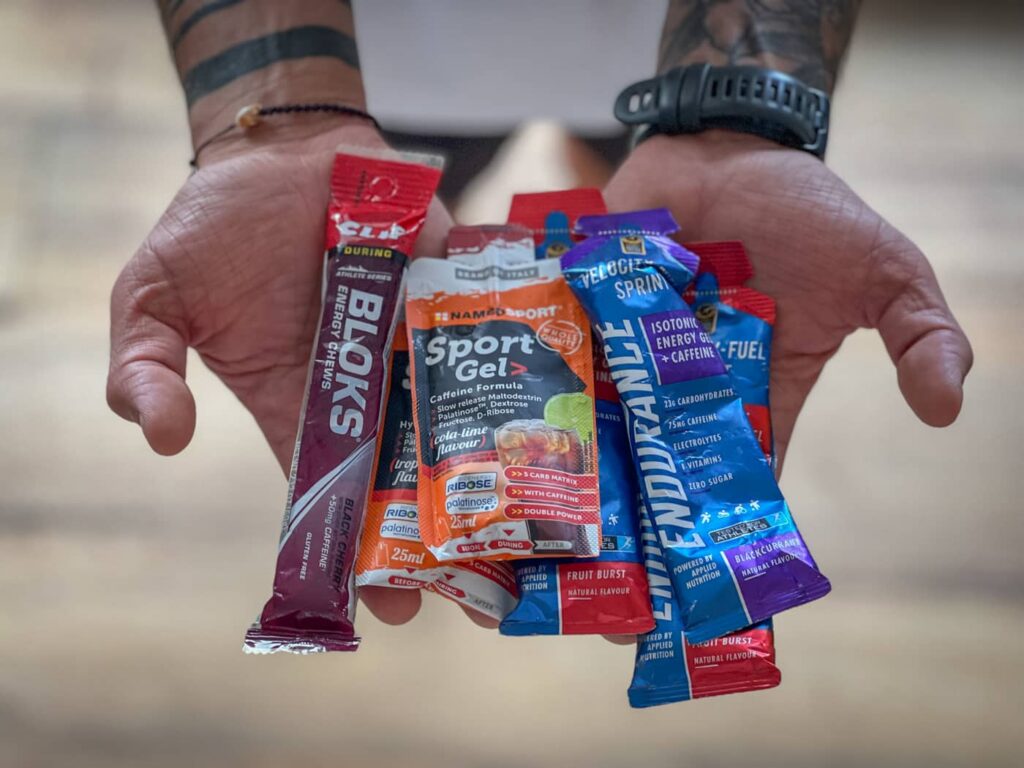
Use electrolytes daily. Replacing salts lost through sweat helps prevent cramps, headaches, and energy crashes. I personally use electrolytes that have added caffeine in them too.
Eat small amounts often. Regular snacks between meals keep energy steady on long jungle climbs. I suggest “budgeting” 2-3 calorie-dense snacks per hiking day at least.
Prioritise carbohydrates during the trek. They’re your primary fuel source for sustained uphill effort.
Support recovery each evening. A good dinner, adequate fluids, and quality sleep are essential for backing up day after day. Whenever you get to camp, your goal should be to consume 2-3 liters of water minimum before the end of the evening.
Protect your gut health. Follow hygiene protocols carefully and use your Grayl Geopress to filter every water source you will drink. Wash your hands or use an alcohol based sanitizer before each meal
Cultural Respect & History: Engaging With Villages and WWII Legacy
As much as Kokoda is a wild trek in nature, it is also a journey through living villages and a landscape deeply shaped by the events of 1942. The cultural connections and wartime history are what elevate this experience far, far beyond a demanding jungle expedition that never had a savage war fought in it before.
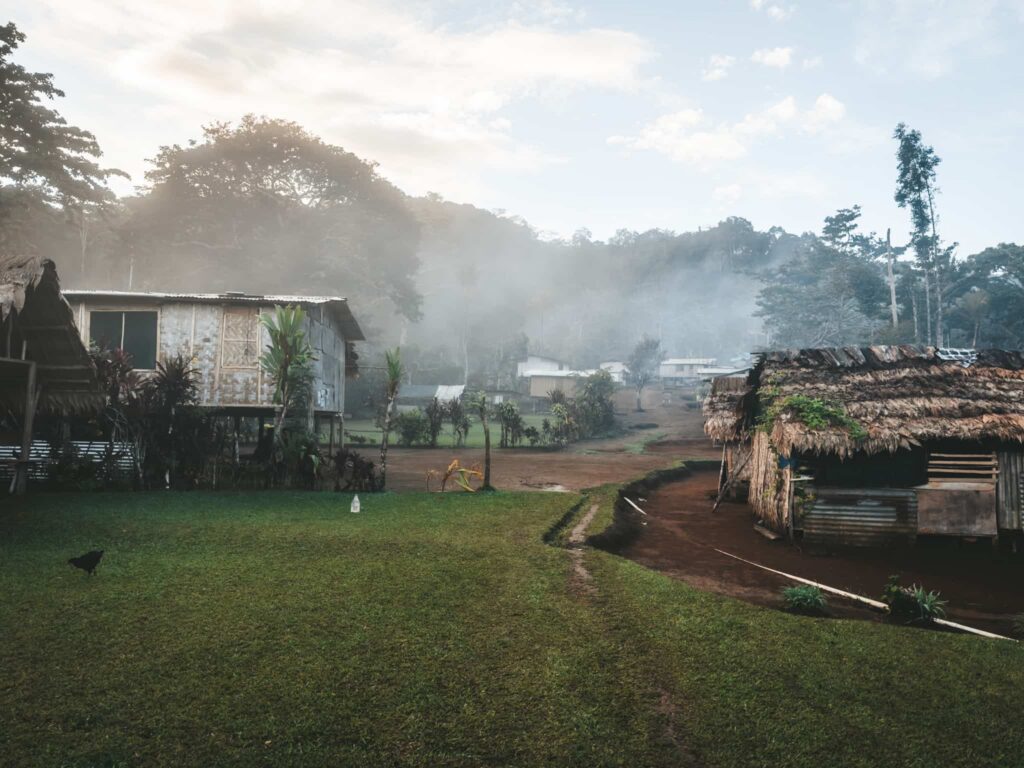
The track passes through remote communities where life remains simple and closely tied to the land. These villages are not tourist displays—they are homes, schools, gardens, and gathering places. As guests in this part of Papua New Guinea, respecting local culture really matters. A warm smile, patience, and a willingness to engage respectfully go a long way.
Ask before taking photographs (especially of women) and remember that small purchases from local sellers directly support families along the route.
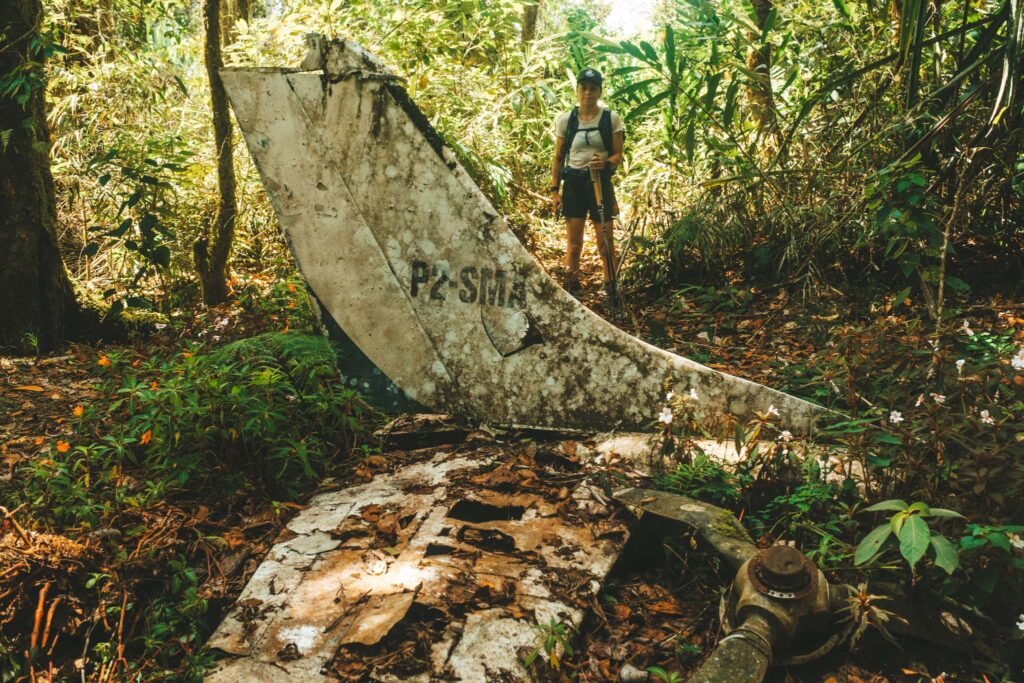
Equally powerful is the World War II legacy woven into the landscape. The Kokoda campaign was one of the most significant battles involving Australian forces in the Pacific. As I said before, reading about the 1942 campaign before you arrive adds real depth to the experience.
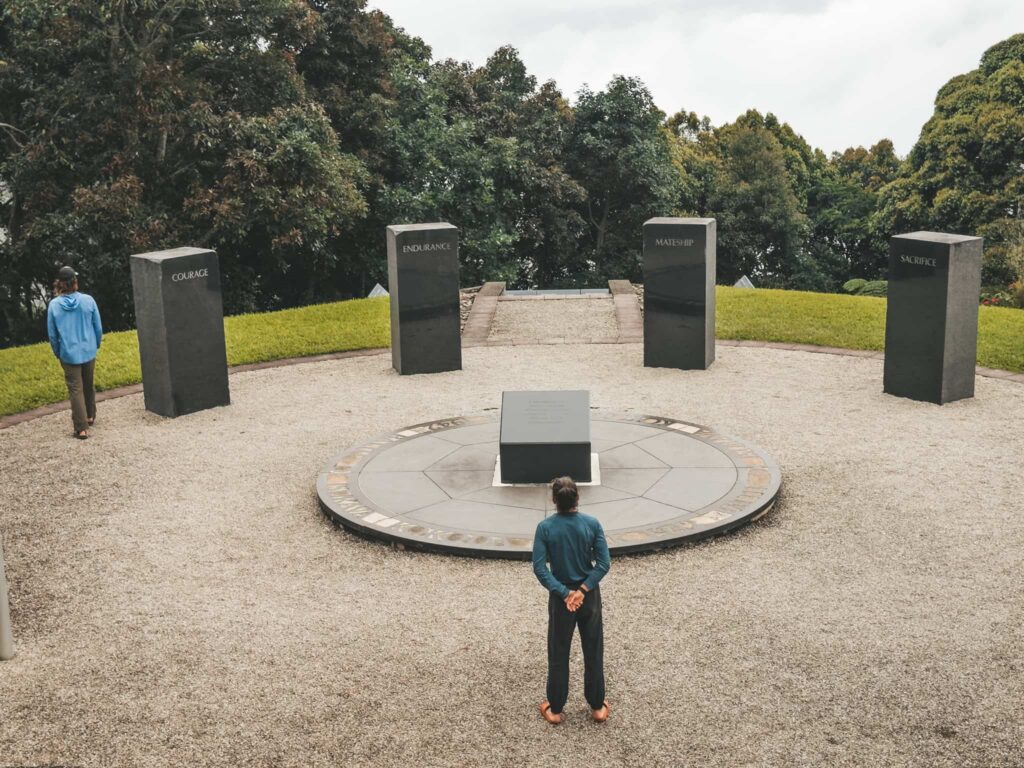
When you stand on Brigade Hill or walk through Isurava, you’re not just passing landmarks—you’re moving through sites where extraordinary endurance, sacrifice, and mateship were tested under brutal conditions.
Understanding this history changes the way you walk. The steep climbs take on new meaning. The mud and rain feel different when you consider what soldiers endured without modern gear or support. Many trekkers find that learning about the campaign beforehand transforms the journey from a physical goal into something far more reflective and personal.
Cultural awareness and historical understanding are part of preparing properly. Approach the track not just as an adventure (though it is one hell of one), but as a shared space—one shaped by local communities and defined by a profound, sometimes dark history.

When to Trek Kokoda
October is one of the best times to trek the Kokoda Track. It falls toward the end of the dry season, meaning less rain, clearer skies, and comfortable trekking conditions.
Expect warm days (around 25–30°C / 77–86°F) and cooler nights in higher elevations. Trails can still be muddy in places — this is the jungle, after all — but overall, October offers some of the most stable weather for Kokoda trekking adventures.
When the Epic team did our research trip here, we did not have a single minute of rain while hiking, and only encountered rainfall once at camp for the night. While we will be trekking in the dry season, rainstorms can come at anytime, so you need to be prepared for all kinds of tropical weather.
A popular time of year for Australians to come to Kokoda is on Anzac Day in April every year. There are special ceremonies and memorial services held on Anzac Day itself.
Unless you are specifically looking for that sort of experience, I strongly advise against doing the Kokoda Trek during the Anzac holidays, since it is the busiest period along the trail all year. Plus, it is also in the middle of the rainy season and sure to be a wet, mud-filled suffer fest.
Vaccinations, Travel Insurance & Medical Prep for Kokoda
Preparing properly for the Kokoda Track means taking your medical planning seriously well before departure. The jungle environment in Papua New Guinea is full of things biologically designed to harm you (though we can’t blame them for evolving that way, can we?).
Vaccinations should be discussed with your doctor or a travel health clinic several weeks (ideally months) before travel.
Requirements and recommendations can change, and your personal medical history will influence what is appropriate. Common travel vaccinations for Papua New Guinea may be advised, but individual guidance is important.
Malaria prevention is another key consideration. The Kokoda region is a malaria-risk area and the last thing you need is to catch malaria along the trek.
Our Epic staff use Malarone (atovaquone/proguanil) as their preferred anti-malarial due to its suitability for short-term travel and generally manageable side-effect profile. That said, there are several anti-malarial options available, and what works well for one person may not be ideal for another. You should consult your doctor to determine which medication is most appropriate for you based on your health history and travel plans.
Beyond prescriptions, think practically about your personal medical kit. This should include blister care, basic first aid items, rehydration salts, personal medications, and any commonly used pain relief. In humid jungle conditions, minor issues can escalate quickly if ignored, so early management is key. Injury prevention is the name of the game, so educate yourself on proper hiking foot care before you arrive.
Travel insurance is not optional—it is mandatory. Every trekker must hold comprehensive rescue insurance as a requirement for the Kokoda permit. Your policy must clearly cover remote evacuation and medical extraction. We strongly recommend Global Rescue due to their specialised field rescue capability and experience in remote environments. Standard travel insurance policies often exclude or limit evacuation from wilderness areas, so it is critical to check the fine print.
Ultimately, strong preparation provides peace of mind and should erase doubts about the question is Papua New Guinea safe from a health perspective.. When vaccinations are sorted, malaria prevention is planned, and rescue insurance is confirmed, you can step onto the track focused on the experience—knowing you’ve taken responsible steps to protect your health and safety.
What Pack Weight Should You Carry on the Kokoda Track?
One of the most common questions we get about the Kokoda Track is how much you should carry each day. The short answer: as little as possible.
We provide porter services for all trekkers, with up to 13 kg (approximately 28.5 pounds) included. This allows you to walk each day with just a light day pack while your main gear is transported between camps. Keeping your carried weight low makes a significant difference on steep climbs, muddy descents, and long humid days in Papua New Guinea.
We recommend using a 25–35 litre day pack. This is more than enough space for your daily essentials without encouraging overpacking. Remember, every extra kilo feels heavier in heat and humidity—especially after several hours of climbing.
Your day pack should typically include:
Rain jacket
Sunscreen
Insect repellent
Snacks
2–3 litres of water (depending on conditions and water source availability for that day)
Small personal items such as medications or blister care
That’s it. Keep it simple and practical.
If you’re bringing camera equipment, think carefully about your setup. Large lenses, multiple bodies, and especially tripods add weight quickly. Ask yourself what you’ll realistically use while moving on steep terrain. In most cases, a streamlined kit is far more enjoyable—and you’ll probably want to leave that tripod at home.
The golden rule on Kokoda: lighter is better. A well-packed, minimal day pack means more energy for the climbs, better balance on descents, and a far more enjoyable overall experience. The most important weight to prioritize are snacks and water!

Electricity and Internet Along the Kokoda Trek
If you’re used to staying connected while traveling, the Kokoda Track will be a serious digital detox. Embrace it! In these times of constant stimulation, we as a species truly need periods throughout the year where we connect with ourselves in a natural environment. If I am being honest, we here at Epic truly love these kinds of trips for this vary reason.
There are no powerlines, no permanent electricity infrastructure, and no WiFi in any of the villages along the trail. Most communities operate entirely off-grid. Occasionally, a village may have a small generator or solar panel for limited local use, but trekkers should not expect reliable access to charging points. You should assume you will not be able to charge devices for 8–10 days.
Internet access is nonexistent for the entire trek. There is no WiFi anywhere along the route. Mobile phone reception is extremely limited — typically there are only 2–3 high ridge points where you may briefly pick up a weak cell signal. The moment you descend back into the jungle valleys, the signal disappears completely.
In practical terms: come prepared to be offline.
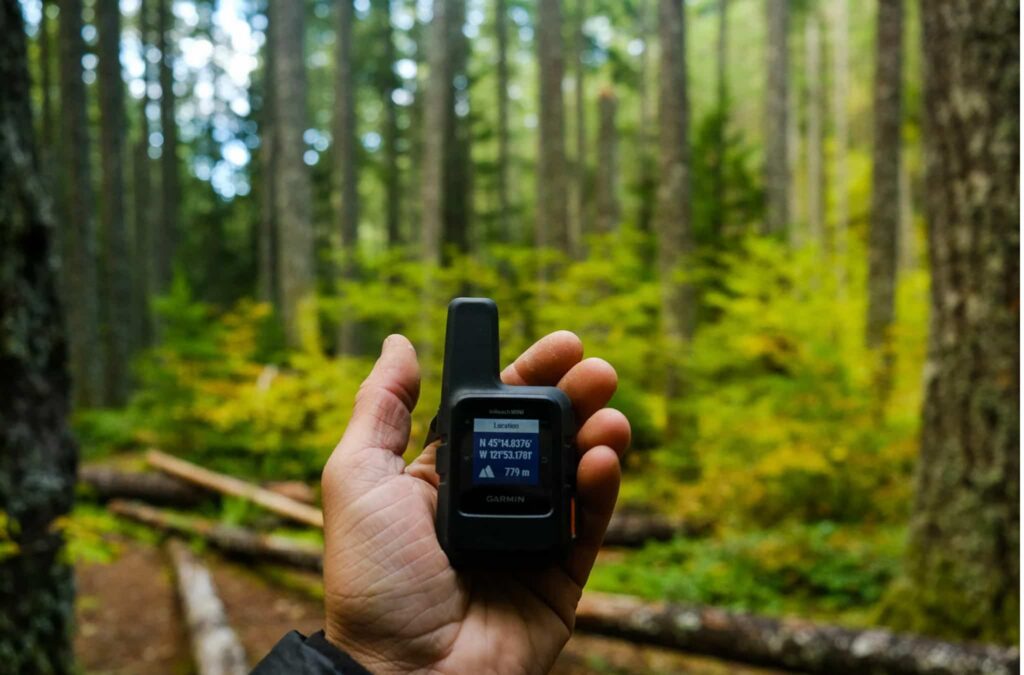
Bring a high-capacity power bank (or two), keep devices in airplane mode, and conserve battery wherever possible. If staying reachable is important — whether for family updates or emergency contact — consider carrying a satellite communication device such as the Garmin inReach Mini. These allow you to send messages and trigger SOS alerts even without cellular coverage.
What Makes the Kokoda Track Different From Other Famous Treks?
When comparing Kokoda vs Everest Base Camp or analysing Kokoda vs Kilimanjaro difficulty, the biggest difference isn’t just terrain — it’s the overall experience.
Treks like Everest Base Camp benefit from a well-established lodge network, with teahouses serving hot meals, snacks, and supplies along the way. On Mount Kilimanjaro, organised camps and structured support systems are standard. The Kokoda Track, running through the rugged Owen Stanley Range, is far more stripped back and barebones.
There are no teahouses and almost no shops along the Kokoda Track. You can’t rely on buying extra snacks, replacing forgotten gear, or ordering apple pie and espresso when you arrive in a village. Everything you need must be carefully planned in advance and carried or supported by your team. That level of self-sufficiency is a major reason it’s considered one of the hardest multi-day hikes in the world.
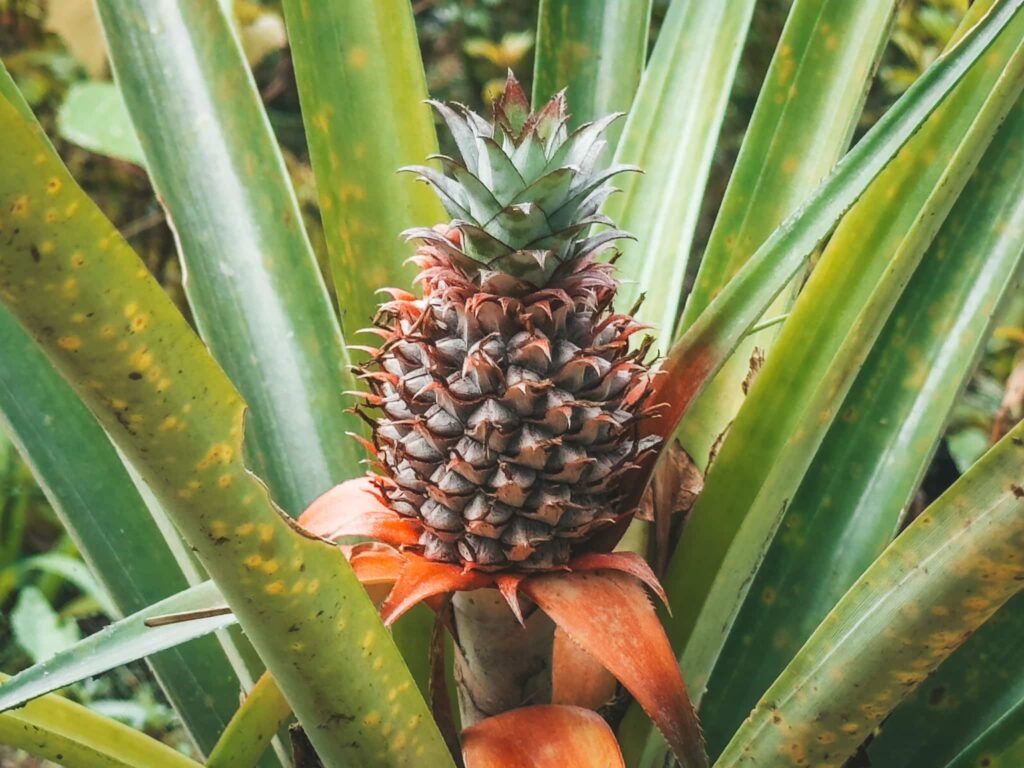
Comparing the Kokoda Track to the Everest Base Camp Trek is an apples-and-oranges question, really. Or should I say when speaking about these two treks, a pineapple and momos question? They are inherently different, and they need to be approached and prepared for in vastly different ways.
Kokoda Track Preperation Checklist
I have thrown a lot at you in this Kokoda preparation guide, so here’s a practical summary of the key preparation points to make sure you’re ready for 8–10 demanding days in Papua New Guinea’s Owen Stanley Range.
Physical Preparation
Complete a structured 8–12 week training plan
Focus on hill climbing, stair sessions, and pack-weight training
Build endurance for long, consecutive trekking days
Strengthen legs, core, and stabilizing muscles
Gear & Packing
Well broken-in hiking boots (no brand-new footwear)
Lightweight, moisture-wicking clothing
The Grayl filter bottle is your lifeline
Trekking poles for steep ascents and descents
Blister kit and basic first aid supplies
High-capacity power bank (expect no electricity)
Health & Safety
Consult a travel doctor about recommended vaccinations
Organize comprehensive travel insurance covering evacuation
Bring electrolytes and hydration tablets
Prepare for heat, humidity, mud, and river crossings
Mental Preparation
Expect relentless climbs and descents
Prepare for limited comfort and basic facilities
Embrace being offline for the duration of the trek
Connectivity
No WiFi and almost no cell service
Consider a satellite communicator for emergencies
History Knowledge
Read up on the Kokoda Campaign
Listen to Dan Carlin’s fantastic multipart podcast titled Super Nova in the East, specifically, episode 5.
- The more you know before you arrive, the better!
Kokoda Track Preparation: Start Getting Ready!
Whether you are already booked onto to a Kokoda Track Expedition with Epic, or you are doing your own research for a possible future trip, I hope you found this guide useful.
The first time I went to Kokoda I was simply blown away by the whole experience. For me, it ticks all the boxes in terms of a rewarding, challenging adventure.
In addition to the actual trekking route, the history really ties it all together for me, and I have been hard-pressed to find another trip out there quite like it.
If you are looking for a once in a life time trip, THIS IS IT. If you follow the preparation advice outlined in this guide, you will be well on your way to having an awesome, safe trek, and a powerful journey that will be hard to top in the future.
Keep training and see some of you in the Papuan jungle soon!